
A confident smile opens doors — socially, professionally, and personally. When teeth show signs of staining, wear, chips, or minor misalignment, many people find that even small corrections make a dramatic difference in how they look and feel. Veneers are a refined, conservative way to improve the appearance of front teeth while preserving as much natural structure as possible.
At Vernon Woods Dental & Implant Center in Sandy Springs, GA, we focus on treatments that balance aesthetics with long-term oral health. Veneers are designed to blend seamlessly with your natural teeth, creating a durable and lifelike result that suits your face, bite, and lifestyle.
Porcelain veneers are thin shells bonded to the front surfaces of teeth to change color, shape, size, or length. They are particularly effective for masking deep discoloration that does not respond well to whitening, repairing minor chips, closing small gaps, and evening out slightly irregular teeth. Unlike crowns, veneers aim to conserve tooth structure while delivering a cosmetic upgrade.
Veneers are versatile: a single veneer can address an isolated cosmetic concern, while a series of veneers can create a uniform smile makeover. They are not a substitute for major restorative work when a tooth is extensively damaged or weakened; in those cases, crowns, implants, or other restorative options may be more appropriate to ensure strength and longevity.
Choosing veneers also means considering your bite and habits. Heavy grinding, certain bite misalignments, or insufficient enamel can affect candidacy. During an evaluation, these functional issues are reviewed so any underlying problems are managed before veneers are placed, ensuring the new smile performs as well as it looks.
Advances in dental ceramics allow veneers to reproduce the subtle optical properties of natural enamel. High-quality porcelain reflects and transmits light in ways similar to tooth structure, producing depth, translucency, and lifelike color variations rather than a flat, artificial appearance. Skilled shade selection and customization are key to achieving a natural integration with adjacent teeth.
Veneers are meticulously crafted to match contours and surface texture so they catch light in a pleasing, natural way. Whether fabricated by a trusted dental laboratory or using in-office CAD/CAM systems, each veneer is tailored to fit your smile’s unique anatomy and the aesthetic goals discussed during planning.
Because they are bonded directly to the tooth, modern veneers also contribute to a seamless interface at the gumline when placed with precision. Properly designed margins and gentle preparation techniques help protect the gum tissue and preserve the tooth’s boundaries for a visually indistinguishable finish.
A successful veneer outcome starts with a comprehensive assessment. We evaluate dental health, checking for decay, gum disease, existing restorations, and the condition of the enamel. Good overall oral health is essential; active periodontal issues or untreated cavities are addressed first so the foundation for cosmetic work is stable and predictable.
Some patients benefit from minor orthodontic treatment or enamel reshaping before veneers are placed. In other situations, conservative tooth preparation is minimal or even avoided, depending on the veneer system chosen. Your dentist will discuss which approach conserves structure while achieving the desired aesthetic changes.
Open communication about expectations is critical. We use photographs, digital mockups, and shade trials to preview results and make adjustments during planning. That collaborative process helps ensure that the final restorations reflect your aesthetic preferences and integrate comfortably with your facial features and bite.
The veneer process typically begins with an in-depth consultation: your dentist reviews goals, examines oral health, and gathers diagnostic records such as photos, X-rays, and impressions or digital scans. From that information, a treatment plan and a proposed design are developed to guide the lab or milling process.
When minimal tooth preparation is needed, a thin layer of enamel is removed to create space for the veneer and to ensure a seamless edge. Modern adhesive techniques and cement systems create a strong, durable bond between the porcelain and the tooth. Temporary coverings may be used while custom veneers are fabricated so you can preview shape and function during the interim.
At placement, veneers are carefully tried in for fit, color, and contour. Small adjustments are made if necessary before the teeth are cleaned and etched, and the veneers are bonded using a light-cured resin. After final polishing and bite checks, we confirm comfort and aesthetics, and schedule follow-ups to monitor the integration and health of the restorations.
Veneers are designed for long-term service, but sensible care extends their lifespan and preserves the surrounding tissues. Daily brushing with a non-abrasive toothpaste, regular flossing, and routine dental exams help prevent decay along the veneers’ margins and keep gums healthy. Professional cleanings and periodic checkups ensure that any concerns are detected early.
Avoid using teeth as tools and be cautious with hard foods that can fracture porcelain. For patients who grind or clench, a custom nightguard can protect veneers from excessive forces and reduce the risk of chipping. If a veneer is damaged, it can often be repaired or replaced without extensive intervention.
Open communication with your dental team keeps care straightforward: if you notice sensitivity, changes in fit, or cosmetic concerns, contact the practice so we can assess and address the issue promptly. With routine maintenance and sensible habits, veneers can provide many years of reliable and attractive function.
Veneers offer a refined way to enhance a front smile while preserving tooth structure and prioritizing long-term health. If you’re considering cosmetic improvement, the team at Vernon Woods Dental & Implant Center can evaluate your needs, explain options, and design a treatment plan that reflects your goals. Contact us to learn more and to schedule a consultation with our providers.


Porcelain veneers are thin shells of ceramic that are bonded to the front surfaces of teeth to improve color, shape, length, or symmetry. They reproduce the light-reflecting properties of natural enamel, which helps them appear lifelike and blend with adjacent teeth. Bonding occurs using advanced adhesive systems that create a durable interface between the porcelain and the prepared tooth.
Veneers typically require precise laboratory or CAD/CAM fabrication so the contours and margins match the smile architecture. When placed with careful attention to fit and occlusion, veneers restore a seamless transition at the gumline and resist staining better than many direct restorative materials. Proper case selection and technique are essential to achieve long-term, natural-looking results.
Good candidates are patients with healthy teeth and gums who want to address cosmetic issues such as deep discoloration, minor chipping, small gaps, or subtle misalignment. A comprehensive dental exam is performed to check for decay, periodontal disease, and adequate enamel because these conditions must be stabilized before cosmetic work begins. Patients with heavy bruxism, significant bite problems, or very thin enamel may require alternative or adjunctive treatments before veneers are considered.
Age alone is not a limiting factor, but realistic expectations and oral health priorities guide candidacy. Diagnostic records and mockups help determine whether veneers alone will meet aesthetic goals or if orthodontic or restorative work is needed first. The clinical evaluation ensures veneers are chosen when they offer a conservative, predictable improvement.
Porcelain veneers are fabricated from ceramic materials that mimic enamel and resist staining, while composite veneers are built directly on the tooth with resin that can be sculpted in a single visit. Porcelain generally provides superior translucency, strength, and long-term color stability because it is kiln-fired and glazed by a technician. Composite is more repairable in the office and may be appropriate for minor corrections or when minimal prep is desired.
The choice depends on aesthetic expectations, tooth condition, and the desired longevity of the restoration. Porcelain tends to offer a more natural optical result and greater wear resistance, whereas composite allows conservative, economical repairability and simpler adjustments. Your dentist will review the benefits and limitations of each option to recommend the most suitable material for your case.
Preparation ranges from minimal enamel shaping to modest reduction of the tooth surface to create space for the veneer and produce natural margins. The process usually begins with a consultation, diagnostic records, and a treatment plan that may include digital mockups or temporary restorations to preview the outcome. When reduction is required, it is conservative compared with crowns, and local anesthesia can be used to ensure patient comfort during the procedure.
After preparation, impressions or digital scans are taken and temporary veneers may be placed while the final restorations are fabricated. At the placement visit, the teeth are carefully cleaned and etched, and the veneers are bonded with a light-cured resin that is adjusted for fit and occlusion. A follow-up visit allows the dental team to evaluate integration, make minor refinements, and confirm patient comfort and function.
Veneers are effective for masking deep intrinsic stains, closing small diastemas, repairing minor chips, and evening out size or shape discrepancies in the visible front teeth. They provide a cosmetic solution when whitening and direct bonding cannot achieve the desired uniformity or when a more durable aesthetic is preferred. Multiple veneers can be used together to create a cohesive smile makeover where harmony and balance are essential.
Veneers are not a substitute for major restorative work needed to restore severely decayed, fractured, or structurally compromised teeth. They also cannot replace missing teeth or fully correct significant bite misalignments, which may require implants, crowns, or orthodontic therapy. Functional concerns are evaluated first so that cosmetics are pursued on a stable, healthy foundation.
The pathway begins with an in-depth consultation and oral health evaluation that includes photographs, X-rays, and impressions or digital scans to document tooth positions and occlusion. From these records, a treatment plan and aesthetic design are developed, often including mockups or temporaries so patients can visualize proposed changes. Lab fabrication or chairside milling follows, with attention to shade, morphology, and marginal fit based on the agreed design.
On the day of placement the teeth are prepared as planned, the veneers tried in for fit and color, and small adjustments made before bonding. Careful isolation, etching, and adhesive protocols ensure a strong bond, followed by finishing and polishing to integrate the restorations with surrounding tissue. Post-placement visits monitor adaptation, check occlusion, and confirm that the veneers meet functional and aesthetic expectations at follow-up.
Daily oral hygiene is essential: brush twice with a nonabrasive toothpaste and floss or use interdental cleaners to keep gum tissue healthy and prevent decay at restoration margins. Regular professional cleanings and dental exams allow the team to detect early signs of wear, marginal staining, or periodontal changes and address them promptly. Avoiding habits such as using teeth to open objects or biting hard non-food items reduces the risk of chipping.
Patients who grind or clench should discuss a custom nightguard to protect veneers from excessive forces that can shorten their lifespan. Minor chips or edge defects can often be repaired conservatively, but prompt evaluation prevents small problems from becoming larger issues. Open communication with your dentist about changes in fit, sensitivity, or appearance helps maintain optimal function and esthetics.
Common risks include transient sensitivity after preparation, the possibility of chipping or fracture under excessive force, and marginal staining or recurrent decay if oral hygiene is inadequate. Poorly matched margins or inadequate bonding technique can also lead to debonding or compromised esthetics, which is why precise preparation and adhesive protocols are important. Rarely, veneers may require replacement over time due to wear or changes in surrounding teeth and gums.
Many complications are manageable when identified early; small chips can often be repaired, and a debonded veneer can usually be rebonded if the restoration is intact. Addressing underlying issues such as bruxism, bite discrepancies, or periodontal disease before treatment reduces long-term risk. Regular follow-up care allows the dental team to monitor the restorations and intervene promptly if concerns arise.
Shade and shape selection is a collaborative process that combines clinical expertise with patient preferences and facial analysis to achieve a harmonious result. Dentists use standardized shade guides, photographs under controlled lighting, and sometimes digital simulations or trial restorations to preview the final look. The goal is to match translucency, surface texture, and subtle color gradations so veneers integrate seamlessly with adjacent teeth.
Contour and proportion are planned with consideration for lip dynamics, smile line, and overall facial symmetry so the restorations enhance rather than overpower your natural features. Skilled laboratory communication or precise in-office milling transfers these design choices into the final ceramic restorations. Patients are encouraged to participate in the design process so outcomes reflect their aesthetic goals while remaining balanced and natural.
Veneers are a conservative cosmetic option that preserves more natural tooth structure than full-coverage crowns while offering superior esthetics compared with simple direct bonding in many cases. Crowns are indicated when a tooth is extensively damaged or structurally weakened because they envelop the entire tooth for strength and protection. Direct composite bonding can be an excellent, minimally invasive choice for small corrections but may lack the long-term color stability and wear resistance of porcelain.
Choosing between veneers, crowns, and bonding depends on the extent of tooth damage, functional demands, and aesthetic goals determined during a clinical evaluation. The dentist will recommend the option that best balances preservation of tooth structure with predictable function and desired appearance. When appropriate, a combination of therapies can be used to achieve a durable, harmonious smile under the care of the dental team at Vernon Woods Dental & Implant Center.
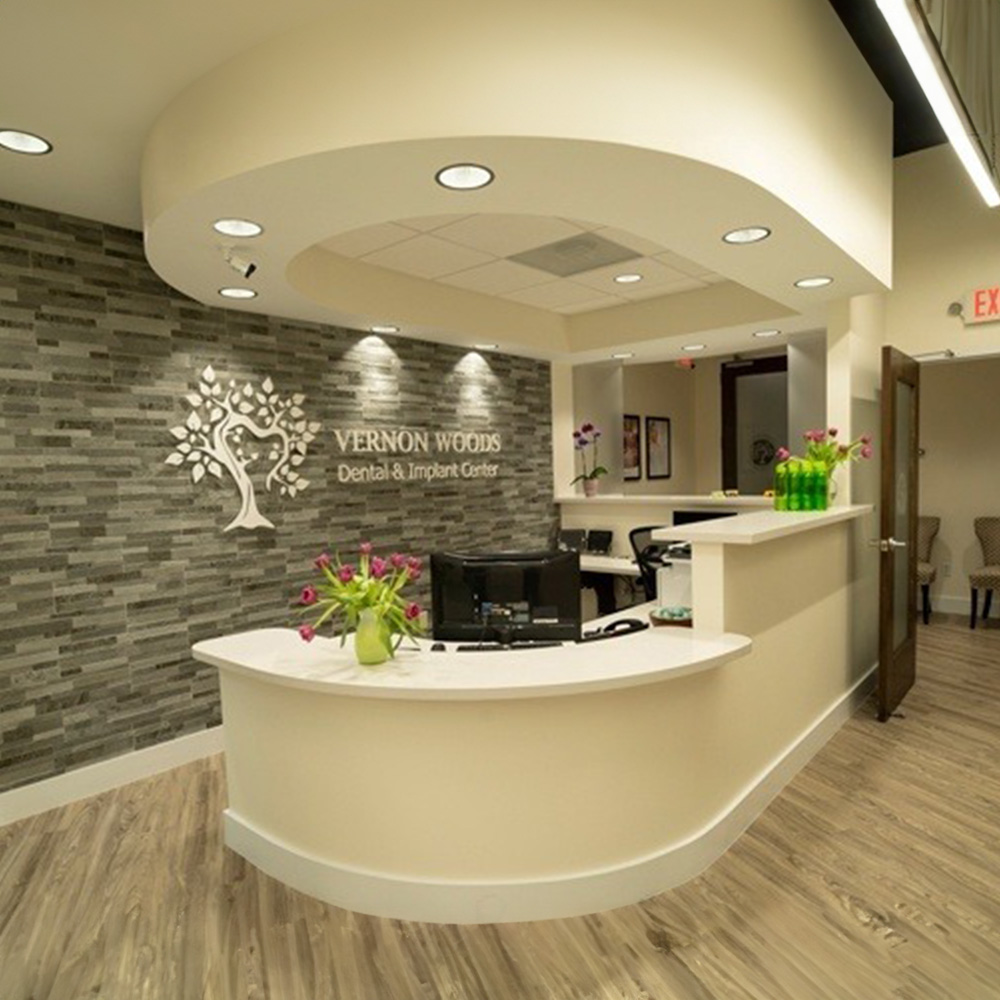
Ready to schedule your first visit and to join the Vernon Woods Dental & Implant Center family?
Scheduling your visit or getting answers to your questions is simple. The helpful team at Vernon Woods Dental & Implant Center is here to assist you! We can easily help you book appointments, explain treatment details, and address any concerns you have. Connect with us however you prefer—by phone or our quick online form. Don't delay your smile goals; contact us today and experience the comfort and confidence that personalized dental care provides.

Back to top
