

A brighter smile can change the way you feel about yourself — and how others perceive you. Professional teeth whitening is one of the fastest, least invasive ways to refresh your appearance, often delivering noticeable results in a single visit or through a short at-home regimen. When done under clinical supervision, whitening treatments are safe, predictable, and tailored to each patient's needs.
At Vernon Woods Dental & Implant Center, we take a measured approach to cosmetic whitening: combining evidence-based protocols with individualized planning so patients achieve a natural-looking outcome. Whether discoloration is the result of diet, aging, or previous treatments, there are reliable methods available that can significantly restore luminosity to your smile.
Below you’ll find a clear, practical guide to how whitening works, which approaches are appropriate in different situations, what we evaluate before treatment, and how to get the most lasting results after your procedure. The aim is to help you make an informed decision about whether whitening is the right step for your smile.
Store-bought whitening products can provide some improvement, but they operate at a lower concentration and are applied without clinical oversight. Professional systems—whether used in our office or delivered in custom take-home trays—employ stronger, regulated bleaching agents and protocols that prioritize both effectiveness and tissue safety. That balance matters when you want consistent, noticeable lightening without unnecessary sensitivity or soft-tissue irritation.
In the dental setting, clinicians can assess the underlying causes of discoloration and select an appropriate product and concentration. That evaluation reduces the risk of unwanted outcomes, such as uneven results, damage to restorative work, or exacerbation of existing sensitivity. It also means the whitening process can be combined with other cosmetic or restorative plans when needed.
Finally, professional whitening is monitored. If a patient experiences sensitivity, gum irritation, or atypical responses, the clinician can modify treatment immediately. This supervisory element is a key benefit of receiving whitening care in a dental office rather than relying only on unsupervised over-the-counter solutions.
Most whitening systems work through oxidation: peroxide-based agents penetrate the tooth enamel and break down the chromogens — the molecules that cause stains — into smaller, less colored particles. Common active ingredients include hydrogen peroxide and carbamide peroxide; the latter breaks down into hydrogen peroxide when applied, producing a similar bleaching effect over a longer period.
The effectiveness of the reaction depends on several factors, including the concentration of the active ingredient, contact time with the tooth surface, and the nature of the stain. Surface or extrinsic stains from coffee, tea, or tobacco respond more readily, while intrinsic discoloration — from certain medications, trauma, or longstanding internal staining — may be more resistant and require extended or alternative approaches.
Because enamel translucency and the underlying dentin color influence perceived whiteness, the goal is often to achieve a balanced, natural shade rather than an unnaturally "paper-white" appearance. A measured, stepwise approach prevents over-bleaching and yields a result that looks healthy and harmonious with facial features.
There are two principal professional pathways: in-office whitening and dentist-prescribed take-home kits. In-office treatments use higher concentrations of peroxide under controlled conditions to deliver rapid lightening in one or a few visits. Take-home systems rely on custom-made trays and professional-grade gels that patients wear for scheduled periods, producing gradual improvement with predictable maintenance options.
Selection depends on lifestyle, sensitivity history, and aesthetic goals. Patients seeking immediate, dramatic improvement may prefer an in-office visit. Those who want gentler, controlled whitening that fits into a daily routine often favor custom take-home trays. In some cases, a combined approach—an initial in-office boost followed by take-home maintenance—offers the best balance of speed and longevity.
It’s important to remember that existing restorations—crowns, veneers, or composite fillings—do not change color with bleaching. If restorations are present in the visible smile, we discuss sequencing: whitening natural teeth first, then matching any required restorative work to the new shade for a cohesive result.
Before any whitening begins, a clinician performs a focused examination to confirm that your oral health supports cosmetic bleaching. This includes checking for cavities, gum inflammation, exposed root surfaces, cracked teeth, and the condition of existing restorations. Addressing these issues beforehand reduces the risk of complications and improves the predictability of outcomes.
We also evaluate sensitivity history and discuss expectations. Patients with significant enamel wear, active periodontal disease, or untreated decay may be directed to alternative cosmetic strategies until their oral health is optimized. Where sensitivity is a concern, lower-concentration protocols, desensitizing agents, or staged treatments can be used to improve comfort.
Once the exam is complete, your clinician will outline an individualized plan: the method recommended, estimated number of sessions (if in-office), or wear schedule for take-home trays. Documentation of the initial shade helps track progress and provides a reference for any future touch-ups.
Post-whitening care focuses on protecting the freshly bleached enamel and minimizing re-staining. For the first 48 hours after treatment, tooth surfaces may be more receptive to pigments, so avoiding deeply colored foods and beverages—such as coffee, red wine, dark berries, and heavily pigmented sauces—helps protect the result. Smoking or chewing tobacco should also be avoided, as these substances rapidly diminish whitening gains.
Long-term maintenance includes diligent oral hygiene: twice-daily brushing with fluoride toothpaste, daily flossing, and regular professional cleanings. Patients commonly use periodic touch-up applications with professionally supplied gels or brief at-home sessions in custom trays to sustain the desired shade over months or years, depending on individual habits.
If you have restorations in the aesthetic zone, periodic review ensures that crowns and fillings continue to match the surrounding enamel. When restorations require replacement for aesthetic reasons, coordinating that work after whitening ensures the best color match and a cohesive final appearance.
Teeth whitening can be a straightforward, effective way to refresh your smile when performed with clinical guidance. If you’re considering whitening or want to learn which approach best suits your needs, contact Vernon Woods Dental & Implant Center for more information and to schedule a consultation. We’ll help you understand the options and create a plan that delivers safe, predictable results.


Professional teeth whitening uses regulated peroxide-based agents and clinical protocols to lighten tooth color more predictably than many over-the-counter options. At Vernon Woods Dental & Implant Center, treatments are selected and monitored by a clinician who evaluates both the type of staining and the health of the teeth and gums before treatment begins. This clinical oversight helps reduce risks such as uneven results or soft-tissue irritation that can occur with unsupervised products.
Store-bought products typically contain lower concentrations of active ingredients and are applied without a dental examination, which can limit effectiveness and increase the chance of sensitivity or gum contact. In contrast, professional approaches include in-office systems for faster results and custom take-home trays for controlled, gradual whitening. Both pathways prioritize safety and a natural-looking outcome when used under dental supervision.
In-office whitening delivers higher-concentration peroxide under controlled conditions to achieve noticeable lightening in a short time, often within a single appointment or a few visits. This option is well suited for patients who want faster results or who benefit from clinician-applied protocols that can be adjusted in real time for comfort and effectiveness. Office treatments may be combined with protective measures to minimize sensitivity during the procedure.
Take-home kits provided by a dentist use custom-fitted trays and professional-grade gels that patients wear for scheduled periods, producing gradual whitening with predictable maintenance. These systems are convenient for people who prefer to space treatment into daily routines and give clinicians the ability to prescribe an appropriate concentration based on sensitivity history. Many patients achieve excellent, long-lasting results by following a professionally recommended wear schedule and periodic touch-ups.
Whitening agents work through an oxidation process where peroxide-based chemicals penetrate enamel and break down chromogens, the pigmented molecules that cause stains. Hydrogen peroxide acts quickly, while carbamide peroxide breaks down into hydrogen peroxide and produces a similar bleaching effect over a longer period, so product choice affects both speed and duration of contact. The overall effectiveness depends on ingredient concentration, contact time, and the nature of the stain.
Surface stains from foods, drinks, or tobacco are typically more responsive because they are located on or near the enamel surface, whereas intrinsic stains from trauma, medications, or developmental issues are often deeper and may require longer or alternative treatments. Because enamel translucency and dentin color influence perceived whiteness, clinicians aim for a balanced, natural shade rather than an unnaturally bright tone. A measured approach helps avoid over-bleaching and preserves a healthy appearance.
Candidacy for whitening depends on oral health, the type and cause of discoloration, and realistic aesthetic goals; a dental examination is required to determine the best path. Patients with active decay, significant gum disease, exposed root surfaces, or certain types of restorations may need treatment or alternative cosmetic strategies before bleaching is recommended. Those with mostly extrinsic staining from coffee, tea, or tobacco generally respond well to professional whitening when their mouths are healthy.
Sensitivity history and enamel condition are also important factors in planning treatment, and clinicians may recommend lower-concentration protocols, desensitizing products, or staged approaches for those prone to discomfort. If intrinsic stains are present, the dentist will discuss whether extended whitening, combination therapies, or restorative options such as veneers might provide a more predictable result. The goal of evaluation is to match the method to the patient’s individual needs and expectations.
Bleaching agents do not change the color of most dental restorations, including porcelain crowns, composite fillings, and veneers. Because restorations remain the same shade while natural enamel lightens, sequencing is important: dentists typically whiten natural teeth first and then replace or adjust restorations to match the new shade when necessary. This approach helps ensure a cohesive, aesthetic result across the visible smile.
During the consultation, the clinician will document the initial shade and review existing restorative work in the aesthetic zone to plan any needed adjustments after whitening. If a restoration is discolored or mismatched, the dentist can recommend the appropriate timing and materials to achieve harmony with the whitened teeth. Maintaining regular checkups allows the dentist to monitor restorations and address any color discrepancies over time.
An in-office whitening visit typically begins with an oral exam and a discussion of goals, followed by protection of the gums and soft tissues using barriers or isolation techniques. The clinician then applies the whitening gel according to a controlled protocol and may use cooling, breaks, or neutralizing agents to manage sensitivity. Treatment time varies by system, but most appointments are completed within an hour to a few hours depending on the approach used.
After the procedure, the dentist will evaluate the result, document the post-treatment shade, and provide personalized aftercare instructions to protect the newly bleached enamel. Patients are advised about short-term precautions and given guidance on sensitivity management if needed. If a take-home regimen is part of the plan, the patient will receive instructions for safe and effective use of the trays and gel.
When performed under clinical supervision, professional whitening is considered safe for most healthy adults because protocols are designed to protect soft tissues and minimize adverse effects. Sensitivity is a common, usually temporary side effect that occurs when peroxide transiently increases tooth permeability; clinicians manage this risk by adjusting concentration, contact time, or by using desensitizing agents before and after treatment. Patients with a history of pronounced sensitivity can often be accommodated with staged or lower-strength approaches.
At Vernon Woods Dental & Implant Center, the treatment plan begins with a careful examination to identify factors that might increase sensitivity or risk, such as enamel wear or exposed roots, and to recommend appropriate mitigations. If unexpected irritation or sensitivity occurs during treatment, the clinician can modify or pause the regimen and provide supportive care. Ongoing monitoring and tailored protocols help maintain comfort while achieving safe, effective whitening.
Longevity of whitening results varies with diet, oral hygiene, and lifestyle habits; many patients enjoy noticeable improvements for months to years with proper care and occasional touch-ups. Limiting frequent consumption of staining foods and beverages, avoiding tobacco, and practicing diligent oral hygiene all contribute to longer-lasting results. Periodic professional cleanings also help remove surface deposits that can diminish brightness over time.
For maintenance, dentists commonly recommend brief at-home touch-ups using professionally supplied gels and custom trays or occasional in-office refresh treatments, depending on the patient’s needs. Keeping a record of the achieved shade and following the clinician’s schedule for touch-ups supports predictable outcomes. Regular dental visits allow the clinician to assess color stability and coordinate restorative updates when necessary.
Intrinsic stains—those within the tooth structure—can be more resistant to conventional whitening and may require longer or alternative approaches to improve appearance. Some cases respond to extended peroxide exposure under professional supervision, while others may show limited change; medications such as tetracycline or trauma-induced internal discoloration often fall into the more challenging category. The dentist will assess the likely cause and set realistic expectations about the degree of improvement achievable with bleaching alone.
If whitening alone is unlikely to produce the desired result, the clinician can discuss adjunctive or restorative options such as internal bleaching for a non-vital tooth, veneers, or crowns to mask deep discoloration. A tailored treatment plan considers durability, aesthetics, and tooth structure preservation to recommend the most appropriate combination of therapies. In all cases, informed consent and documented expectations help ensure patient satisfaction with the chosen approach.
Preparation typically begins with a focused dental exam to confirm that the mouth is free of active disease and that restorations are in good condition, because untreated issues can increase risk during bleaching. The clinician may recommend completing necessary restorative or periodontal treatment before whitening to ensure a stable and healthy foundation for cosmetic care. Discussing sensitivity history and aesthetic goals during the consultation allows the dentist to tailor the protocol appropriately.
Aftercare emphasizes protecting the newly bleached enamel during the initial 24 to 48 hours by avoiding strongly pigmented foods and beverages and refraining from tobacco use. Maintaining excellent oral hygiene, scheduling regular professional cleanings, and following any prescribed touch-up regimen will extend the benefits of whitening. If restorations are present in the aesthetic zone, plan to have them reviewed or adapted after whitening to maintain a natural, consistent smile.
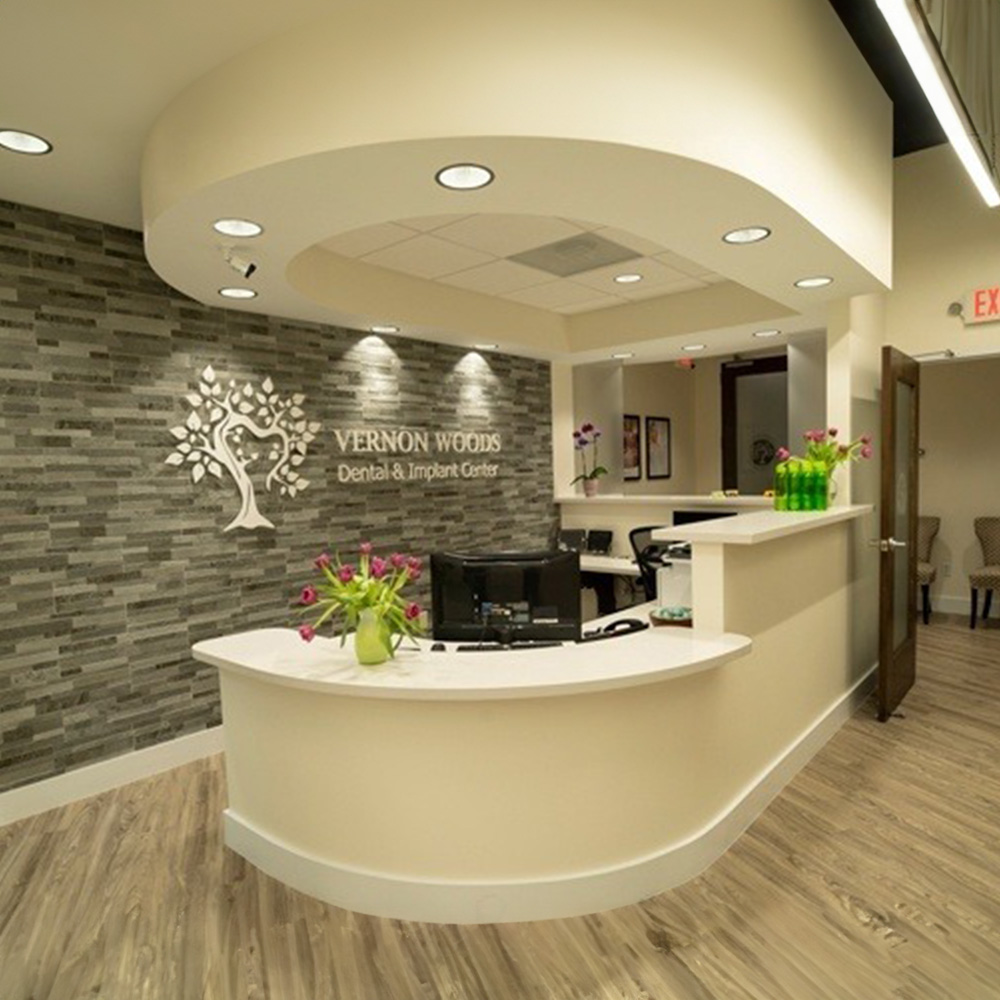
Ready to schedule your first visit and to join the Vernon Woods Dental & Implant Center family?
Scheduling your visit or getting answers to your questions is simple. The helpful team at Vernon Woods Dental & Implant Center is here to assist you! We can easily help you book appointments, explain treatment details, and address any concerns you have. Connect with us however you prefer—by phone or our quick online form. Don't delay your smile goals; contact us today and experience the comfort and confidence that personalized dental care provides.


Back to top