

Teeth-In-A-Day® offers a modern alternative for patients who need to replace multiple missing teeth or transition away from unstable dentures. Rather than spacing treatment over many months, this approach focuses on delivering a stable, provisional prosthesis on the same day implants are placed. The immediate result is both functional and aesthetic—patients leave with a full arch that restores the ability to speak and eat more comfortably while significantly improving appearance.
This method is designed for efficiency without sacrificing quality. Careful preoperative planning and contemporary implant techniques allow clinicians to coordinate implant placement and prosthesis delivery in one coordinated visit. For many people, that combination of speed and predictability is what makes Teeth-In-A-Day® an appealing option when full-arch restoration is the goal.
While the name emphasizes speed, the objective remains long-term success. The same principles that guide traditional implant therapy—bone preservation, precise positioning, and prosthetic integrity—are applied here so the immediate rehabilitation becomes the start of a durable, well-supported restoration.
At the heart of successful same-day restoration is advanced digital planning. Cone-beam CT scans, digital impressions, and implant-planning software work together to create a three-dimensional roadmap of a patient’s jaws. This data lets the dental team evaluate bone volume, locate critical anatomical structures, and determine optimal implant angles before any surgical step begins.
From that virtual plan, the clinician can fabricate a surgical guide that precisely directs implant placement during the procedure. Guided surgery reduces the need for large incisions and extensive tissue reflection, which helps make the operation more controlled and conservative. It also enables the team to prefabricate or rapidly fabricate a provisional prosthesis that will be attached the same day.
Digital workflows also improve communication between surgical and prosthetic teams. By reviewing scans and models together, clinicians can ensure the new arch aligns with facial proportions, bite relationships, and aesthetic goals—so the immediate prosthesis not only functions but looks natural and balanced.
This emphasis on planning reduces surprises during surgery, streamlines the appointment timeline, and increases the likelihood that the provisional appliance will fit comfortably and perform reliably right away.
An efficient same-day protocol follows a clear sequence that begins long before the appointment. On the day of surgery, patients are typically welcomed by a team prepared to execute the prearranged plan. After appropriate anesthesia and comfort measures are in place, implants are placed through the surgical guide with minimal tissue manipulation, following the predetermined positions from the digital plan.
Once implants are secure, the team mounts the prefabricated provisional prosthesis or refines a milled temporary to ensure passive fit and correct occlusion. This temporary restoration provides immediate support for the soft tissues, helps maintain facial height, and allows patients to leave the office with a functional arch that resembles the final outcome.
Sedation and pain-control strategies are selected based on the patient’s medical history and comfort needs; the goal is to keep the experience as calm and painless as possible. Because the treatment is less invasive than some traditional approaches, many patients report less swelling and quicker initial recovery, although individual responses vary.
Throughout the visit the clinical team verifies fit, bite, and esthetics, and provides clear aftercare instructions so patients understand how to protect their new restoration during the early healing phase.
After same-day implant placement and provisionalization, the immediate focus is on healing and osseointegration—the biological process by which implants integrate with the jawbone. During the first few weeks and months, patients return for scheduled follow-up visits so the team can monitor tissue response, implant stability, and occlusion. These appointments allow the clinician to make adjustments and plan the transition to a final, customized prosthesis.
Early care typically emphasizes a soft-food diet and gentle oral hygiene to protect the surgical sites and the temporary appliance. Patients receive instructions tailored to their restoration type so they can minimize risks while encouraging predictable healing. Compliance with follow-up visits supports a smooth conversion from provisional to definitive prosthesis when appropriate.
It’s important to understand that the provisional arch provided on the day of surgery is intended to be a reliable, long-lasting temporary. After adequate healing and confirmation of implant stability, the final prosthesis—engineered for strength, esthetics, and ease of maintenance—is crafted and delivered.
Long-term success with Teeth-In-A-Day® depends on a combination of surgical excellence, prosthetic design, and ongoing maintenance. Regular professional care and a consistent home hygiene routine are essential. Patients are instructed on how to clean around implant components, what signs to watch for, and how to schedule routine exams to preserve both implants and surrounding tissues.
Not every patient is an ideal candidate for same-day restoration; candidacy depends on factors such as bone quality, overall health, and the presence of untreated oral disease. During the planning phase, the team evaluates these factors and may recommend preliminary procedures—such as bone grafting or periodontal therapy—when necessary to create a stable foundation for implants.
While immediate provisionalization accelerates functional and esthetic recovery, thoughtful expectations are important. The initial prosthesis is a carefully engineered step toward a final solution that prioritizes durability, comfort, and appearance. With proper care and periodic professional assessment, implants supporting an arch prosthesis can provide years of reliable function.
At Vernon Woods Dental & Implant Center our team combines digital planning with clinical experience to deliver Teeth-In-A-Day® restorations that are predictable and tailored to each patient’s needs. If you’d like to learn whether this approach is suitable for you, contact us to request more information and to discuss next steps.


Teeth-In-A-Day® is an immediate full-arch implant protocol that replaces multiple missing teeth or unstable dentures by placing implants and attaching a provisional prosthesis on the same day. The approach focuses on restoring function and appearance quickly so patients leave the office with a stable, esthetic arch. This provisional acts as a bridge between surgery and the final restoration while healing occurs.
Clinical success relies on careful case selection, precise surgical execution, and a well-designed prosthesis to support soft tissues and biting forces. The goal is rapid functional improvement without compromising long-term outcomes associated with traditional implant therapy. When planned and performed correctly, the immediate prosthesis provides reliable performance during the healing phase.
Ideal candidates include patients who are missing multiple teeth, wearing unstable dentures, or seeking a faster path to a full-arch restoration. Sufficient jawbone volume, good overall health, and controlled periodontal conditions increase the likelihood of success. A thorough clinical and radiographic evaluation determines whether immediate loading is appropriate for an individual patient.
Patients with untreated active infections, severe systemic conditions, or inadequate bone may require preliminary treatments such as bone grafting or periodontal therapy before immediate restoration. Smoking and certain medications can also affect candidacy and are discussed during planning. The treatment team will review medical history, imaging, and oral findings to recommend the safest, most predictable path forward.
Digital tools such as cone-beam CT scans, intraoral digital impressions, and implant-planning software create a precise three-dimensional map of the jaws. This information allows clinicians to assess bone quality, locate vital structures, and select optimal implant positions before surgery. The virtual plan reduces intraoperative guesswork and enhances accuracy during implant placement.
From the digital plan, a surgical guide and a prefabricated provisional prosthesis can be fabricated to match planned implant positions and occlusion. Guided surgery minimizes tissue trauma and supports a predictable fit of the temporary restoration on the same day. Digital workflows also improve communication between surgical and prosthetic teams, which contributes to smoother appointments and better esthetic outcomes.
On the day of treatment, the team confirms the preoperative plan, administers appropriate anesthesia or sedation, and positions the surgical guide to place implants in the predetermined locations. Implants are inserted with attention to primary stability, and clinicians verify placement against the digital roadmap. Once implants are secure, the provisional prosthesis is attached or refined to ensure passive fit and correct occlusion.
Throughout the appointment the team monitors comfort, verifies esthetics, and provides instructions for immediate postoperative care. Patients typically leave with a functional arch that supports speech, chewing, and facial contours while healing progresses. Follow-up visits are scheduled to monitor osseointegration and to plan the transition to a definitive prosthesis.
Anesthesia and sedation options are selected based on the patient’s medical history, anxiety level, and the extent of the procedure. Options commonly include local anesthesia with oral or intravenous sedation to promote comfort and relaxation during surgery. The clinical team reviews risks and benefits of each option and monitors the patient throughout the appointment.
Local anesthetic provides numbness at the surgical sites while conscious sedation can reduce anxiety and awareness without compromising safety. IV sedation may be recommended for patients with higher anxiety or for longer, more complex cases, and it is administered by qualified personnel. The team discusses post-sedation recovery guidelines so patients know what to expect after leaving the office.
After delivery of the provisional prosthesis patients are advised to follow a soft-food diet and avoid hard or sticky foods that could stress the temporary restoration. Gentle oral hygiene around the implants is important; patients should clean carefully with a soft brush and any recommended adjuncts to minimize plaque accumulation. The team will provide specific instructions for rinsing, cleaning, and managing discomfort in the early healing period.
Avoiding heavy biting forces and following activity restrictions supports osseointegration and reduces the risk of complications with the provisional arch. If loose components, unusual pain, or signs of infection occur, patients should contact the office promptly for evaluation. Routine follow-up visits allow the clinician to assess fit, tissue healing, and make any necessary adjustments to the temporary prosthesis.
Healing focuses on osseointegration, the process by which bone bonds to the implant surface, and achieving soft-tissue health around the abutments and prosthesis. Patients typically return for multiple follow-up visits during the first weeks and months so clinicians can monitor stability, tissue response, and occlusion. These visits also provide opportunities to refine the provisional and plan for the transition to the definitive prosthesis.
The transition to a final prosthesis usually occurs after sufficient healing and confirmation of implant integration, which may vary depending on individual factors. Final prostheses are engineered for long-term strength, esthetics, and ease of maintenance and are delivered once the team is confident in the implants’ stability. Ongoing maintenance, including regular professional evaluations and effective home care, helps promote the longevity of the restoration.
Teeth-In-A-Day® accelerates the timeline by delivering an immediate provisional prosthesis on the day of implant placement, while traditional staged treatment delays loading until full osseointegration. Immediate provisionalization offers faster functional and esthetic benefits, which many patients find appealing. However, immediate approaches require stricter case selection and planning to ensure primary implant stability and appropriate force distribution.
Traditional staged protocols can be advantageous when bone conditions are less favorable or when a conservative approach is preferred to maximize predictability. The choice between immediate and staged approaches depends on clinical findings, patient health, and the team’s judgment about long-term success. A thorough consultation will help determine the most appropriate treatment pathway for each individual.
As with any surgical procedure, risks include infection, swelling, temporary or prolonged discomfort, and the potential for implant failure if osseointegration does not occur. Complications can also arise from poor prosthetic fit, excessive loading, or untreated oral disease that compromises healing. Careful planning, surgical technique, and adherence to postoperative instructions reduce the likelihood of adverse outcomes.
Certain medical conditions, smoking, and some medications can increase complication risks and are evaluated during treatment planning. If complications occur, the clinical team will assess and manage them promptly, which may include adjusting the prosthesis, treating infection, or recommending additional therapies. Open communication with the dental team and attending scheduled follow-ups are key to identifying and resolving issues early.
To determine candidacy, patients begin with a comprehensive consultation that includes a medical history review, clinical examination, and cone-beam CT imaging to evaluate bone volume and anatomy. During this visit the team discusses oral health needs, treatment goals, and any preparatory procedures that may be required to achieve a predictable outcome. This collaborative evaluation helps the clinician recommend either immediate provisionalization or a staged approach based on individual circumstances.
If you are ready to explore Teeth-In-A-Day® in Sandy Springs, schedule a consultation with Vernon Woods Dental & Implant Center to learn about the clinical process and next steps. Our team will explain the diagnostic findings, outline the recommended care plan, and answer clinical questions so you can make an informed decision. This initial visit establishes a clear pathway toward restoring function and esthetics with a full-arch implant solution when appropriate.
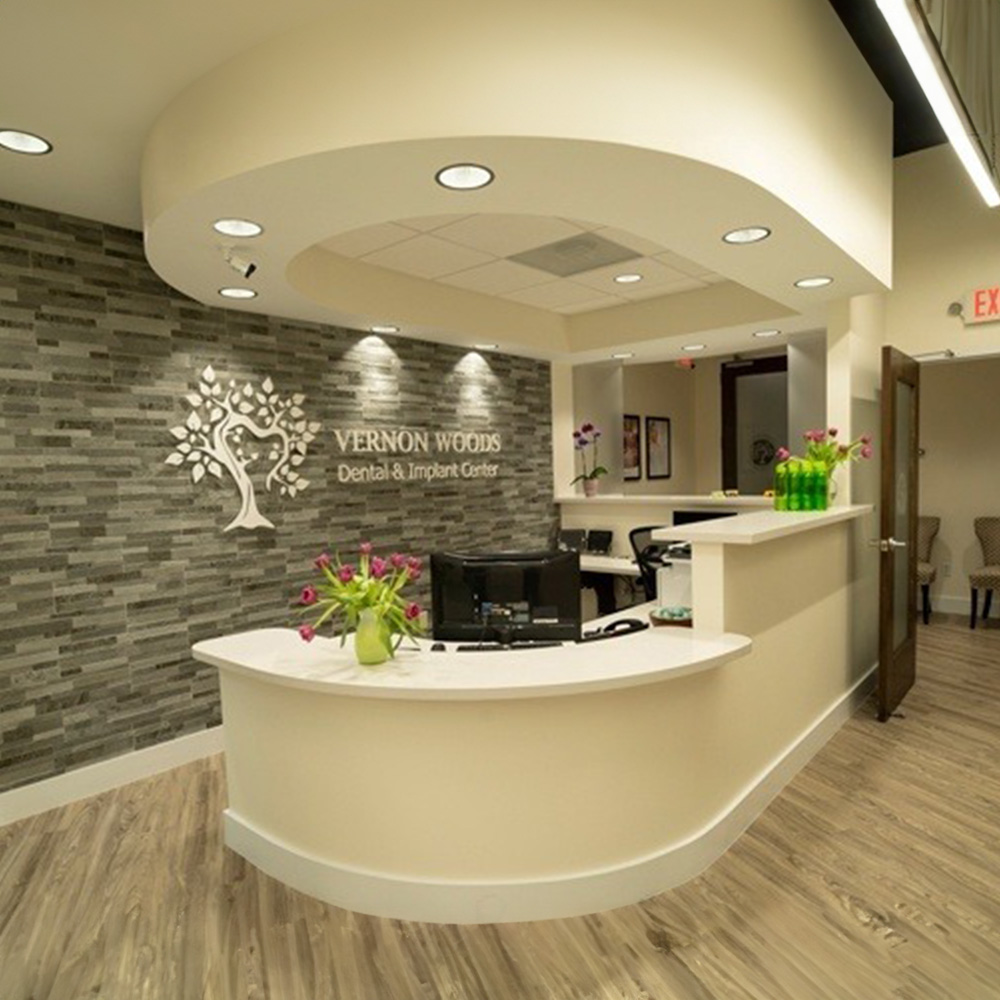
Ready to schedule your first visit and to join the Vernon Woods Dental & Implant Center family?
Scheduling your visit or getting answers to your questions is simple. The helpful team at Vernon Woods Dental & Implant Center is here to assist you! We can easily help you book appointments, explain treatment details, and address any concerns you have. Connect with us however you prefer—by phone or our quick online form. Don't delay your smile goals; contact us today and experience the comfort and confidence that personalized dental care provides.

Back to top