

If your dentist recommends a root canal, try not to panic. Modern endodontic treatment is designed to relieve pain, remove infection, and keep your natural tooth functional. In many cases a root canal is the most conservative way to treat a deeply injured or infected tooth while preserving chewing ability and the appearance of your smile.
At the office of Vernon Woods Dental & Implant Center, we combine careful diagnosis with up-to-date instruments and techniques to make root canal therapy predictable and as comfortable as possible. Patient comfort, clear communication, and long-term results guide every treatment decision we make.
When the soft tissues inside a tooth — the dental pulp — are inflamed or infected, removing that damaged tissue and sealing the canal system can stop the spread of infection and relieve intense tooth pain. By restoring the tooth rather than removing it, root canal therapy helps maintain the natural spacing of teeth and the integrity of your bite.
Advances in instruments, imaging, and filling materials have increased the predictability of root canal treatment. These refinements allow clinicians to clean and shape even complex internal anatomies more thoroughly, which contributes to long-term success and reduces the chance of future problems.
Choosing to save a tooth with endodontic therapy also reduces the need for more extensive restorative work later. A treated and properly restored tooth can function for many years — often a lifetime — provided it receives appropriate restoration and regular dental care.

Not all dental discomfort signals the same issue, but there are common warning signs that suggest the pulp inside a tooth may be compromised. Sensitivity that lingers long after exposure to hot or cold, pain when biting, or a tooth that darkens in color are reasons to seek an evaluation sooner rather than later.
Some teeth with advanced pulp damage show few symptoms and are first identified during routine radiographs or clinical exams. Radiographic changes around the root tip, persistent inflammation, or evidence of internal breakdown are findings that often lead to a recommendation for root canal therapy.
Prompt diagnosis matters because early intervention can limit the spread of infection and preserve more of the natural tooth structure. Ignoring signs of pulpal disease can allow the condition to progress, sometimes leading to more complex treatment needs.
Pain that does not respond to home remedies, especially if it wakes you at night or persists between visits, often indicates nerve or pulp involvement.
When hot or cold foods and drinks cause sharp or lingering discomfort, it can signal that the tooth’s inner tissues are inflamed or infected.
If chewing produces sharp or localized pain, that response may reflect inflamed pulp or an infection putting pressure on surrounding tissues.
A tooth that becomes darker after trauma or over time can be a sign that the internal tissues have been damaged or have died.
Structural damage to a tooth can expose the pulp or create pathways for bacteria, increasing the risk that a root canal will be needed.
Swelling, an abscess, or a recurring pimple-like spot on the gums are signs that an infection may have developed around the root of a tooth.
Infection or bone loss around a tooth can cause mobility; treating the source of infection can often stabilize the tooth again.

Teeth with pulpitis or infection respond best to intervention before problems become widespread. Early treatment reduces the chance that the infection will damage surrounding bone or spread to adjacent teeth, and it often simplifies the procedure required to resolve the issue.
Some teeth show no obvious pain despite significant internal damage, which is why routine exams and radiographs are essential. Detecting changes radiographically allows your provider to recommend appropriate treatment before symptoms intensify.
Delaying care can turn a straightforward root canal into a more involved procedure or, in some cases, lead to tooth loss. Acting promptly preserves options and tends to yield better long-term results for oral health.
Root canal therapy focuses on removing the inflamed or infected pulp, cleaning and shaping the canal space, and sealing it to prevent reinfection. The procedure is typically performed using local anesthesia, and most patients report far less discomfort than they anticipated.
The number of visits varies depending on the tooth’s anatomy and the presence of infection. Some cases are completed in a single appointment, while others require additional visits to ensure the canals are thoroughly disinfected and ready for a permanent seal.
Newer tools and techniques — including precision files, operating microscopes, and high-quality filling materials — help clinicians manage complex canal systems and reduce the likelihood of future problems. If dental anxiety is a concern, sedation dentistry options are available to help patients remain calm and comfortable during treatment.
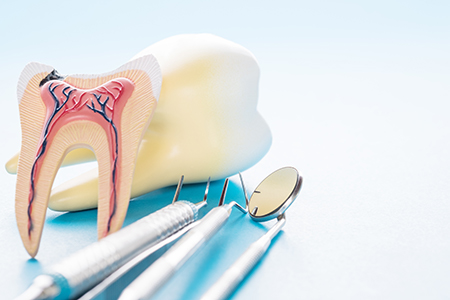
After treatment, mild soreness or tenderness around the tooth and surrounding tissues is common for a few days. Over-the-counter pain medications and short periods of rest usually control these symptoms. Your clinician will give you specific instructions tailored to your situation.
A tooth that has undergone root canal therapy is still susceptible to fracture until it is properly restored. A crown or another definitive restoration is often recommended to protect the tooth and restore full function. Scheduling this restoration in a timely manner is an important step in securing the treatment’s long-term success.
Ongoing oral hygiene and routine dental visits help ensure the treated tooth stays healthy. If swelling returns, new or persistent pain appears, or other concerns arise, contact our office promptly so the situation can be evaluated and managed.
You may feel numb until the local anesthetic wears off. Avoid chewing or placing hot items in the mouth during this time to prevent accidental injury.
Some pressure sensitivity or mild discomfort can occur as tissues heal. These symptoms typically decrease over several days.
If antibiotics are recommended to address or prevent infection, follow the prescribed course completely unless advised otherwise by your provider.
Limit chewing on the treated tooth until the permanent restoration is placed, and avoid hard or sticky foods that could damage a temporary filling.
Continue brushing and flossing carefully around the treated tooth to support healing and prevent further dental problems.
Returning for the recommended crown or filling helps strengthen the tooth and reduces the risk of future complications.
Our team at Vernon Woods Dental & Implant Center is committed to guiding patients through diagnosis, treatment, and follow-up care so they can return to comfortable function as quickly and safely as possible. If you think you may need evaluation for a root canal or have questions about the process, please contact us for more information.


A root canal, also called endodontic therapy, is a treatment that removes inflamed or infected tissue from inside a tooth. The procedure focuses on the dental pulp, which contains nerves, blood vessels, and connective tissue. Removing damaged pulp and sealing the internal canals stops infection and relieves pain.
After cleaning and shaping the canal system, the dentist fills and seals the space to prevent reinfection. In most cases the treated tooth is then restored with a crown or other restoration to protect it from fracture. Modern techniques make the treatment predictable and allow patients to keep their natural teeth whenever possible.
Dentists recommend root canal therapy when the pulp becomes inflamed or infected due to deep decay, a cracked or chipped tooth, or dental trauma. Common clinical findings that prompt a recommendation include prolonged sensitivity to heat or cold, spontaneous or severe toothache, and radiographic signs of infection at the root tip. Treating the pulp eliminates the source of infection and reduces pain.
Choosing endodontic treatment preserves the natural tooth, maintains chewing function, and helps prevent shifting of adjacent teeth. Saving a tooth can avoid more extensive restorative procedures later and often provides the best long-term outcome for oral health. Timely intervention also reduces the risk of the infection spreading to surrounding bone or other teeth.
Root canal therapy typically begins with local anesthesia to ensure patient comfort, followed by an access opening in the tooth to reach the pulp chamber. Specialized instruments are used to remove diseased tissue and to clean and shape the canal system. The clinician may use magnification and digital imaging to evaluate complex anatomy and confirm complete cleaning, and between appointments a temporary filling may be placed while medicaments reduce infection.
Once the canals are disinfected, they are filled with a biocompatible material and sealed to prevent reinfection. High-quality filling materials and precise obturation techniques contribute to a durable seal. The tooth is then restored with a permanent filling or crown to restore strength and function.
With local anesthesia, most patients experience little to no pain during the procedure and report less discomfort than they expected. Modern instruments and techniques are designed to minimize invasiveness and reduce procedure time. If anxiety is a concern, sedation options can be discussed to improve comfort.
After the appointment, it is normal to have some soreness and tenderness for a few days as surrounding tissues heal. Over-the-counter anti-inflammatory medications and short periods of rest usually control post-treatment symptoms. If pain intensifies or swelling develops, patients should contact the office promptly for evaluation.
You may need a root canal if you experience persistent tooth pain, prolonged sensitivity to temperature, pain when biting, or visible darkening of a tooth. Other signs include swelling, drainage near the gums, or a loose tooth following trauma. These symptoms suggest the pulp may be compromised and warrant an examination.
Sometimes teeth with severe internal damage cause little or no pain and are detected on routine radiographs or clinical exams. If X-rays show radiolucency at the root tip or other changes, your dentist may recommend endodontic treatment to prevent progression. Early evaluation preserves more natural tooth structure and simplifies treatment.
Like any dental procedure, root canal therapy carries some risks, such as incomplete removal of infection, reinfection, or rare procedural complications like instrument separation. In a small number of cases additional treatment, retreatment, or referral to an endodontist may be necessary. Careful diagnosis, modern techniques, and follow-up imaging reduce these risks and improve long-term success.
Patients with certain systemic health conditions or complex root anatomy may require special consideration and close monitoring. Your dentist will review potential risks and the expected prognosis during the consultation to ensure an informed treatment plan. Prompt attention to symptoms and adherence to post-treatment instructions further reduce the chance of complications.
Recovery after a root canal generally involves mild soreness or pressure for a few days while the surrounding tissues heal. Avoiding hard or chewy foods, chewing on the opposite side, and following the clinician's recommendations help protect the treated tooth. Short-term numbness from local anesthesia is normal and will resolve as the medication wears off.
A permanent restoration, often a crown, is usually recommended to strengthen the tooth and prevent fracture, and that restoration should be scheduled promptly. Maintaining good oral hygiene and attending regular dental checkups supports healing and monitors the treated tooth. If new pain, swelling, or other concerns arise after treatment, patients should contact their dental office for evaluation.
Yes — with proper restoration and regular care, a tooth that has had a root canal can last for decades or even a lifetime. Long-term success depends on eliminating infection, sealing the canals effectively, and protecting the tooth from fracture or recurrent decay. Restorative materials, occlusal habits, and ongoing dental hygiene all influence longevity.
Teeth that are left unrestored or subjected to heavy biting forces are at greater risk of failure and may require additional treatment. Routine examinations and timely interventions for new decay or structural concerns help preserve the treated tooth. Your dentist can recommend protective restorations and preventive measures tailored to your needs.
Delaying recommended root canal treatment allows infection to progress, which can lead to increasing pain, bone loss, and the formation of an abscess. An advancing infection may affect nearby teeth and complicate future treatment options. In some cases, postponing care ultimately necessitates extraction rather than preservation of the natural tooth.
Early diagnosis and intervention typically make treatment more predictable and less invasive. If you notice warning signs such as persistent pain or swelling, scheduling an evaluation promptly helps retain more tooth structure and avoid more complex procedures. Your dental team can explain alternatives and the likely outcomes so you can make an informed decision.
To prepare for a root canal appointment, bring an updated list of medications, inform the office of any medical conditions or allergies, and discuss anxiety or sedation preferences ahead of time. Eating a light meal unless advised otherwise and arranging transportation if you will receive sedation can improve comfort and safety. Bring any recent dental x-rays or records if you have them to help with diagnosis and planning.
Vernon Woods Dental & Implant Center uses modern imaging, magnification, and gentle techniques to provide predictable root canal care and clear communication about the treatment plan. Our team will review the procedure, expected recovery, and restoration timeline and will be available for follow-up care if concerns develop. If you think you may need evaluation for a root canal, contact our office to schedule an appointment and discuss your options.

Ready to schedule your first visit and to join the Vernon Woods Dental & Implant Center family?
Scheduling your visit or getting answers to your questions is simple. The helpful team at Vernon Woods Dental & Implant Center is here to assist you! We can easily help you book appointments, explain treatment details, and address any concerns you have. Connect with us however you prefer—by phone or our quick online form. Don't delay your smile goals; contact us today and experience the comfort and confidence that personalized dental care provides.

Back to top