

Gum disease is one of the most common threats to adult oral health, and yet it is largely preventable with the right care. Many adults will experience some degree of periodontal inflammation during their lives; recognizing early changes and seeking timely treatment makes a decisive difference. At the office of Vernon Woods Dental & Implant Center, we focus on clear explanations, precise diagnose, and practical treatment plans so patients can protect their smiles and overall health.
Periodontal disease begins as an inflammatory response to bacteria that collect along the gumline. Over time, plaque and hardened deposits can irritate the soft tissues that attach teeth to bone, producing swelling, bleeding, and gradual loss of supporting structure. Because the process can be slow and painless in the early stages, many people only notice a problem once more significant damage has occurred.
Beyond the visible effects in the mouth, persistent periodontal inflammation has consequences for general well-being. Emerging research links untreated gum disease with a greater risk of systemic conditions, underscoring why early detection and consistent maintenance are important. Addressing periodontal disease is both an oral-health priority and a broader health choice.
Preventive habits—regular brushing and flossing, professional cleanings, and routine periodontal evaluations—are the most effective ways to keep periodontal problems from starting or progressing. When patients and clinicians work together, periodontal disease is often manageable or reversible, preserving tooth support and function.
Common signs that should prompt an evaluation:
Gums that are red, swollen, or tender to the touch
Bleeding during brushing or flossing
Apparent gum recession or exposed root surfaces
Increased tooth sensitivity to hot, cold, or sweet foods
Persistent bad breath or an unpleasant taste that does not resolve
Teeth that feel loose or a change in how your bite feels
New gaps forming between teeth or difficulty with removable prosthetics
Discharge around the gumline or pain when chewing

Caring for the gums is not only about aesthetics; it maintains the foundation that keeps teeth stable and functional. Healthy gums form a protective seal around tooth roots and help maintain the bone that underpins the dental arch. When gingival tissue is compromised by bacteria and inflammation, that protective barrier weakens and bone loss can follow.
Regular professional evaluations allow clinicians to measure pocket depth, assess attachment levels, and monitor bone. This objective information guides treatment decisions and helps prevent small problems from becoming complex ones. Early intervention is often less invasive and more predictable than treating advanced disease.
Patients who adopt a consistent home-care routine and follow a tailored maintenance schedule see the best long-term results. Daily plaque control combined with periodic professional therapy creates the conditions for gum tissue to heal and remain healthy, reducing the likelihood of future surgical intervention.
Gingivitis is the first, reversible stage of periodontal disease. It usually presents with redness, swelling, and bleeding, but it does not yet involve loss of bone or connective tissue attachment. Because the damage at this point is limited to the soft tissues, gingivitis can typically be eliminated through a combination of improved oral hygiene and professional cleaning.
When gingivitis is identified, clinicians emphasize practical changes that patients can sustain—refined brushing technique, effective interdental cleaning, and, when appropriate, adjunctive antimicrobial measures. A short course of professional deep cleaning procedures combined with careful home care can restore healthy gum tone and color in many cases.
Committing to a regular maintenance program after initial treatment is essential: without ongoing care, gingivitis can return and progress. Routine checkups provide opportunities to refresh home-care instruction, reassess tissue health, and intervene quickly if inflammation reappears.

Left unchecked, gingivitis can evolve into periodontitis, in which bacteria-driven inflammation starts to destroy the connective tissues and bone that support teeth. As pockets form between the teeth and gums, they create favorable environments for persistent bacterial colonization and further tissue breakdown. Over time, this process undermines tooth stability and can lead to mobility or tooth loss.
Assessing periodontitis involves more than visual inspection; probing depths, attachment measurements, and radiographic evaluation of bone levels provide a complete picture. This diagnostic information allows clinicians to stage the disease accurately and develop a treatment plan that targets the specific areas of concern.
Treatment aims to arrest disease progression, reduce pocket depths, and, when possible, restore lost tissues. Modern periodontal therapy combines mechanical cleaning with targeted medical and surgical techniques to create conditions for healing and long-term maintenance.
Today’s periodontal treatments are designed to be as conservative as possible while still delivering predictable outcomes. Our approach begins with a thorough assessment and a discussion of options that match the patient’s needs and preferences. Non-surgical therapy often serves as the first step, with additional interventions added only when indicated.
Adjunctive tools—such as locally delivered antimicrobials, medicated dressings, and, in selected cases, laser-assisted therapy—can enhance the effects of mechanical cleaning. When tissue or bone regeneration is a realistic goal, regenerative procedures including bone grafts or guided tissue techniques may be considered to rebuild lost structure and improve both function and appearance.
Whichever path is chosen, successful periodontal care depends on collaboration: clinician expertise, patient adherence to home care, and a consistent maintenance schedule. That collaborative model produces the most durable results and helps protect the investment of time and effort patients make in their oral health.
Periodontal therapy is staged and individualized. Initial non-surgical care—focused on removing subgingival plaque and calculus and smoothing root surfaces—reduces bacterial load and allows inflamed tissues to begin healing. Many patients experience significant improvement after these measures alone, provided they maintain effective daily hygiene.
When non-surgical therapy does not fully resolve deeper pockets or when anatomical factors hinder cleaning, surgical procedures may be recommended to access roots, recontour tissues, and, where appropriate, place regenerative materials. The goals are consistent: eliminate infection, reduce pocket depth, and create a gum architecture that patients can clean effectively at home.
After active therapy, a personalized periodontal maintenance plan is established. These regular visits allow the team to monitor healing, reinforce home care, and intervene early if signs of recurrence appear. Long-term success rests on this combination of clinical follow-up and patient engagement.
Scaling and root planing remain the foundation of early periodontal care. These procedures remove bacteria, plaque, and calcified deposits from root surfaces and reduce pocket depths so tissues can reattach and heal. Antimicrobial adjuncts—applied locally or used systemically when indicated—help control bacterial populations and support clinical outcomes.
When disease has progressed beyond the reach of non-surgical treatment, surgical techniques allow direct access to affected root surfaces and bone. Flap surgery, pocket reduction, and regenerative therapies (including bone grafts) are used to repair damaged tissues, reestablish healthy contours, and improve the long-term prognosis of compromised teeth. In select cases, laser-assisted procedures can complement conventional surgical care.
The primary objectives of surgical intervention are to remove entrenched bacterial deposits, halt further bone loss, and create an environment where daily home care is more effective. With proper follow-up and maintenance, many patients retain their natural teeth for years to come.
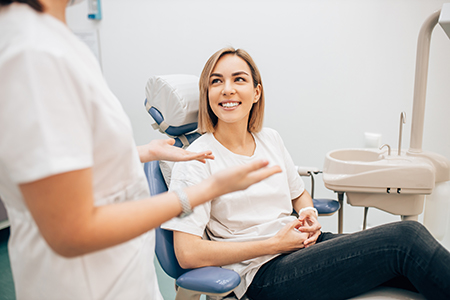
At the practice, we aim to make periodontal care understandable, predictable, and aligned with each patient’s goals. Whether the focus is prevention, stabilizing early disease, or treating more advanced conditions, our team emphasizes clear communication and evidence-based methods to support lasting oral health.
In summary, periodontal disease is common but manageable when identified early and treated with a thoughtful, individualized plan. If you have questions about gum health or would like to learn more about the periodontal services we provide, please contact us for more information.


Periodontal disease starts when bacterial plaque accumulates along the gumline and triggers inflammation of the soft tissues that surround the teeth. Over time that plaque can mineralize into calculus, which adheres to root surfaces and perpetuates irritation despite regular brushing. The chronic inflammatory response gradually destroys the connective tissues and bone that support teeth, creating deeper periodontal pockets and loss of attachment.
The progression is often slow and painless in early stages, so many people do not recognize a problem until measurable damage has occurred. Once pockets form, they create favorable conditions for further bacterial growth and tissue breakdown. Early identification and treatment can often halt or reverse tissue inflammation before significant bone loss develops.
Common signs include gums that are red, swollen, tender, or that bleed during brushing and flossing. Patients may also notice persistent bad breath, a metallic or unpleasant taste, increased tooth sensitivity, or visible recession exposing root surfaces. Changes in how teeth fit together or a sensation of loose teeth can indicate that supporting structures are affected.
Because early disease can be subtle, any of these symptoms should prompt a periodontal evaluation rather than a wait-and-see approach. Professional assessment can determine whether symptoms reflect reversible gingivitis or a more advanced condition that requires targeted therapy. Timely evaluation improves the likelihood of conservative, effective treatment.
Diagnosis begins with a thorough clinical exam that includes periodontal probing to measure pocket depths and assess attachment levels around each tooth. Clinicians also review your medical and dental history, look for bleeding on probing, and use radiographs to evaluate bone levels and detect patterns of bone loss that are not visible on the surface. Photographs and intraoral imaging may supplement the exam to document tissue condition and treatment needs.
Accurate staging and grading of disease depend on combining clinical measurements with radiographic findings and risk-factor assessment. Factors such as smoking, diabetes, and medications that affect oral tissues influence diagnosis and the recommended treatment plan. A complete evaluation provides the objective information needed to design a personalized, evidence-based approach.
Non-surgical therapy typically begins with scaling and root planing, which removes plaque, calculus, and bacterial biofilm from root surfaces to allow inflamed tissues to heal. Adjunctive measures may include locally delivered antimicrobials, medicated dressings, and a short course of systemic antibiotics when clinically indicated. These interventions aim to reduce pocket depths and lower the bacterial burden without surgery.
Careful home hygiene and follow-up appointments are essential to assess response to therapy and to reinforce technique for brushing and interdental cleaning. Many patients experience substantial improvement with non-surgical treatment, but persistent deep pockets or anatomical challenges may require additional interventions. Treatment decisions are made based on measurable improvement and the patient’s ability to maintain oral health at home.
Surgical or regenerative procedures are considered when non-surgical therapy does not sufficiently reduce deep pockets or when anatomical factors prevent adequate cleaning. Procedures such as flap surgery and pocket reduction provide direct access to root surfaces and allow removal of entrenched deposits, recontouring of soft tissue, and treatment of bony defects. Regenerative techniques, including bone grafts and guided tissue regeneration, are used when restoring lost bone and attachment is a realistic goal.
The primary objectives of surgery are to eliminate sites of persistent infection, reduce pocket depth to a maintainable level, and recreate gum architecture that patients can clean effectively. In select cases laser-assisted therapy can complement conventional surgical approaches and may reduce postoperative discomfort. The choice of procedure is individualized, based on diagnostic findings and the long-term prognosis for each tooth.
Maintenance therapy is a structured program of regular periodontal visits intended to monitor tissue stability, remove recurrent deposits, and reinforce home care habits. Frequency is tailored to the patient’s disease severity, response to active therapy, and risk factors, and it often ranges from every three months to longer intervals for stable patients. During maintenance appointments clinicians re-measure pocket depths, check attachment levels, and address any new areas of concern early.
Consistent maintenance is the most reliable method to prevent recurrence and preserve treatment outcomes over time. Patients who follow a recommended maintenance schedule and maintain effective home care have a much better chance of keeping their natural teeth long term. This collaborative model between patient and clinician supports predictable oral health management.
Emerging research shows associations between chronic periodontal inflammation and systemic conditions such as diabetes, cardiovascular disease, and adverse pregnancy outcomes, though a direct causal relationship is complex and influenced by multiple factors. Treating periodontal disease reduces local inflammatory burden and can improve markers of systemic inflammation in some patients, which supports the rationale for timely dental care as part of overall health management. Clinicians consider a patient’s medical history when planning periodontal treatment.
Coordination with medical providers is important for patients with systemic conditions that affect healing or immune response, including diabetes and autoimmune disorders. Managing those conditions in parallel with periodontal therapy often improves outcomes for both oral and general health. Early detection and treatment of periodontal inflammation are prudent steps in a comprehensive approach to well-being.
Effective home prevention begins with twice-daily brushing using a soft-bristled or electric toothbrush and thorough daily interdental cleaning with floss, interdental brushes, or other recommended aids. Proper technique matters as much as frequency, so clinicians often provide individualized instruction on brushing angle, duration, and interdental methods to optimize plaque removal. Using an antimicrobial mouthrinse may be advised for short-term support in specific situations.
Beyond mechanical plaque control, lifestyle factors influence periodontal risk: tobacco cessation and good glycemic control in patients with diabetes substantially reduce disease progression. Regular professional exams and cleanings complete the preventive strategy by identifying early changes and removing deposits in areas that are difficult to clean at home. A partnership between daily care and periodic professional maintenance yields the best long-term results.
Contemporary periodontal care integrates diagnostic and therapeutic technologies such as digital radiography, cone-beam computed tomography for complex cases, intraoral cameras for documentation, and ultrasonic instrumentation for efficient debridement. Laser-assisted therapies, including LANAP® in selected practices, and advanced piezo ultrasonic scalers are used as adjuncts to conventional mechanical therapy when appropriate. These tools can improve visualization, increase precision, and in some cases reduce treatment invasiveness.
Technology is applied selectively and always in the context of evidence-based decision making; no single device replaces careful clinical assessment and sound surgical principles. The clinician’s skill in measuring, planning, and executing therapy remains the primary determinant of success. Patients should expect a treatment plan that explains the role of any recommended technology and how it adds value to their care.
Your first periodontal evaluation at Vernon Woods Dental & Implant Center begins with a comprehensive history and a focused clinical exam that includes periodontal probing, assessment of bleeding on probing, and appropriate radiographic imaging. The clinician will document pocket depths, attachment levels, and any signs of bone loss or infection, and may take intraoral photos to illustrate findings. This diagnostic phase establishes the stage and grade of disease and identifies any contributing factors such as smoking or systemic health conditions.
After the exam the team will discuss the findings in plain language and outline treatment options that match your goals and clinical needs, including conservative care, adjunctive therapies, and when surgical or regenerative procedures might be indicated. A personalized maintenance schedule will be recommended to support healing and long-term stability. If therapy is needed, the office will help coordinate the next steps so you understand the process and expected outcomes.
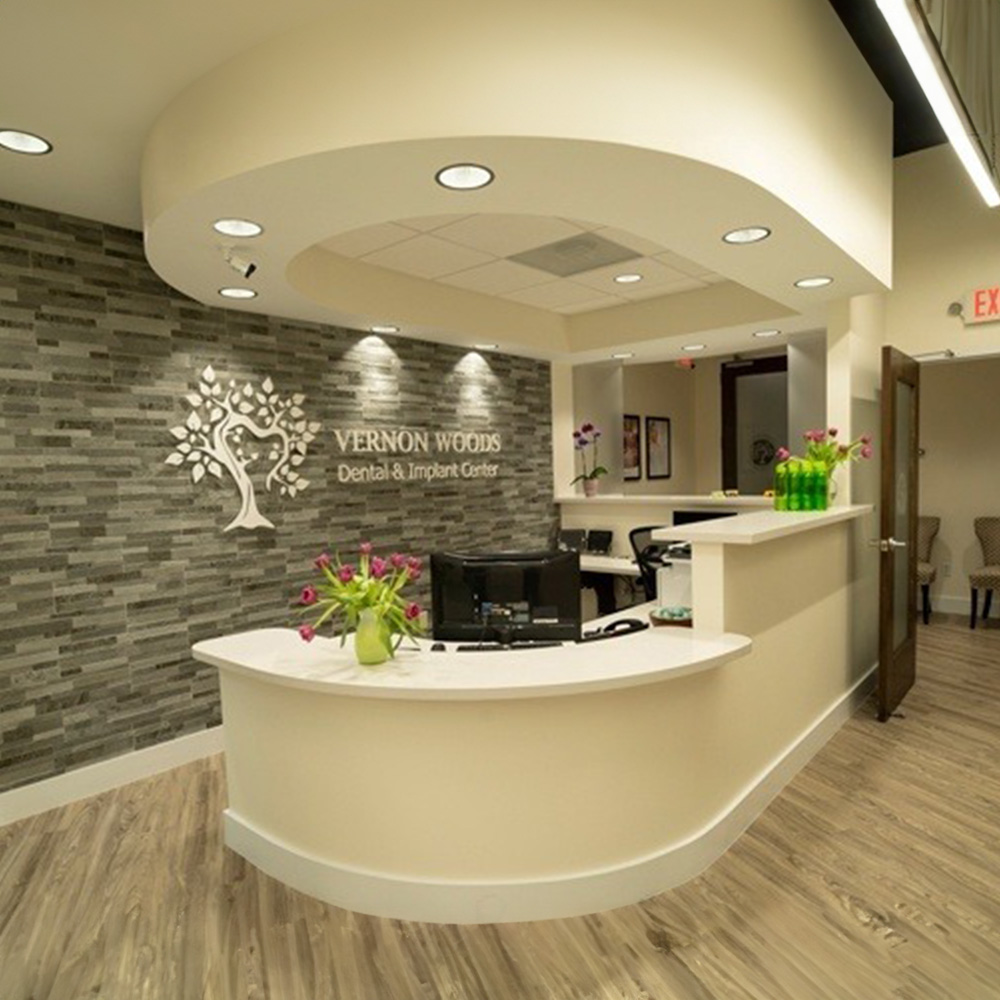
Ready to schedule your first visit and to join the Vernon Woods Dental & Implant Center family?
Scheduling your visit or getting answers to your questions is simple. The helpful team at Vernon Woods Dental & Implant Center is here to assist you! We can easily help you book appointments, explain treatment details, and address any concerns you have. Connect with us however you prefer—by phone or our quick online form. Don't delay your smile goals; contact us today and experience the comfort and confidence that personalized dental care provides.
Back to top