

At the office of Vernon Woods Dental & Implant Center, the health and development of your child's smile are our highest priorities. We focus on practical prevention, clear communication, and gentle care so families can feel confident about their children's dental health from infancy through the teen years. This page explains the core elements of pediatric dentistry — what to expect at visits, how we prevent the most common problems, and how we support healthy habits that last a lifetime.

Early dental care sets the tone for a child's future oral health. We recommend beginning routine dental visits around the time a child’s first tooth appears or by their first birthday. These early appointments are short and focused: they let us evaluate oral development, identify potential concerns, and help families learn age-appropriate home care techniques. Early contact with the dental team also familiarizes children with the office in a low-pressure way, reducing anxiety as they grow.
During initial exams we look beyond cavities. Our providers assess how teeth are erupting, how the jaws are growing, and whether habits like prolonged bottle use, pacifier reliance, or thumb sucking might affect development. When necessary, we use digital radiographs selectively to gain a clearer picture of a child’s tooth positions and jaw structure — always balancing diagnostic benefit with safety.
Preventive planning begins at the first visit. Together with parents and caregivers, we build a step-by-step care plan that matches the child's age and needs. That plan may include regular cleanings, fluoride guidance, nutrition advice, habit management strategies, and a timeline for follow-up so families know what to expect as their child’s smile develops.
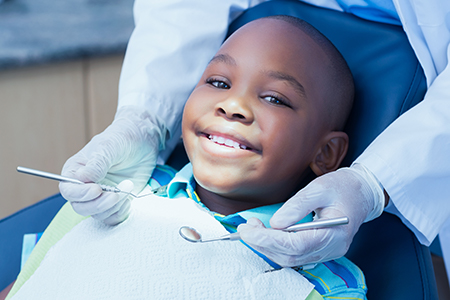
Simple, consistent habits are the foundation of a healthy smile. We emphasize practical guidance parents can use at home: proper brushing technique for each age, when to introduce fluoride toothpaste, and how to supervise flossing as teeth come together. We also help families make smart mealtime and snacking choices that reduce exposure to sugars and acids that contribute to tooth decay.
Making oral hygiene engaging for kids is important. We recommend routines that fit a child’s attention span, such as short, timed brushing sessions and positive reinforcement rather than punishment. For toddlers, a parent-directed brushing routine works best; by school age, children benefit from step-by-step coaching and periodic oversight until they can reliably brush and floss on their own.
Protective measures in the office complement home care. When appropriate, we discuss topical fluoride applications and dental sealants to reduce the risk of decay on vulnerable chewing surfaces. Each recommendation is tailored to your child’s individual risk factors, not applied as a one-size-fits-all solution.
Tooth decay remains the most common chronic disease of childhood, but it is largely preventable. Understanding the main risk factors—frequent exposure to sugary drinks and snacks, inconsistent cleaning, and prolonged bottle use—helps families take simple corrective steps. We provide practical strategies to reduce cavity risk, such as swapping sugary beverages for water, minimizing sticky snacks, and avoiding putting infants to bed with bottles containing milk or juice.
Teething, while normal, can be uncomfortable for babies and worrying for parents. We guide caregivers on safe ways to soothe erupting teeth — such as chilled teething rings or gentle gum massages — and when to seek dental advice for unusual symptoms. We also monitor early tooth loss from decay or injury; if a primary tooth is lost prematurely, we evaluate whether a space maintainer is needed to preserve the alignment for the permanent tooth.
Habits like thumb or finger sucking deserve attention when they persist beyond preschool years. These behaviors are common and comforting for young children, but prolonged sucking can change bite relationships and jaw growth. We offer constructive approaches to help children stop these habits at an appropriate time and will recommend further care if dental development is affected.

Monitoring facial growth and tooth alignment is an essential part of pediatric care. Many orthodontic issues become apparent early, so we evaluate jaw relationships and tooth positions as children grow. The American Association of Orthodontists recommends an orthodontic check by about age seven; our team watches for indicators that an early consult is beneficial so treatment, if needed, can be timed for the best outcomes.
For active children, protecting teeth during sports is a key preventive step. Properly fitted mouthguards reduce the risk of dental trauma to teeth, lips, and jaws. We advise on the most suitable mouthguard option for your child’s sport and offer guidance on maintenance and replacement as they grow.
When specialty care is indicated — for example, complex growth discrepancies or early orthodontic intervention — we coordinate referrals and work collaboratively to ensure continuity of care. Our goal is to address developmental needs proactively so treatment is as efficient and effective as possible.
Creating a calm, welcoming environment helps children feel secure during dental visits. Our team uses age-appropriate communication, clear explanations, and gentle techniques to reduce fear and build cooperation. For children who experience dental anxiety or have special needs, we discuss tailored approaches that make care manageable and respectful.
Accidents do happen: chipped, displaced, or knocked-out teeth and painful infections can require timely attention. We provide practical guidance on immediate steps parents can take for many common injuries and prioritize prompt evaluation when a dental emergency occurs. Quick assessment and appropriate treatment can make a significant difference in the health and long-term prognosis of an injured tooth.
Throughout every appointment we partner with families, offering education and resources so parents feel confident supporting their child’s oral health at home. We encourage questions and provide clear, actionable advice that fits each child’s stage of development.
Begin dental visits by the first birthday or when the first tooth appears.
Establish a consistent brushing and flossing routine that evolves with your child’s abilities.
Limit sugary drinks and sticky snacks; choose water and nutrient-rich options whenever possible.
Use protective gear like mouthguards for contact sports and seek prompt care after dental injuries.
Call your dental provider if you notice pain, swelling, unusual tooth mobility, or changes in how your child bites or chews.
Our approach to pediatric dentistry balances preventive strategies with compassionate, child-centered care. By working closely with families and monitoring growth and oral health at every stage, we help children develop strong, healthy smiles and a positive relationship with dental care. For more information or to discuss your child’s needs, please contact Vernon Woods Dental & Implant Center.


We recommend a child's first dental visit around the time the first tooth appears or by the first birthday. Early visits are brief and focus on checking oral development, teaching parents age-appropriate home care, and introducing the child to the dental office in a low-pressure way. These initial appointments help establish a preventive plan and reduce anxiety as visits become routine.
During the first visit the provider will look at how teeth are erupting and assess feeding and hygiene practices that affect oral health. The team will offer simple guidance on brushing, pacifier and bottle use, and what to expect in future checkups. Follow-up schedules and any needed early interventions are personalized to the child's needs.
Preventing cavities combines good home habits with targeted in-office care. Providers teach brushing and flossing techniques appropriate to each age, discuss dietary choices that reduce frequent sugar exposure, and recommend topical fluoride and dental sealants when they are likely to reduce decay risk.
Preventive planning is individualized based on a child's risk factors, such as past decay, visible plaque, or frequent sugary snacks. Regular checkups allow the team to monitor changes, reinforce home routines, and apply protective treatments at the optimal time.
Teething is a normal developmental stage that can cause mild discomfort, irritability, and increased drooling as primary teeth erupt. Safe soothing methods include chilled teething rings, gentle gum massage with a clean finger, and offering cool washcloths; caregivers should avoid topical anesthetics without professional advice and should not place sweet substances on a pacifier or bottle.
If symptoms are severe, persistent, or accompanied by high fever or unusual swelling, parents should contact their dental or medical provider for guidance. The dental team can also check for any issues with eruption patterns and provide reassurance about typical timelines and expectations.
Thumb sucking and pacifier use are common in infancy and early toddlerhood and usually do not cause lasting problems if they stop by the preschool years. Concerns arise when these habits persist as permanent teeth are erupting, because prolonged sucking can affect bite development and jaw growth.
The dental team can evaluate a child's bite and suggest gentle, practical strategies to reduce the habit, such as positive reinforcement, habit-replacement techniques, and gradual limits on use. If dental development is affected, the provider may recommend additional interventions or monitor changes over time.
Monitoring facial growth and tooth alignment is a routine part of pediatric dental care, and early screening helps identify conditions that benefit from timely intervention. The American Association of Orthodontists suggests a screening by about age seven, and our team watches for signs like severe crowding, crossbites, or asymmetrical jaw growth that may warrant an orthodontic consult.
If an early problem is detected, we coordinate referrals and work with specialists to plan treatment at the most effective stage of development. Early guidance can simplify future orthodontic treatment and improve long-term outcomes when intervention is timed appropriately.
Properly fitted mouthguards are the most effective way to reduce the risk of dental injuries during sports, protecting teeth, lips, and jaw structures. We discuss options such as stock, boil-and-bite, and custom-made mouthguards, highlighting that custom guards provide the best fit, comfort, and long-term protection for young athletes.
Caregivers should ensure a mouthguard is worn during practices and games, inspect it regularly for wear, and replace it as a child grows or if the guard becomes damaged. The dental team can recommend the right type of guard for a child’s sport and growth stage and supply maintenance tips to keep it hygienic.
Dental emergencies in children—such as knocked-out, fractured, or severely painful teeth—require prompt assessment to preserve oral health and maximize the chance of saving injured teeth. The office of Vernon Woods Dental & Implant Center in Sandy Springs emphasizes rapid triage, providing clear guidance on immediate steps caregivers can take, such as preserving a permanent tooth in milk and managing bleeding or swelling safely.
After initial first-aid measures, a timely clinical evaluation allows the team to determine the appropriate treatment, whether repair, repositioning, or referral to a specialist. Quick action often improves the prognosis of traumatic injuries and reduces the risk of long-term complications.
Child-centered behavior management uses age-appropriate communication and gentle techniques to build trust and cooperation, with an emphasis on clear explanations and positive reinforcement. Common approaches include the tell-show-do method, distraction strategies, and stepwise exposure to procedures so a child feels safe and understands what to expect.
For children with stronger anxiety or special needs, the team may incorporate additional supports such as shorter visits, parental presence, or nitrous oxide when appropriate and safe. The goal is to create a calm environment where children learn to view dental care as a positive, routine part of health.
Dental radiographs are an important diagnostic tool and are used selectively in pediatric patients when the expected diagnostic benefit outweighs any minimal risk. Modern digital X-ray technology dramatically reduces radiation exposure, and protective measures such as lead aprons and thyroid collars are used to further limit dose.
Decisions about X-rays are individualized based on the child’s age, clinical findings, history of decay, and development stage, with the team following established guidelines to obtain images only when they will directly inform treatment. Parents are encouraged to ask questions so they understand the purpose and safety measures associated with any recommended imaging.
Preparation begins with a calm, positive attitude from caregivers and simple, honest explanations about what will happen during the appointment. Role-playing with a toothbrush, reading child-friendly books about the dentist, and scheduling visits at times when the child is well-rested can all improve cooperation and reduce fear.
At home, establish consistent brushing and flossing routines that evolve with the child’s abilities, limit frequent exposure to sugary drinks and snacks, and follow the dental team's advice about fluoride and sealants. Regular checkups, open communication with your dental provider, and steady reinforcement of healthy habits help children develop strong teeth and a lifetime of good oral health.

Ready to schedule your first visit and to join the Vernon Woods Dental & Implant Center family?
Scheduling your visit or getting answers to your questions is simple. The helpful team at Vernon Woods Dental & Implant Center is here to assist you! We can easily help you book appointments, explain treatment details, and address any concerns you have. Connect with us however you prefer—by phone or our quick online form. Don't delay your smile goals; contact us today and experience the comfort and confidence that personalized dental care provides.

Back to top