

At Vernon Woods Dental & Implant Center, we take a proactive approach to preserving healthy, confident smiles for patients of every age. Routine oral exams let our team identify emerging problems early, reinforce good habits, and tailor preventive care to each person's needs. During these visits we combine a careful clinical inspection with targeted screenings—such as oral cancer checks and periodontal assessments—alongside patient education about hygiene, diet, and lifestyle factors that influence long-term oral health.
The initial checkup is about building a clear picture of your current oral health. We begin by reviewing your medical and dental histories to understand medications, medical conditions, and any previous dental work that could affect treatment. This conversation helps us prioritize concerns and tailor the exam so nothing important is missed.
Next comes a systematic clinical evaluation. That includes a close inspection of teeth and restorations, an assessment of gum tissues and bone support, a review of bite (occlusion), and an examination of the jaw joints and surrounding soft tissues. We also perform an oral cancer screening and a periodontal evaluation to identify any signs that warrant further attention.
To see beneath the surface, we use diagnostic imaging when indicated. Digital radiographs and, occasionally, three-dimensional imaging give us a fuller view of roots, bone, and hidden areas between teeth. After the exam and imaging, our team will explain what we found and outline the appropriate next steps—whether that means preventive care, monitoring, or treatment—so you have a clear plan and a voice in your care.

The mouth is a window into general health. Changes in gum tissue, unexplained bleeding, dry mouth, persistent bad breath, or unusual lesions can sometimes signal broader medical issues. During an oral exam we pay attention to these signs because early detection can prompt timely medical follow-up when needed.
Research increasingly links oral conditions with systemic illnesses, and while not every oral symptom indicates a serious disease, patterns do emerge that are worth noting. Poor oral health has been associated with a range of conditions, and identifying problems early can reduce complications and improve outcomes in both oral and systemic health.
Some conditions that have been associated with or impacted by oral health include:
Digestive disorders
Respiratory problems
Cardiovascular disease
Stroke
Diabetes
Alzheimer's disease
We also recognize the reverse: systemic conditions and medications can affect the mouth. Issues such as dry mouth, oral ulcers, and gum inflammation are sometimes side effects of broader health problems. By treating the mouth with attention to these connections, we support both oral comfort and general health.

Regular checkups paired with professional cleanings are the most effective tools for preventing common dental problems. At each preventive visit, our hygienists remove plaque and hardened tartar in places that are difficult to clean at home, polish tooth surfaces, and check for early signs of decay and gum disease. These steps help keep small issues from becoming complex treatments later on.
A preventive appointment is also an opportunity for personalized coaching. We review brushing and flossing techniques, suggest useful tools and products, and discuss diet and habits that influence oral health. For children, these visits focus on establishing positive routines and monitoring growth so that any need for orthodontic evaluation is identified early.
While daily home care is foundational, professional care fills the gaps. Our goal is to keep your smile healthy and functional with a combination of at-home habits and periodically scheduled preventive visits. When an issue is detected, addressing it early often means simpler, less invasive care and better long-term results.
We aim to make every visit comfortable and informative so patients leave with a clear understanding of their oral health status and practical steps they can take between appointments to maintain progress.
Clinical inspection is essential, but diagnostic images reveal structures you can’t see with the naked eye. Dental x-rays allow us to visualize tooth roots, the supporting bone, and areas between teeth where decay often starts. They also help us track development, evaluate the stability of restorations, and detect issues before they produce symptoms.
Modern digital radiography has transformed how we capture and use images. Digital sensors produce high-quality images quickly and with minimal radiation exposure. The images appear instantly on-screen, making it easier to show patients what we see and to include images in your chart for careful monitoring over time.
There are tangible benefits to digital imaging that improve both efficiency and patient experience:
Quicker imaging with reduced radiation exposure
Immediate image viewing for faster diagnosis
Images can be securely stored and shared with other providers when needed
Digital radiographs avoid chemical processing and generate less waste, making them environmentally friendlier
All images are archived in the patient’s electronic file for ongoing comparison and treatment planning
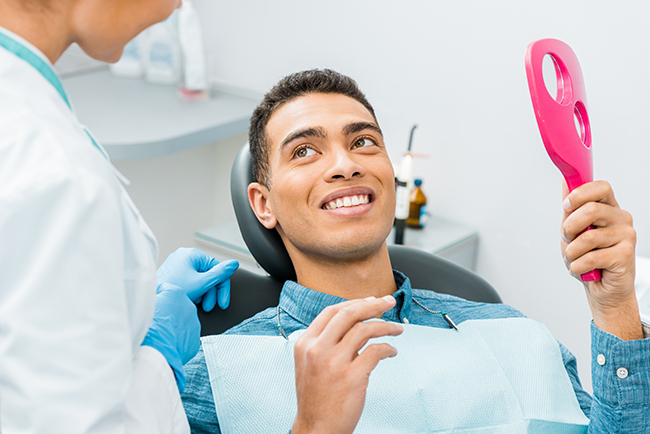
The type of image we recommend depends on the clinical question. Small, targeted films are useful for evaluating a single tooth or checking for decay between teeth, while broader images provide a panoramic overview of the jaws and developing teeth. Each view has a specific diagnostic value that helps us build a complete picture of oral health.
Common diagnostic image types include:
Periapical x-ray - A focused view that shows an entire tooth from crown to root and the surrounding bone; useful for root-related concerns.
Bitewing x-ray - A close-up view of the crowns of adjacent teeth, commonly used to detect cavities between teeth.
Full mouth series - A collection of periapical and bitewing images that together document the condition of all teeth and supporting structures.
Panoramic film (panorex) - A single, wide view of the entire upper and lower jaws, useful for assessing eruption, impacted teeth, and jawbone health.
Cephalometric film - A profile view of the face and jaws often used for orthodontic assessment and growth evaluation.
For complex planning—such as implant placement, surgical assessment, or detailed evaluation of anatomical structures—three-dimensional imaging with cone-beam computed tomography (CBCT) may be recommended. CBCT provides precise spatial information that enhances diagnosis and treatment accuracy.
When imaging is part of your exam, we will explain why a particular view is helpful and how it contributes to your individualized care plan.
In summary, a comprehensive oral exam combines careful observation, targeted imaging, and thoughtful conversation to protect your smile and support overall health. At Vernon Woods Dental & Implant Center, our team focuses on clear explanations and practical next steps so patients leave informed and confident. If you have questions or would like more information about what an exam entails, please contact us for details.


A comprehensive oral exam is a systematic evaluation of the mouth, teeth, gums, jaw joints and surrounding soft tissues to establish your current oral health status. The clinician inspects restorations, checks for signs of decay or wear, evaluates gum tissue and bone support, and reviews your bite and jaw function. An oral cancer screening and periodontal assessment are standard parts of the exam to identify any findings that require follow-up.
When appropriate, the exam is supplemented with diagnostic imaging such as digital radiographs or three-dimensional scans to reveal areas not visible on clinical inspection. The team documents findings, discusses any concerns, and outlines recommended next steps so you understand options for prevention, monitoring or treatment. Patient education about home care, diet and risk factors is integrated into the visit to support long-term oral health.
Your first oral exam begins with a review of medical and dental history to identify medications, medical conditions or past dental work that affect care. The clinician then conducts a thorough clinical inspection, including teeth, restorations, gum tissues, occlusion and a soft‑tissue assessment for lesions or abnormalities. A periodontal screening evaluates gum health and pocket depths, and an oral cancer check examines the lips, tongue, cheeks, floor of mouth and throat.
If imaging is indicated, digital x‑rays or other scans are taken to provide a complete picture of roots, bone and hidden decay. After the exam and any imaging, the dentist or hygienist explains findings in clear terms and recommends a tailored plan for preventive care, monitoring, or treatment. You should leave the appointment with actionable guidance and a schedule for appropriate follow‑up.
Frequency of routine oral exams depends on individual risk factors, oral health status and your dentist's recommendations. Many patients benefit from exams every six months to coincide with professional cleanings, while others with stable health may be seen annually and patients with higher risk for decay or periodontal disease may need more frequent visits. The dentist assesses your history, gum health, decay risk and systemic health to determine the ideal interval for monitoring.
Routine exams are an opportunity to detect small problems before they become complex and to reinforce effective home care habits. Consistent scheduling improves early detection of disease and supports better long‑term outcomes for both oral and overall health. Your clinician will review and adjust the exam schedule as your needs change over time.
An oral cancer screening is a focused component of a comprehensive exam that looks for abnormal tissue changes, persistent ulcers, white or red patches and unusual lumps in the mouth and throat. The clinician visually and manually examines the lips, tongue, cheeks, floor and roof of the mouth, and palpates lymph nodes and adjacent soft tissues to identify suspicious signs. Screenings are especially important for patients with risk factors such as tobacco use, heavy alcohol consumption or a history of human papillomavirus (HPV) exposure.
If the clinician identifies a suspicious lesion, they will explain the findings and recommend appropriate next steps, which may include monitoring, biopsy or referral to a specialist. Early detection substantially improves the chances of successful treatment, so regular screenings are an essential part of preventive care. The team documents any findings and follows up according to best practices and clinical guidelines.
Dental x‑rays reveal structures that cannot be seen during a visual exam, including tooth roots, bone levels and areas between teeth where decay often begins. Radiographs help detect early decay, evaluate the integrity of restorations, assess periodontal bone support and monitor development or pathology beneath the gumline. Modern digital imaging produces high‑quality images quickly with minimal radiation exposure, which improves diagnostic accuracy and patient safety.
Different image types serve different diagnostic purposes: bitewings identify interproximal decay, periapicals evaluate entire tooth roots, and panoramic or three‑dimensional scans are used for broader assessments or complex planning. The dentist recommends the specific views needed based on clinical findings and individual circumstances. All images are reviewed with the patient and stored for ongoing monitoring and treatment planning.
Oral exams are a primary tool for early detection and prevention of periodontal disease by identifying inflammation, plaque buildup, pocket formation and bone loss before the condition progresses. During the exam, the hygienist measures pocket depths, checks for bleeding on probing and evaluates tissue appearance to determine disease stage and activity. Early identification allows for targeted interventions such as improved home care techniques, more frequent professional cleanings, or periodontal therapy when needed.
Preventive education delivered during routine visits helps patients reduce risk through proper brushing, flossing, interdental cleaning and lifestyle modifications. Regular monitoring ensures that treatment responses are tracked and adjusted to prevent recurrence or progression. By combining professional care with patient engagement, oral exams support long‑term gum health and help avoid advanced procedures.
The mouth can reflect systemic conditions and sometimes reveal signs that warrant medical attention, such as persistent dry mouth, oral lesions, unusual bleeding or sudden changes in tissue appearance. Research links oral inflammation and periodontal disease with systemic conditions including diabetes, cardiovascular disease and respiratory issues, so dental findings are often considered in the broader context of a patient's health. Identifying oral signs early can prompt timely medical evaluation and collaborative care with other providers when appropriate.
At Vernon Woods Dental & Implant Center, clinicians consider medical history and current medications when interpreting oral findings and planning care to support both oral comfort and general well‑being. Communication with primary care physicians or specialists is arranged when dental observations suggest a need for further medical assessment. This collaborative approach helps ensure that oral health care contributes positively to a patient’s overall health plan.
Pediatric oral exams focus on growth, development, eruption patterns and preventive education tailored to children and families. The clinician evaluates primary teeth, monitors eruption of permanent teeth, checks for early signs of decay and assesses jaw and bite development to determine whether orthodontic evaluation is needed. Visits emphasize gentle instruction for parents and children on daily care, dietary habits and habits such as thumb‑sucking that can affect development.
Exams for children also include age‑appropriate screenings for cavities and may use fluoride varnish or sealants as preventive measures when indicated. The appointment aims to build positive experiences, reduce dental anxiety and establish a foundation for lifelong oral health. Regular pediatric exams allow the team to track development and intervene early when preventive or interceptive care is beneficial.
Cone‑beam computed tomography (CBCT) is recommended when a three‑dimensional view of anatomical structures is necessary for precise diagnosis or treatment planning. Indications include implant planning, assessment of impacted teeth, evaluation of complex root anatomy, or detailed examination of pathological lesions and trauma. CBCT provides spatial information about bone volume, nerve locations and sinus relationships that cannot be captured on standard two‑dimensional radiographs.
The decision to use CBCT is made after clinical assessment and is based on whether the additional information will change diagnosis or treatment approach. When recommended, the clinician explains the rationale, what the scan will show, and how the images will be used to improve accuracy and safety. Use of three‑dimensional imaging follows best‑practice guidelines to ensure patient benefit while minimizing exposure.
To prepare for an oral exam, bring an up‑to‑date list of medications and relevant medical history, along with any details about recent dental work or oral concerns you want to address. Maintain your regular oral hygiene routine before the visit and note any symptoms such as sensitivity, bleeding, pain or changes in taste so you can discuss them during the appointment. If you have dental records or imaging from another provider, ask whether it is helpful to bring or to have them sent in advance for a more complete review.
Arrive with questions about preventive care, home habits or any recommended follow‑up so the team can provide clear, personalized guidance. If imaging will be needed, you may be asked about pregnancy status or recent imaging to ensure safety and avoid unnecessary exposure. Preparing in these ways helps make the appointment efficient and ensures the clinician has the information needed to create an effective care plan.

Ready to schedule your first visit and to join the Vernon Woods Dental & Implant Center family?
Scheduling your visit or getting answers to your questions is simple. The helpful team at Vernon Woods Dental & Implant Center is here to assist you! We can easily help you book appointments, explain treatment details, and address any concerns you have. Connect with us however you prefer—by phone or our quick online form. Don't delay your smile goals; contact us today and experience the comfort and confidence that personalized dental care provides.
Back to top