
LANAP® (Laser Assisted New Attachment Procedure) is a modern, laser-based approach to treating moderate to advanced gum disease. Rather than relying on large incisions and sutures, this protocol uses targeted laser energy to remove diseased tissue and disinfect periodontal pockets while preserving healthy gum and supporting structures. The goal is to control infection, reduce pocket depth, and create conditions that help the body reattach soft tissue more favorably to the tooth root.
This technique was developed to address common concerns associated with traditional periodontal surgery—such as visible gum recession and prolonged discomfort—by offering a less invasive path to periodontal stabilization. Because LANAP® focuses on precision, it can be a compelling option for patients who are anxious about conventional flap surgery or who want a treatment that emphasizes tissue preservation.
Importantly, LANAP® is a protocol, not just a single tool; it combines a specific type of laser with a defined set of clinical steps and post-operative care. When performed by a clinician trained in the method, the procedure integrates diagnostic assessment, laser therapy, and follow-up maintenance to support longer-term periodontal health.
LANAP® employs a specialized dental laser that distinguishes between infected and healthy tissue at a microscopic level. The laser energy is calibrated to remove inflamed lining and bacterial biofilm inside periodontal pockets while largely sparing the surrounding healthy gum tissue. This selective action reduces collateral trauma and helps maintain the natural contours of the gums.
Beyond tissue removal, the laser also has bactericidal effects: it disrupts microbial colonies and helps lower the bacterial burden within the treated pocket. This targeted disinfection reduces the immediate source of inflammation and creates an environment more conducive to healing. Clinicians can then encourage soft tissue reattachment to the root surface under controlled conditions.
The laser’s ability to work inside a pocket without wide tissue reflection means there is typically less bleeding and swelling than with traditional surgery. Because the protocol is consistent and reproducible, practitioners who complete formal LANAP® training can integrate it into comprehensive periodontal care plans alongside nonsurgical therapies and maintenance programs.
One of the most noticeable differences for patients is the postoperative experience. LANAP® generally leads to reduced pain and lower levels of bleeding compared with more invasive flap surgeries. Many patients report a faster return to normal eating and speaking, and the smaller tissue insult often corresponds with a quicker soft‑tissue recovery.
Another practical advantage is a lower likelihood of visible gum recession. Because the procedure avoids wide incisions and extensive tissue removal, the gum line tends to remain more stable, which helps protect tooth roots and reduce sensitivity. Preserving tissue can also improve esthetic outcomes, particularly for patients concerned about smile appearance.
Clinicians also value the procedure for its ability to address pockets that harbor persistent infection. By reducing pocket depths and improving attachment, LANAP® can play a role in preserving teeth that might otherwise have a poor prognosis. While outcomes vary with individual biology and oral hygiene, the procedure emphasizes tissue conservation and long-term maintenance.
Determining whether LANAP® is appropriate requires a thorough clinical evaluation. Dentists and periodontists will assess pocket depths, bone support, tooth mobility, and overall medical history—factors that influence both the choice of therapy and the expected outcome. Radiographs and detailed periodontal charting are common parts of this diagnostic process.
Certain systemic conditions and habits can affect healing and candidacy. For example, uncontrolled diabetes or tobacco use can interfere with predictable periodontal recovery. A clinician will review medical history and discuss any factors that might alter the risk–benefit profile of laser therapy versus other treatment options.
LANAP® is often considered when conventional nonsurgical therapies alone have not fully resolved deeper pockets or persistent inflammation. It is also a consideration for patients who prioritize tissue preservation and a less invasive recovery. However, not every case is suited to LANAP®, and some situations may still call for traditional surgical approaches or combined therapies to achieve the best result.
At the time of evaluation, your provider will outline the treatment plan, describe realistic expectations, and explain the required maintenance steps that follow therapy. Vernon Woods Dental & Implant Center offers assessments that integrate periodontal diagnostics with patient education so you can make an informed decision about whether LANAP® matches your oral health goals.
A typical LANAP® appointment begins with a comprehensive review of your periodontal status and the administration of local anesthesia as needed. Because the procedure is less invasive than traditional flap surgery, many patients experience only mild to moderate discomfort during treatment. The laser is then used to treat the diseased pocket, followed by instrumentation to remove debris and promote a clean environment for healing.
Because LANAP® minimizes tissue trauma, sutures are often unnecessary or much fewer in number than with conventional surgery. After the active portion of treatment, clinicians usually schedule close follow-up visits to monitor pocket depths and tissue response. Postoperative instructions focus on gentle oral hygiene, short-term activity adjustments, and the use of any prescribed rinses to support healing.
Long-term success depends heavily on maintenance care. Regular professional cleanings, periodic periodontal charting, and consistent home oral hygiene help prevent recurrence. Your clinician will recommend a tailored recall schedule based on your individual risk profile and how well your tissues respond to treatment.
Most patients find that recovery after LANAP® is manageable and that the combination of targeted therapy and ongoing maintenance helps stabilize periodontal health. If you are exploring options for controlling advanced gum disease with an emphasis on tissue preservation, this approach is worth discussing in detail with a trained provider.
In summary, LANAP® offers a laser-guided, tissue-preserving option for managing periodontal disease that emphasizes infection control, patient comfort, and long-term maintenance. If you would like to learn more about whether LANAP® could be part of your periodontal care plan, please contact Vernon Woods Dental & Implant Center for additional information and to schedule an evaluation.


LANAP stands for Laser Assisted New Attachment Procedure and is a laser-based protocol for treating moderate to advanced gum disease. Unlike traditional flap surgery, LANAP uses targeted laser energy to remove diseased tissue and disinfect periodontal pockets without wide incisions or extensive suturing. The objective is to reduce pocket depth, control infection, and create conditions that favor reattachment of soft tissue to the tooth root.
The protocol combines a specific type of laser with defined clinical steps and postoperative care to produce consistent, reproducible results when performed by a trained clinician. Because it focuses on tissue preservation and selective removal of inflamed tissue, LANAP can be an alternative for patients who want a less invasive option than conventional surgical approaches. A thorough diagnostic evaluation is required to determine whether LANAP is appropriate for a given clinical situation.
The LANAP protocol uses a specialized dental laser that can distinguish inflamed, bacteria-laden tissue from healthy gum at a microscopic level. The laser energy is calibrated to remove the diseased pocket lining and disrupt bacterial biofilm while largely sparing adjacent healthy tissues and connective fibers. This selective action minimizes collateral trauma and helps preserve natural gum contours.
In addition to removing inflamed tissue, the laser has bactericidal effects that reduce the microbial burden within the pocket and support a cleaner environment for healing. Because the laser works within the pocket without wide tissue reflection, clinicians often observe less bleeding and swelling than with traditional surgery. Those advantages can contribute to faster soft-tissue recovery and improved comfort during the immediate postoperative period.
Patients typically report less postoperative pain and reduced bleeding compared with more invasive flap procedures, which can lead to a quicker return to normal eating and speaking. The smaller tissue insult associated with LANAP often corresponds with a faster soft-tissue recovery and lower levels of swelling. Many patients also appreciate the procedure’s focus on preserving gum tissue, which can improve comfort during recovery.
Because LANAP emphasizes tissue conservation, there is often a lower likelihood of visible gum recession than with wide-incision surgery, which helps protect tooth roots and reduce sensitivity. The procedure also aims to reduce pocket depths and improve attachment, which can help stabilize teeth that harbor persistent infection. Outcomes depend on individual healing, oral hygiene, and adherence to maintenance recommendations.
Candidacy for LANAP is determined through a comprehensive periodontal evaluation that includes probing depths, radiographic assessment of bone support, tooth mobility checks, and a review of medical history. LANAP is often considered for patients who have deeper pockets or persistent inflammation after nonsurgical therapy and who want a less invasive option focused on tissue preservation. Not every case is suitable for LANAP, and some patients may require traditional surgical approaches or combined therapies to achieve optimal results.
Certain systemic conditions and habits can affect healing and candidacy, so clinicians will discuss factors such as uncontrolled diabetes, smoking, and medications that may interfere with predictable recovery. A responsible provider will outline realistic expectations and potential risks during the treatment planning discussion. The final recommendation balances periodontal findings, systemic health, and the patient’s goals for care.
A LANAP appointment begins with a focused review of periodontal status and the administration of local anesthesia as needed to ensure patient comfort. The clinician then uses the laser to treat the diseased pocket lining and reduce bacterial load, followed by instrumentation to remove debris and smooth the root surface to encourage reattachment. Because the procedure avoids wide reflection of tissue, sutures are often unnecessary or fewer than with conventional flap surgery.
After the active portion of treatment, the clinician will provide postoperative instructions that typically emphasize gentle oral hygiene, short-term activity adjustments, and the use of any prescribed antimicrobial rinses. Follow-up visits are scheduled to monitor pocket depths and tissue response and to reinforce home-care techniques. Long-term success is supported by a tailored maintenance plan developed for each patient.
Recovery after LANAP is generally described as more comfortable than recovery from traditional periodontal flap surgery, with less bleeding and swelling in many cases. Patients commonly experience mild to moderate discomfort that can be managed with recommended medications and by following postoperative care instructions. Eating and speaking return to normal for most patients within a few days, although individual timelines vary.
Close follow-up is important during the first weeks after treatment to check pocket depths and tissue healing, and the clinician may recommend short-term modifications to oral hygiene techniques. Maintaining good plaque control at home and keeping scheduled professional cleanings are essential to support stable outcomes. If any unusual pain, prolonged swelling, or other concerns arise, patients should contact their provider for evaluation.
Because LANAP avoids large incisions and excessive tissue removal, it tends to preserve the gum line and reduce the risk of visible recession compared with some traditional surgeries. Preserving tissue contours helps protect exposed roots and can reduce dentin sensitivity while supporting more favorable esthetic results. The focus on selective tissue removal means clinicians can address disease while keeping healthy structures intact whenever possible.
By reducing pocket depths and improving soft-tissue attachment to the root surface, LANAP can help stabilize teeth that might otherwise be at increased risk of loss. Long-term tooth preservation depends on thorough initial therapy, consistent home care, and an individualized professional maintenance schedule. As with any periodontal therapy, individual biology and risk factors such as smoking influence prognosis and must be managed to optimize outcomes.
Long-term success is monitored through periodic periodontal charting, pocket depth measurements, clinical assessment of inflammation, and radiographic evaluation of bone levels when indicated. Clinicians use these data to determine whether pockets are stable, attachments are improving, and inflammation remains controlled. Consistent professional cleanings and targeted periodontal maintenance visits are critical components of post-treatment care.
Home oral hygiene, including proper brushing and interdental cleaning, directly affects the durability of results, and controlling systemic risks such as diabetes and tobacco use improves healing potential. Your clinician will recommend a personalized recall schedule based on your risk profile and tissue response. Staying engaged with maintenance visits is the most reliable way to protect gains achieved with LANAP.
When performed by clinicians who have completed formal LANAP training, the protocol has a strong safety profile and is integrated into comprehensive periodontal care. Safety depends on correct laser calibration, appropriate clinical technique, and careful case selection, all of which are emphasized in certified training programs. Providers should also follow established infection control and patient-safety protocols during every procedure.
Patients should ask whether their clinician has received LANAP certification and how many procedures the team has performed as part of an informed discussion about treatment options. A well-trained clinician will explain the protocol, expected outcomes, and follow-up plan before proceeding. LANAP should be offered as one element in a broader periodontal treatment strategy rather than as a standalone promise of cure.
To determine whether LANAP is an appropriate option, schedule a comprehensive periodontal evaluation that includes probing, radiographs, and a review of your medical history and oral hygiene habits. The team at Vernon Woods Dental & Implant Center will discuss findings, explain the LANAP protocol when applicable, and outline realistic expectations and follow-up requirements. This consultation helps you weigh laser therapy against alternative or adjunctive treatments for your specific condition.
If you decide to proceed, the practice will provide a personalized treatment plan and an individualized maintenance schedule to support long-term health. Because systemic factors and daily oral care affect outcomes, the plan will include guidance on risk management and preventive steps to protect results. Contact the office in Sandy Springs, Georgia, to arrange an evaluation or to ask questions about the LANAP process.
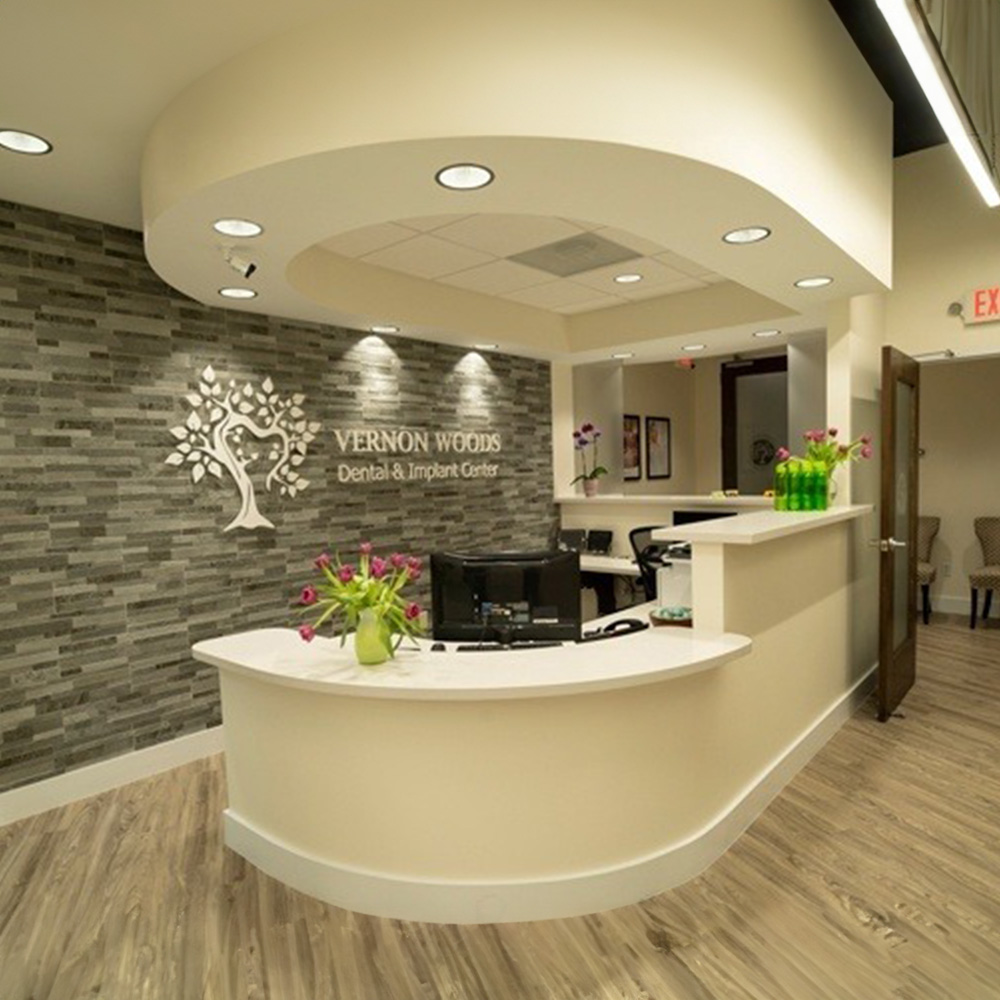
Ready to schedule your first visit and to join the Vernon Woods Dental & Implant Center family?
Scheduling your visit or getting answers to your questions is simple. The helpful team at Vernon Woods Dental & Implant Center is here to assist you! We can easily help you book appointments, explain treatment details, and address any concerns you have. Connect with us however you prefer—by phone or our quick online form. Don't delay your smile goals; contact us today and experience the comfort and confidence that personalized dental care provides.

Back to top
