

Invisible, flexible, and rooted in precise digital planning, Invisalign® aligners provide a contemporary way to straighten teeth without the visibility and inconvenience of traditional brackets and wires. Designed for adults and image-conscious teens, these clear aligners let you move toward a healthier bite and a more confident smile while keeping everyday life largely unchanged.

Invisalign® for Teens

Invisalign® for Brides

Invisalign® for Travelers
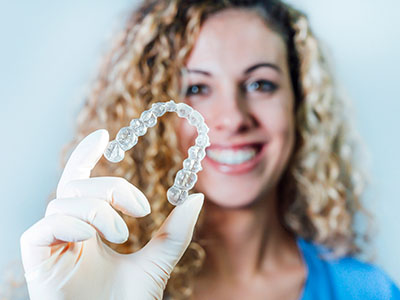
Before & After Photos
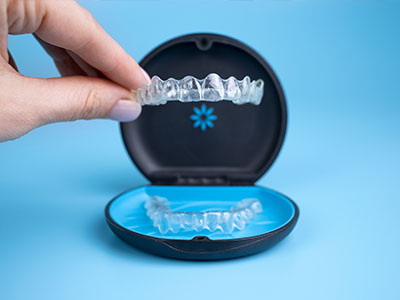
Invisalign® Videos
FAQs
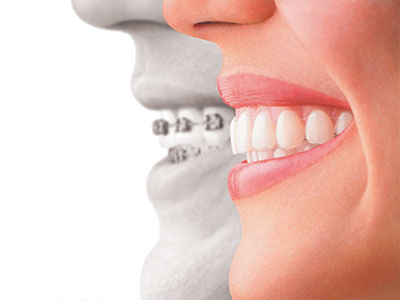
Invisalign® vs Braces
Invisalign® vs Direct-To-Consumer Aligners
Is Invisalign® Right For Me?

Invisalign® Costs
Clear aligner therapy has shifted public expectations about orthodontics. Rather than accepting a lengthy phase of conspicuous metal hardware, many people now seek a solution that blends into their routine and appearance. The discreet nature of clear aligners reduces the social friction some people associate with treatment, while still delivering predictable tooth movement when worn as directed.
Beyond cosmetics, aligners are engineered to be comfortable and hygienic. Removability means you can brush and floss normally, which helps maintain gum health and reduces the risk of staining commonly associated with fixed appliances. For patients who travel or work in public-facing roles, the ability to remove aligners for short periods is particularly valuable.
Because every set is manufactured to a precise 3-D plan, modern aligner systems can target many of the same alignment and bite issues that traditional braces address. That said, careful treatment planning with a skilled dental professional remains essential to determine whether aligners are the best option for an individual’s oral health goals.
Treatment begins with a comprehensive clinical evaluation and a detailed digital record of the mouth. A high-resolution scan or precise impressions capture tooth position, occlusion, and spacing, and these data form the foundation of a computer-generated treatment plan. From there, a step-by-step sequence is mapped out to guide teeth into their intended positions.
Each aligner in the series applies light, continuous forces to targeted teeth; after a prescribed wear period, the patient switches to the next tray in the sequence. This staged approach allows clinicians to anticipate and monitor tooth movement over time. Regular check-ins give your provider the opportunity to confirm progress and make small adjustments if necessary.
Because the process relies on advanced imaging and manufacturing, your provider can often show a visual simulation of expected outcomes before treatment begins. This preview helps set realistic expectations and supports an informed decision-making process tailored to your dental health and cosmetic goals.

An effective aligner plan starts with a thorough clinical exam. During your consultation we evaluate tooth alignment, bite relationships, gum health, and any restorative work that might influence movement. Identifying these factors up front allows the care team to design a treatment path that is safe, efficient, and appropriate for your mouth.
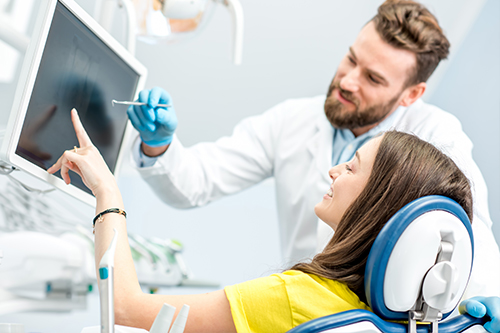
The digital scan is the blueprint for your treatment. Modern intraoral scanners capture a complete, three-dimensional model of your teeth and bite in minutes, eliminating much of the discomfort associated with traditional impressions. This digital record is used to visualize every phase of movement from start to finish.
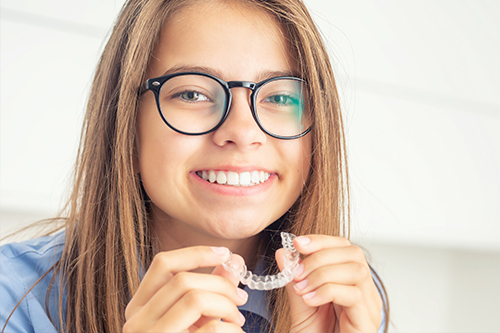
Successful aligner treatment depends on consistent wear. Most protocols call for aligners to be worn for the majority of the day, removed only for eating, drinking (except water), and oral care. Establishing a routine—such as putting trays back in immediately after meals—helps maintain momentum toward the treatment goals.

Although aligners offer convenience, professional oversight is essential to a successful outcome. Periodic visits allow your provider to confirm that teeth are responding as planned and to check the health of gums and supporting tissues. These appointments also provide opportunities to make minor refinements when necessary.
Choosing a clear aligner system is a collaboration between you and a trained clinician. When you work with a team that emphasizes careful assessment, precise digital planning, and attentive follow-up, aligners can deliver predictable improvements in alignment while supporting overall oral health. If you’re curious about whether Invisalign® fits your needs, a professional evaluation is the best place to begin.
For patients in the Sandy Springs area seeking experienced, patient-centered care, Vernon Woods Dental & Implant Center offers personalized aligner planning and ongoing clinical supervision. Contact us to learn more about how clear aligner therapy can be integrated into your dental care plan and to arrange a consultation.
Explore the true stories and journeys of several Invisalign® patients
*Invisalign® is a registered trademark of Align Technology, Inc.
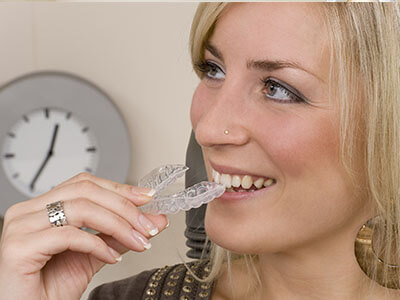

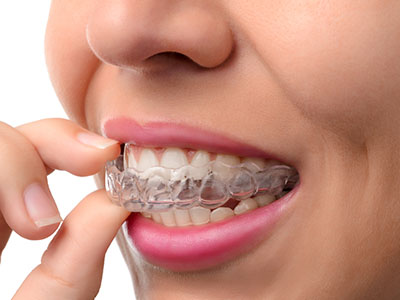
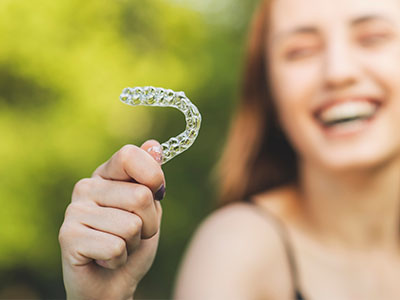
Invisalign® is a clear aligner system that straightens teeth using a series of removable, custom-made trays. Each tray is designed to apply gentle, controlled forces to specific teeth and is worn for a prescribed period before switching to the next tray. The process relies on precise digital planning so tooth movements can be predicted and staged for predictable outcomes.
Treatment progresses through consecutive aligners that incrementally guide teeth toward the planned positions, and patients typically change trays at regular intervals as directed by their clinician. Regular professional monitoring ensures movements stay on track and allows for refinements if the response differs from the simulation. Because aligners are removable, routine oral hygiene is simpler during treatment, which supports gum health while teeth move.
Many adults and image-conscious teens are good candidates for Invisalign® because the aligners are discreet and removable. The system effectively treats a range of common alignment issues such as mild to moderate crowding and spacing. Adequate oral health—healthy gums and no untreated decay—is an important prerequisite before beginning aligner therapy.
Complex bite problems or significant jaw discrepancies may require additional orthodontic or surgical approaches, so a thorough clinical evaluation is necessary. In some cases providers use attachments, interproximal reduction, or auxiliaries to expand the types of tooth movements that aligners can accomplish. A trained clinician will determine candidacy by reviewing dental records, scans, and the patient’s treatment goals.
Treatment duration varies with the complexity of the case and patient compliance, but many adult patients complete active aligner therapy within six to 18 months. Shorter cases focused on minor alignment changes can finish in a few months, while broader bite corrections often take longer. The clinician provides an individualized timeline during the planning phase so patients understand the expected course.
Consistent wear—generally most of the day except for meals and oral care—is a key factor in meeting projected timelines. Periodic check-ins let the provider confirm progress and, when necessary, order refinements or additional aligners to reach the desired outcome. Once active treatment is complete, a retention plan using retainers helps preserve results and prevent relapse.
Remove aligners for eating and for drinking anything other than water to avoid staining and distortion, and rinse them with lukewarm water each time you take them out. Gently brushing trays with a soft toothbrush and clear, mild soap helps remove debris; avoid hot water which can warp the plastic. Some clinicians recommend occasional use of a manufacturer-approved cleaner or a denture-cleaning soak to maintain clarity and hygiene.
Always brush and floss your teeth before reinserting aligners to minimize trapped bacteria and reduce the risk of decay or gum irritation. Store aligners in their protective case when not in use to prevent loss or damage and to keep them sanitary. If an aligner becomes cloudy, develops an odor, or shows signs of damage, contact your provider for guidance on cleaning or replacement.
Most patients experience a short adjustment period during which a mild lisp or slight change in speech may occur, but this typically resolves within a few days as the tongue adapts. Aligners are crafted from smooth, low-profile plastic that minimizes irritation to lips and cheeks compared with metal brackets. Comfort tends to improve quickly, and many people find them unobtrusive once they become accustomed to wearing the trays.
Some soreness or pressure is normal when switching to a new aligner, since each tray is designed to move teeth incrementally. This transient discomfort generally subsides within a few days and can be managed with simple measures such as soft foods and rest. If persistent pain or sharp discomfort occurs, patients should contact their clinician to check fit and progress.
Invisalign® can address many common orthodontic concerns, including crowding, spacing, mild to moderate overbite and underbite, and certain crossbites and open bites. Clear aligners are particularly effective for cases where tooth movement can be achieved through controlled crown tipping and rotations. Attachments and precision cuts can be incorporated into the plan to help the aligners accomplish more complex movements.
Severe skeletal discrepancies, large jaw asymmetries, or cases requiring major tooth extrusion or intrusion may be better served by traditional orthodontics or combined surgical approaches. A thorough assessment by your dental team determines whether aligners alone are appropriate or whether a hybrid treatment approach is necessary. The goal is to match the chosen system to the clinical needs while prioritizing long-term oral health and function.
Treatment planning begins with a high-resolution digital scan that captures the precise position of teeth and bite relationships, forming the basis for a three-dimensional treatment simulation. Using this simulation the clinician maps each stage of movement, which produces a sequenced set of aligners tailored to the patient’s anatomy and goals. This digital workflow allows patients to preview expected outcomes and helps the care team anticipate potential challenges before treatment begins.
Throughout treatment, progress is monitored with scheduled clinical visits and, when indicated, updated scans or photographs to verify that teeth are moving as planned. If the response differs from the simulation, the clinician can prescribe refinements or additional aligners to fine-tune results. Maintaining professional oversight ensures both the effectiveness and safety of the treatment process.
Yes. Routine dental exams and professional cleanings remain essential during aligner therapy to monitor gum health and detect any dental issues early. Because aligners are removable, patients can maintain good oral hygiene more easily by brushing and flossing without obstruction from brackets or wires. Keeping up with preventive care supports successful orthodontic outcomes and reduces the risk of cavities or periodontal problems during treatment.
Your provider will schedule periodic check-ins to review tooth movement and the health of supporting tissues, and they may recommend more frequent hygiene visits if needed. Promptly reporting sensitivity, bleeding, or other oral concerns helps the team address issues before they affect treatment progress. Coordination between your dentist and the aligner provider ensures comprehensive care throughout the course of therapy.
Losing or damaging an aligner is a common issue, and the first step is to contact your treating provider for guidance on the appropriate next moves. In many cases the clinician will advise returning to the previous tray or moving to the next tray temporarily, depending on the stage of treatment and how long you will be without the replacement. Timely communication helps prevent unintended tooth movement and keeps the treatment on track.
Providers can order replacement aligners from the manufacturer when necessary, and some clinics keep spare sets to reduce delays. Follow your clinician’s instructions for wear while awaiting a replacement, and attend any recommended check-ins so the team can assess whether adjustments to the plan are required. Documenting the incident and following professional advice minimizes disruption and supports predictable outcomes.
To begin, schedule a consultation in Sandy Springs so the dental team can perform a comprehensive oral exam and discuss your cosmetic and functional goals. During the visit the clinician will review your dental history, assess gum and tooth health, and capture a digital scan to create a personalized treatment plan. This evaluation establishes whether Invisalign® is an appropriate option and frames the expected sequence of care.
If you proceed, the practice will use digital planning to simulate outcomes and outline the recommended wear schedule and follow-up visits. The team emphasizes professional oversight and clear communication so you understand each phase of treatment and what to expect during monitoring and retention. Vernon Woods Dental & Implant Center combines modern technology with experienced clinical supervision to develop individualized aligner plans that prioritize long-term oral health.

Ready to schedule your first visit and to join the Vernon Woods Dental & Implant Center family?
Scheduling your visit or getting answers to your questions is simple. The helpful team at Vernon Woods Dental & Implant Center is here to assist you! We can easily help you book appointments, explain treatment details, and address any concerns you have. Connect with us however you prefer—by phone or our quick online form. Don't delay your smile goals; contact us today and experience the comfort and confidence that personalized dental care provides.

Back to top