

Missing teeth affect more than appearance — they change how you eat, speak, and how your jaw ages over time. For many patients, dental implants offer a durable, biologically sound solution that restores function while protecting the surrounding teeth and bone. Implants integrate with the jaw to provide a foundation that behaves much like a natural tooth root, which is why so many clinicians recommend them when long-term stability and comfort are priorities.
Implant treatment is adaptable: it can replace a single tooth, span several missing teeth without altering healthy neighbors, or support an entire arch of prosthetic teeth. That flexibility means treatment can be tailored to each patient’s anatomy, health status, and aesthetic goals. Modern implant dentistry blends restorative planning, digital imaging, and precision laboratory work to achieve outcomes that look natural and feel secure.
When considering implants, patients benefit from a thoughtful evaluation that weighs overall oral health, bone quantity, and lifestyle. A carefully planned implant restoration can preserve facial structure, reduce the risk of future tooth movement, and allow patients to eat and speak with confidence again. At Vernon Woods Dental & Implant Center, the focus is on creating predictable, lasting results that meet each patient’s expectations.

A dental implant is more than a replacement crown — it’s a multipart system designed to restore the root and the visible tooth. The implant post, typically made from a biocompatible material, is placed in the jawbone and provides a stable anchor. After the post integrates with bone, a custom abutment and crown restore the visible portion, matching color, shape, and bite dynamics to the surrounding teeth.
Because implants transfer chewing forces into the bone, they help maintain jawbone volume better than removable dentures or traditional bridges. This preservation of bone supports facial structure and can prevent the sunken appearance that sometimes follows tooth loss. For patients seeking function, aesthetics, and long-term health, that bone-preserving quality is a major advantage.
The restorative phase — crafting and placing the crown, bridge, or denture — is as important as the surgical placement. Precision impressions (often digital), shade matching, and careful occlusion adjustment result in restorations that are comfortable, discreet, and durable. The result is a smile that looks natural and performs reliably for everyday activities like chewing and speaking.
Implant therapy begins with a comprehensive assessment to confirm suitability and to plan placement. That assessment often includes a review of medical and dental history, intraoral examination, and imaging such as cone beam CT scans to visualize bone volume and vital anatomy. This diagnostic work allows the care team to select the ideal implant position and size for long-term success.
Surgical placement is usually an outpatient procedure performed with local anesthesia and optional sedation. The implant is positioned in the jaw with careful attention to surrounding teeth and nerves. In many cases, bone grafting or ridge augmentation is performed beforehand or at the same appointment if the existing bone needs reinforcement to support the implant properly.
Following placement, the implant requires a period of healing during which it integrates with the surrounding bone — a process called osseointegration. Depending on the case, a temporary prosthesis may be provided during healing, with the final restoration delivered once integration is complete and tissue health is confirmed.
For a single missing tooth, an implant-supported crown replaces the tooth without altering adjacent healthy teeth. Unlike a traditional bridge that requires the preparation of neighboring teeth, a single implant stands on its own and preserves surrounding dental structure. This approach often yields a restoration that is indistinguishable from a natural tooth in appearance and function.
When two or more teeth are missing in a row, strategically placed implants can support a fixed bridge that restores the space without sacrificing nearby healthy teeth. Implant-supported bridges deliver the strength and bone stimulation of implants while offering a permanent, non-removable solution that closely mirrors a natural dental arch.
The best option depends on the number of missing teeth, bone availability, aesthetic goals, and patient preferences. Treatment plans are individualized so that each patient receives an approach that balances function, comfort, and appearance.
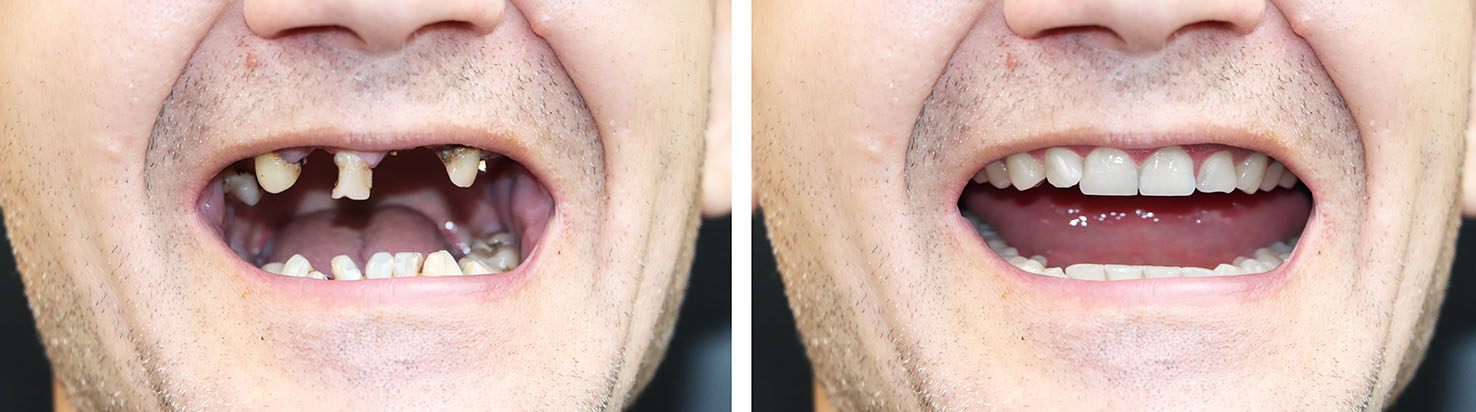
Candidacy for implants is based on general health, oral hygiene, and the quantity and quality of jawbone at the intended site. Many patients who once were told implants weren’t possible can now be treated thanks to advances in bone grafting and ridge augmentation. Smoking, uncontrolled systemic conditions, and certain medications can affect healing and are considered during the evaluation.
Bone grafting is a predictable technique used to rebuild bone that has been lost to extraction, periodontal disease, or long-standing tooth absence. Grafts can be placed at the time of extraction or as a preparatory procedure before implant placement. By restoring the bone volume, grafting creates a stable foundation for the implant and improves the aesthetic result.
Digital tools and three-dimensional imaging make it easier to visualize graft needs and plan precise implant placement. This planning helps minimize surprises and contributes to more predictable outcomes, giving patients the best chance for a long-lasting restoration.
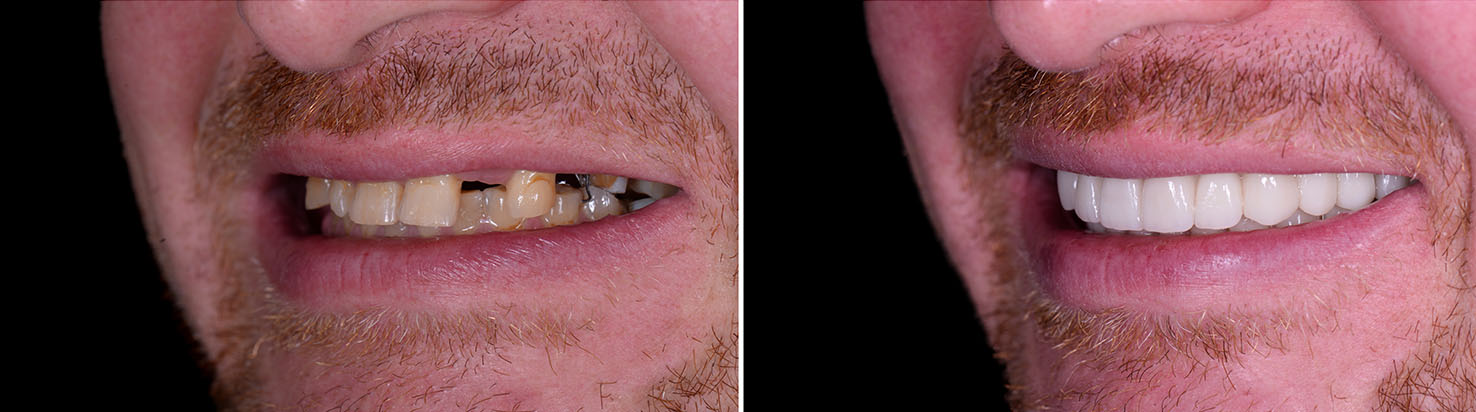
After implant placement, patients typically experience a period of mild to moderate soreness that resolves over days to weeks. Following post-operative instructions — including rest, oral hygiene adjustments, and any prescribed medications — supports healing. Regular follow-up appointments allow the provider to evaluate integration and plan the restorative phase when the implant is ready.
Long-term success depends on routine care: good home hygiene, regular dental visits, and professional cleanings. Because implants do not decay like natural teeth, problems most often arise from surrounding gum inflammation or mechanical issues with prosthetic components. Early detection and timely maintenance treatments help preserve implant health and function for many years.
With careful planning, consistent oral care, and periodic professional evaluations, implants are a reliable choice for patients seeking a durable and natural-feeling solution for missing teeth. The long-term benefits include improved chewing efficiency, better speech, and preservation of facial structure.
Choosing implant therapy is an important decision that begins with an informed conversation about goals and expectations. Our team tailors treatment plans to each patient’s unique situation, combining clinical expertise with modern diagnostics to arrive at a sensible, personalized approach. If you’d like to learn more about how implant dentistry can restore your smile, please contact us for additional information or to schedule a consultation.


A dental implant is a small biocompatible post placed in the jawbone that serves as an artificial tooth root. After placement the implant fuses with bone through a process called osseointegration, creating a stable foundation for a restoration. A custom abutment and crown or other prosthesis are then attached to restore the visible tooth.
Because implants transmit chewing forces into the bone they help preserve jaw volume and support facial structure. Implants mimic the mechanics of a natural tooth root, allowing patients to eat and speak with confidence. Modern implant systems are designed for durability and to integrate with restorative planning for a natural appearance.
Dental implants restore function by providing secure support for crowns, bridges, or full-arch prostheses so patients can chew and speak more naturally. They preserve adjacent teeth because implants do not require the preparation of neighboring tooth structure as traditional bridges often do. By transmitting forces into the jawbone, implants help maintain bone volume and facial contours over time.
Implant restorations are crafted to match surrounding teeth in shape and color, producing a discreet aesthetic result. Because implants replace the root as well as the crown they often feel more like a natural tooth and reduce movement compared with removable options. With appropriate care, implants offer a predictable long-term solution for many patterns of tooth loss.
Candidacy for implants depends on overall health, oral hygiene, and the quantity and quality of jawbone at the intended site. Many patients who were previously considered poor candidates can now be treated successfully thanks to modern bone grafting and ridge augmentation techniques. A thorough evaluation will consider medical history, current medications, and habits such as smoking that can affect healing.
Age alone is not typically a limiting factor; suitability is determined by biological and anatomical factors rather than chronological age. Patients with controlled systemic conditions who maintain good oral hygiene are often eligible for implant therapy. A diagnostic workup including imaging helps the care team determine the safest, most predictable path forward.
A consultation begins with a review of medical and dental history, an intraoral examination, and imaging such as a cone beam CT when indicated to visualize bone volume and vital anatomy. The provider will assess periodontal health, existing restorations, bite relationships, and any factors that could influence implant placement or long-term success. Patients should be ready to discuss medications, prior surgeries, and any systemic health concerns that could affect healing.
During the visit the team will outline possible treatment options, sequencing, and a realistic timeline for surgical and restorative phases. The consultation is also the time to discuss anesthesia and sedation preferences and to ask questions about expected outcomes and recovery. Clear communication at this stage helps create a personalized plan that aligns with the patient’s oral health and aesthetic goals.
Implant placement is typically performed as an outpatient procedure using local anesthesia with optional sedation according to patient needs. The clinician positions the implant in the jaw with careful attention to adjacent teeth, nerves, and sinus anatomy; bone grafting or ridge augmentation may be performed concurrently when necessary. Following surgery the implant enters a healing phase during which osseointegration occurs and bone remodels around the implant surface.
Patients commonly experience mild to moderate discomfort for a few days and are given post-operative care instructions to support healing. In many cases a temporary restoration can be provided for aesthetics and function while the implant integrates. Routine follow-up visits allow the team to monitor healing and proceed to the final restorative phase when tissue health and integration are confirmed.
A single missing tooth can often be restored with an implant-supported crown that stands independently and preserves adjacent natural teeth. When several teeth are missing in sequence, implant-supported bridges use strategically placed implants to support a fixed restoration without preparing neighboring teeth. These fixed options provide strong, permanent function and closely replicate the appearance and mechanics of natural dentition.
For patients missing most or all teeth, full-arch restorations anchored by four to six implants can recreate a stable bite and are available in immediate-load or staged protocols depending on case specifics. Implant-retained removable prostheses are another option for patients who prefer a removable appliance that attaches securely to implants for improved stability. Treatment is individualized to balance aesthetics, function, bone availability, and patient preferences.
Bone grafting is used when existing jawbone lacks the volume or quality needed to support an implant securely, which can result from long-standing tooth loss, infection, or resorption after extractions. Grafts may be placed at the time of extraction for socket preservation or performed as a preparatory procedure prior to implant placement to rebuild deficient areas. Materials and techniques vary, including autograft, allograft, xenograft, and synthetic options chosen to match clinical goals.
Grafting promotes a stable foundation for implant integration and can improve both functional and aesthetic outcomes by restoring natural contours. Healing times depend on the extent of grafting and individual biology but are planned into the overall treatment timeline. With careful planning and modern digital imaging, grafting is a predictable way to expand the pool of patients who can successfully receive implants.
Dental implant therapy has a high success rate, but like all surgical procedures it carries potential risks such as infection, delayed healing, nerve irritation, sinus involvement in the upper jaw, and mechanical issues with prosthetic components. Risk is influenced by systemic health, smoking, oral hygiene, bone quality, and surgical complexity. Thorough preoperative planning and three-dimensional imaging reduce the likelihood of intraoperative surprises and help avoid anatomic complications.
When complications arise they are typically managed with timely intervention, which may include antibiotics for infection, revision of the prosthetic component, additional grafting, or in rare cases removal and replacement of an implant. Long-term monitoring and early detection of peri-implant inflammation allow for conservative treatments that preserve implant function. Open communication with the care team ensures that any issues are addressed promptly and appropriately.
Long-term implant success depends on diligent home care and regular professional maintenance. Patients should brush twice daily with a nonabrasive toothpaste, clean interdental spaces around implants using floss or interdental brushes recommended by the clinician, and avoid tobacco use to support healing and tissue health. Good oral hygiene reduces the risk of peri-implant mucositis and peri-implantitis, conditions that can compromise implant stability if left untreated.
Routine dental visits for professional cleanings and periodic radiographic or clinical evaluations are important to monitor bone levels and prosthetic integrity. Protecting implants from excessive occlusal forces through occlusal adjustment or night guards when indicated helps prevent mechanical complications. Prompt attention to any soreness, swelling, or mobility gives the clinical team the best chance to intervene early and preserve the restoration.
To explore implant options patients can request a consultation where the team will perform a comprehensive evaluation, review imaging, and discuss personalized treatment plans and timelines. Bring a list of current medications and any relevant medical history to the visit so the clinician can assess factors that affect healing and candidacy. The consultation will cover diagnostic steps, surgical and restorative phases, and what to expect during recovery.
If you would like to arrange an appointment please contact Vernon Woods Dental & Implant Center to speak with a member of the team who can help you book a consultation and explain next steps. The goal of the visit is to provide clear, evidence-based options and to create a tailored plan that meets your functional and aesthetic goals. Patients are encouraged to prepare questions in advance so the consultation addresses their priorities and concerns.

Ready to schedule your first visit and to join the Vernon Woods Dental & Implant Center family?
Scheduling your visit or getting answers to your questions is simple. The helpful team at Vernon Woods Dental & Implant Center is here to assist you! We can easily help you book appointments, explain treatment details, and address any concerns you have. Connect with us however you prefer—by phone or our quick online form. Don't delay your smile goals; contact us today and experience the comfort and confidence that personalized dental care provides.
Back to top