

If multiple dental problems have left your smile uncomfortable, unstable, or difficult to maintain, full mouth reconstruction offers a path to restore both form and function. This comprehensive approach combines restorative, cosmetic, and surgical treatments to rebuild the teeth, supporting tissues, and bite so patients can eat, speak, and smile with confidence. Our goal is to create a healthy, predictable result tailored to each person’s unique needs and lifestyle.
Full mouth reconstruction is not a single procedure but a coordinated plan that addresses widespread oral health issues across the entire mouth. Rather than fixing one tooth at a time, the process evaluates how the teeth, gums, jaws, and bite work together and then applies multiple therapies to restore balance. Success depends on carefully sequencing treatments so that the final result is durable, comfortable, and harmonious with the rest of the face.
Unlike elective cosmetic work that focuses mainly on appearance, reconstruction prioritizes function first — relieving pain, restoring chewing efficiency, and protecting oral tissues — while achieving pleasing esthetic outcomes. By combining restorative crowns and bridges, implant solutions, periodontal therapy, and sometimes orthodontics or occlusal rehabilitation, the treatment plan is built to address the root causes of failure, not just the visible symptoms.
Because each patient’s pattern of dental problems is different, the term “full mouth reconstruction” covers a wide range of therapies and timelines. Careful diagnosis and planning reduce surprises and help patients understand the sequence of treatments, realistic expectations, and the milestones along the way.
Candidates are typically people with multiple unresolved dental issues that affect both appearance and function. Common indications include extensive tooth loss, severe wear from grinding, large areas of decay or failing restorations, chronic periodontal disease, and traumatic injury. Some patients also present with developmental conditions or medical histories that have compromised tooth structure across several areas of the mouth.
Age alone is not a determining factor; rather, the decision is based on oral health status, medical considerations, and the patient’s goals. Patients who struggle with chewing, experience chronic pain or sensitivity, or are embarrassed by the appearance of their teeth often benefit from a full evaluation to determine whether reconstruction can improve quality of life.
Because reconstruction may touch multiple specialties — restorative dentistry, periodontics, oral surgery, and orthodontics — appropriate candidates are those willing to participate in a team-based approach. This collaboration ensures complex problems such as bone loss, bite collapse, or missing teeth are managed comprehensively for long-term success.
Every reconstruction starts with a thorough diagnostic phase. This typically includes detailed dental charting, digital radiographs or CBCT imaging, intraoral scans or impressions, and an assessment of the bite and jaw joints. Photographs and diagnostic wax-ups or mock-ups help visualize the intended outcome so patients can see proposed changes before irreversible work begins.
At this stage we also look for contributing factors such as bruxism, periodontal pockets, or systemic health issues that require attention before final restorations. When necessary, the plan is coordinated with specialists — for example, a periodontist for gum surgery or a surgeon for bone grafting and implant placement — ensuring each step supports the next.
The treatment is then organized into phases: stabilization (addressing infections and urgent needs), structural rebuilding (restorations, implants, or prosthetics), and refinement (occlusal adjustment and cosmetic finishing). Staging care in this way keeps appointments focused and manageable while protecting the investment in the final restorations. Our team at Vernon Woods Dental & Implant Center emphasizes clear communication so patients understand the timeline, milestones, and what to expect during recovery.
Patient involvement is essential. We review options, materials, and anticipated outcomes, and we adapt plans around health, comfort preferences, and practical considerations. This collaborative planning helps ensure the final result not only performs well but also fits a patient’s aesthetic and lifestyle goals.
Full mouth reconstruction can involve a combination of proven restorative techniques and advanced technology. Crowns and fixed bridges remain foundational tools for restoring tooth form and function, while dental implants replace missing roots and provide stable support for prosthetic teeth. For patients with significant tooth loss, implant-retained dentures or All-on-4/All-on-6 solutions can restore chewing function with fewer individual implants.
Periodontal therapy — scaling and root planing, soft-tissue grafting, and pocket reduction — is often required to create a healthy tissue foundation. When bone volume is insufficient for implants, bone grafting and guided bone regeneration help rebuild support. Endodontic treatment (root canal therapy) lets natural teeth remain functional when the nerve has been compromised, and orthodontics can be used when tooth positions or bite relationships need correction prior to restorative work.
Digital tools such as 3D imaging, CAD/CAM design, and digital impressions improve precision and reduce guesswork. These technologies enable accurate surgical guides for implants, well-fitting provisional restorations for evaluation, and laboratory-fabricated crowns and veneers that match shade and form. Wherever possible, minimally invasive strategies are preferred to preserve natural tooth structure and promote faster recovery.
Sedation and comfort-focused options are available for anxious or lengthy procedures. The clinical team plans each appointment with patient comfort and safety in mind so complex care can be completed efficiently while minimizing stress.
Recovery timelines vary depending on the procedures performed. Simple restorative appointments often require minimal downtime, while surgical interventions such as implant placement or grafting involve a healing period measured in weeks to months. Clear post-operative instructions, appropriate pain management, and scheduled follow-up visits are essential to monitor healing and to sequence subsequent phases of reconstruction safely.
Long-term success depends heavily on routine maintenance. Patients are encouraged to establish a consistent home-care routine and to keep regular professional cleanings and check-ups. For those with a history of bruxism, night guards and occlusal adjustments help protect new restorations. Periodic imaging and clinical exams allow the clinical team to detect early changes and intervene before small issues become larger problems.
When restoration longevity is a priority, material selection and prosthetic design are tailored to each patient. High-quality ceramics and implant components, combined with meticulous technique, can provide many years of reliable function. The practice also emphasizes preventive strategies to minimize future disease and preserve the investment in restorative work.
Ultimately, the aim of full mouth reconstruction is to deliver a stable, comfortable, and attractive smile that supports overall health and quality of life. With careful planning, skilled execution, and ongoing maintenance, patients can expect meaningful improvements in appearance, function, and confidence.
If you would like to learn whether full mouth reconstruction is the right path for you, please contact our office for more information and to arrange a comprehensive evaluation.


Full mouth reconstruction is a comprehensive treatment approach that restores the teeth, gums, and bite to improve function, comfort and appearance. It combines restorative, periodontal, endodontic, orthodontic and surgical procedures as needed to address widespread dental problems rather than treating individual teeth in isolation. The primary focus is on creating a stable, balanced bite and a healthy oral environment that supports long-term results.
Because reconstruction addresses both form and function, clinicians plan care so each step supports the next and protects the final restorations. Diagnostic tools such as digital radiographs, CBCT scans and intraoral scans are commonly used to map the extent of disease and plan precise treatment. The outcome is individualized and designed to restore chewing efficiency, relieve pain and provide an esthetic result that fits the patient’s facial proportions.
Good candidates are patients with multiple, interrelated dental issues that compromise bite, tooth structure or oral health, such as extensive tooth loss, severe wear from grinding, failing restorations or advanced periodontal disease. Age alone is not a limiting factor; candidacy is determined by overall oral health, medical history and realistic treatment goals. Patients who experience chronic sensitivity, chewing difficulty or pain, or who have a collapsed bite benefit from a thorough evaluation to determine whether reconstruction is appropriate.
Because treatment often requires coordination across specialties, ideal candidates are willing to follow a team-based plan that may include periodontics, oral surgery and orthodontics. A comprehensive diagnostic workup identifies contributing factors such as bruxism or systemic conditions that must be addressed before final restorations. Informed patient participation and clear communication about timelines and milestones improve the likelihood of a successful outcome.
Planning begins with a detailed diagnostic phase that includes dental charting, high-resolution imaging, joint and bite analysis, and clinical photographs or digital impressions. Using these records, clinicians create diagnostic wax-ups or digital mock-ups to visualize proposed changes and to sequence treatment so that provisional restorations, surgical procedures and final prosthetics align. This diagnostic-first approach helps clinicians anticipate challenges and minimize surprises during treatment.
When indicated, the plan is coordinated with specialists for periodontal therapy, bone grafting, implant placement or orthodontic correction so each phase prepares the mouth for the next step. Treatment is typically staged into stabilization, structural rebuilding and refinement, with clear goals for each phase and scheduled reassessments. Patient education about materials, timelines and expected outcomes is emphasized so care decisions reflect the patient’s functional needs and esthetic preferences.
Reconstruction commonly incorporates crowns and fixed bridges to restore damaged teeth, dental implants to replace missing roots, and implant-supported dentures for extensive tooth loss. Periodontal treatments such as scaling and root planing, soft-tissue grafting and pocket reduction are used to create a healthy tissue foundation, while bone grafting restores volume when implant placement requires additional support. Endodontic therapy preserves teeth with compromised pulp, and orthodontics can reposition teeth to create ideal restorative relationships when necessary.
Digital workflows such as CAD/CAM design, 3D imaging and guided surgery increase precision for implant placement and prosthetic fabrication, improving fit and function. Provisional restorations are frequently used to test occlusion, esthetics and phonetics before definitive work is completed. Minimally invasive techniques are preferred whenever possible to preserve natural tooth structure and to promote faster healing.
The timeline for full mouth reconstruction varies widely depending on the procedures required and the patient’s healing response; some cases can be completed in a few months while complex reconstructions may take a year or more. Surgical procedures such as bone grafting and implant placement require healing periods measured in weeks to months before final prosthetics can be attached. Restorative phases and refinements are scheduled after adequate tissue healing and occlusal stability have been confirmed.
Clinicians build a phased schedule that balances efficient progress with biological healing and patient convenience, and they provide clear milestones so patients understand when major transitions will occur. Regular reassessments between phases ensure that unexpected issues are addressed early and that the plan remains appropriate. Open communication about timing helps patients plan for appointments and recovery intervals without unnecessary delays.
Dental implants serve as artificial tooth roots that provide stable support for single crowns, bridges or full-arch prostheses and are often central to modern reconstruction strategies. Implants preserve jawbone by transmitting functional forces to the bone, which helps maintain facial structure and long-term prosthetic stability. In cases of extensive tooth loss, implant-supported solutions such as All-on-4 or All-on-6 can restore chewing ability with fewer individual implants while offering improved retention and comfort compared with conventional dentures.
Successful implant therapy depends on adequate bone volume and healthy soft tissues, so clinicians may perform ridge augmentation or soft-tissue grafting when necessary to create a predictable foundation. Digital planning and surgical guides enhance accuracy of implant placement and prosthetic outcomes. Long-term implant success also relies on regular maintenance, good oral hygiene and management of risk factors such as periodontal disease or bruxism.
Clinics commonly offer a range of comfort-focused measures, from local anesthesia and careful technique to oral conscious sedation or nitrous oxide for anxious patients undergoing longer procedures. Thorough preoperative communication and stepwise treatment planning reduce uncertainty and help patients understand what to expect during each appointment. The clinical team schedules procedures to minimize discomfort and to allow appropriate recovery time between phases.
During surgical or lengthy restorative visits, providers monitor vital signs and use gentler surgical approaches and effective pain control strategies to enhance safety and reduce postoperative discomfort. Postoperative instructions and timely follow-up appointments help patients manage pain and identify any concerns early. For patients with dental fear, desensitization strategies and clear, empathetic communication contribute to a more positive treatment experience.
Recovery depends on the type and extent of procedures performed; simple restorative visits often require minimal downtime while surgical interventions such as grafting or implant placement involve staged healing and temporary dietary modifications. Patients receive tailored postoperative instructions addressing pain control, oral hygiene and activity limitations, and follow-up visits are scheduled to monitor healing and to sequence subsequent treatment. Compliance with care instructions and attendance at follow-up appointments are critical to achieving predictable outcomes.
Long-term success requires ongoing maintenance that includes consistent home care, regular professional cleanings and periodic imaging to detect early changes. For patients who grind their teeth, night guards and occlusal monitoring help protect restorations from excessive wear. Material selection, prosthetic design and routine reassessment by the dental team all contribute to preserving the investment in restorative care over many years.
Thorough diagnostics and staged treatment planning reduce the likelihood of surprises, but when unexpected findings occur the clinical team reassesses the plan and adapts treatments to protect long-term goals. Common responses include additional imaging, temporary stabilization with provisional restorations, and consultation with specialists to manage issues such as bone deficiency or infection. Prompt, conservative management helps limit the impact on subsequent phases and the final outcome.
Open communication with the patient is emphasized so decisions reflect clinical necessity and the patient’s preferences, and contingency options are discussed before irreversible work begins. The goal is to resolve complications with approaches that support durable, functional restorations while minimizing additional procedures. Regular monitoring after each phase allows early detection and intervention if problems arise.
To explore whether full mouth reconstruction is appropriate, request a comprehensive evaluation that includes a clinical exam and diagnostic imaging so a personalized treatment plan can be developed. Our office in Sandy Springs provides multidisciplinary care and coordinates with specialists when necessary to ensure each phase supports the next and optimizes outcomes. During the consultation the team will review your medical and dental history, discuss treatment goals and explain the diagnostic steps used to create a staged plan.
If you would like to schedule an evaluation, contact Vernon Woods Dental & Implant Center to arrange an appointment with Dr. Kathleen Tantuco or Dr. Woojae Chong and to receive information about the diagnostic process. The consultation is an opportunity to review options, ask questions about materials and techniques, and establish a timeline that fits your needs. Clear communication and a collaborative approach help ensure your plan is tailored to both health and esthetic priorities.
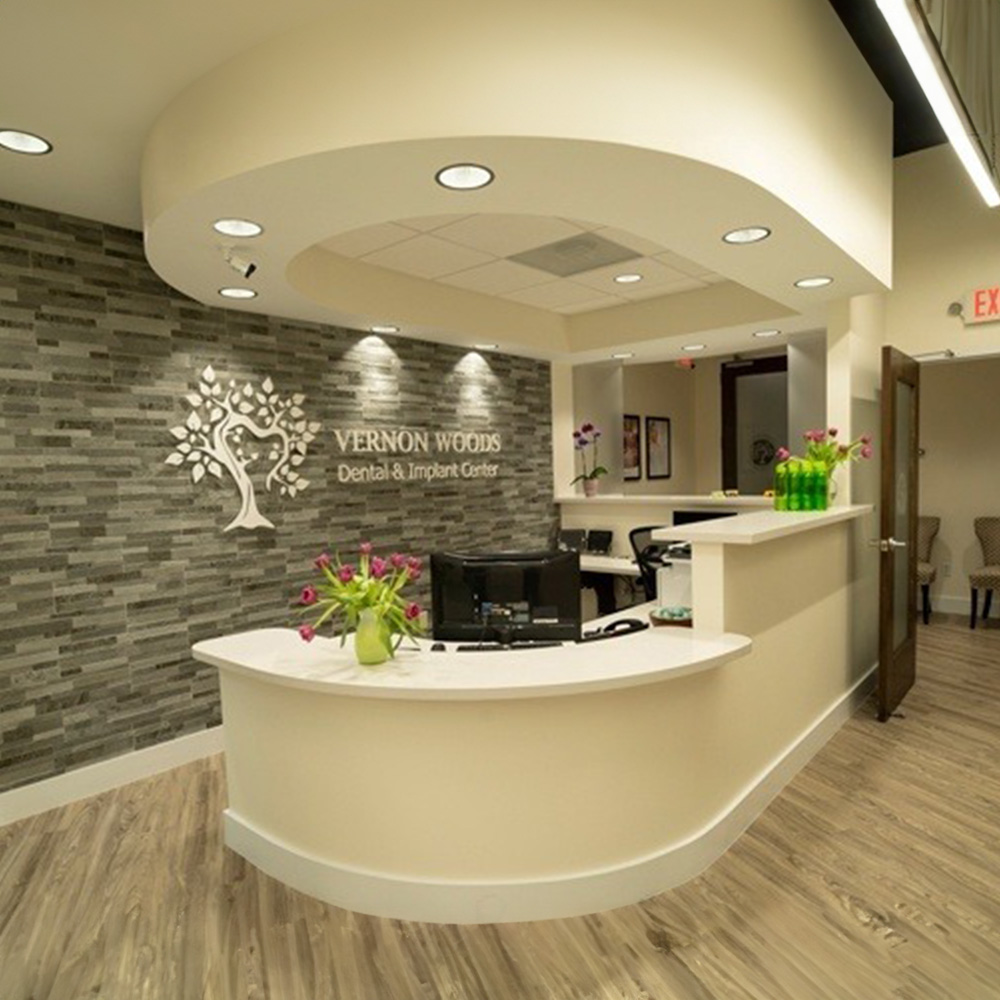
Ready to schedule your first visit and to join the Vernon Woods Dental & Implant Center family?
Scheduling your visit or getting answers to your questions is simple. The helpful team at Vernon Woods Dental & Implant Center is here to assist you! We can easily help you book appointments, explain treatment details, and address any concerns you have. Connect with us however you prefer—by phone or our quick online form. Don't delay your smile goals; contact us today and experience the comfort and confidence that personalized dental care provides.

Back to top