

Having a tooth taken out can feel intimidating, but knowing the reasons behind the recommendation and how the process works helps many patients feel calmer and better prepared. Our team places a strong emphasis on clear communication: we explain why an extraction is suggested, review your health history, and outline what to expect during and after the appointment. This approach lets you make informed decisions while we focus on your safety and comfort.
Extractions are recommended when preserving a natural tooth would cause ongoing pain, infection, or harm to neighboring teeth and tissues. In children, the removal of a troublesome baby tooth may be needed to allow normal development of the adult tooth beneath it. For adults, an extraction can be the safest route when a tooth is badly damaged or the surrounding support structures are failing.
Before any procedure, we’ll walk through alternatives, if any exist, and discuss replacement options that protect function and appearance once healing is complete. Our goal is to preserve oral health while minimizing disruption to your daily life.
Baby teeth that remain firmly in place or are severely decayed
Most children's primary teeth fall out on schedule, but sometimes a baby tooth stays anchored to the bone and prevents the adult tooth from erupting. In those situations we may recommend extraction to allow the permanent tooth to come in correctly and avoid orthodontic complications later.
Permanently damaged or extensively decayed teeth that cannot be restored
When decay or structural loss reaches a point where a crown or filling would not provide a reliable long-term result, removing the tooth can eliminate infection and stop damage from spreading. Extraction removes the source of pain and infection and creates a healthier foundation for future restorative care.
Teeth with significant fractures or root compromise
Cracks and fractures vary widely. When a fracture extends into the root or the remaining tooth structure is insufficient to support a restoration, extraction may be the most predictable option to prevent repeated complications and discomfort.
Advanced periodontal (gum) disease affecting tooth support
Severe gum disease destroys the soft tissues and bone that hold teeth in place. When a tooth is so loose or the supporting structures so compromised that stability cannot be restored, extracting the tooth can help control the infection and protect neighboring teeth.
Wisdom teeth that are impacted, decayed, or causing crowding
Third molars often lack the space to erupt properly and can become impacted, infected, or damaging to adjacent teeth. Early evaluation helps determine whether removal now will prevent future problems.
Extractions as part of orthodontic planning
In certain cases, removing one or more adult teeth is the most effective way to create room and achieve a balanced, functional bite. When extractions are part of an orthodontic plan, we coordinate care closely with your orthodontist to support predictable outcomes.

Safety and planning are the cornerstones of any extraction. At your consultation we’ll review your medical history, current medications, and any conditions that could affect treatment. Accurate medical information helps us tailor the procedure and determine if any medical clearance or temporary medication adjustments are needed before surgery.
Diagnostics such as digital radiographs allow us to assess tooth root shape, the proximity of nearby nerves and sinuses, and the condition of surrounding bone. This imaging informs whether a straightforward extraction will suffice or if a surgical approach should be planned. We’ll explain those findings and answer your questions so you know exactly why a particular technique is recommended.
We also discuss comfort options. Local anesthesia numbs the area completely for most extractions; for patients with anxiety, more advanced options in dental sedation are available. Whatever approach you choose, our team focuses on maintaining a calm environment and managing pain effectively from the first appointment through recovery.
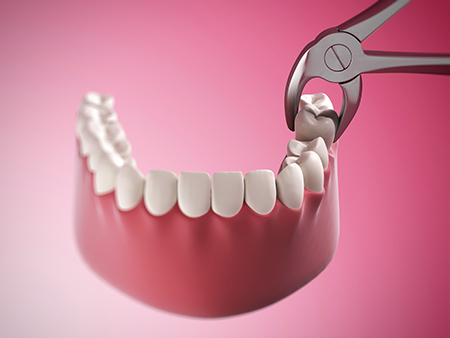
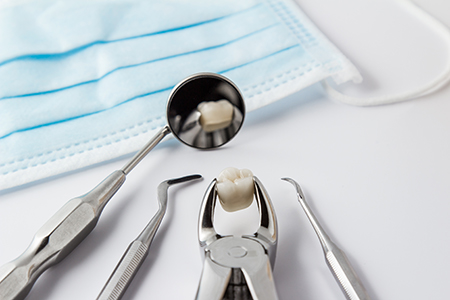
A simple extraction is performed on a tooth that is visible in the mouth and has a root structure that can be safely loosened and removed with forceps. After the area is numbed with local anesthetic, the practitioner gently loosens the tooth and removes it. The emphasis here is on efficient care with minimal tissue disruption so you can begin healing as soon as possible.
Although the steps are straightforward, we still take extra measures to keep you comfortable: we explain sensations to expect, monitor the entire procedure, and provide clear, easy-to-follow post-operative instructions tailored to your situation. Many patients are surprised at how quickly the process is completed and how manageable the recovery can be.
Surgical extractions are required when a tooth is broken below the gumline, impacted, ankylosed, or otherwise inaccessible with standard instruments. This procedure typically involves a small incision and, when necessary, the careful removal of a modest amount of bone to gain safe access to the tooth. The tooth may be removed in sections to minimize trauma to surrounding tissues.
Because surgical extractions are more involved, we plan them carefully and may refer to or collaborate with an oral surgeon for particularly complex situations. Local anesthetic is used in all cases, and dental sedation or other comfort measures are available depending on the case and patient preference. After the extraction, we close the site with careful technique to support predictable healing.
Recovery after an extraction is a gradual process; most people see steady improvement over the first week. We provide practical guidance to reduce discomfort, control swelling, and avoid complications. Simple self-care measures and attention to the instructions you receive will go a long way toward a smooth recovery.
It’s important to protect the blood clot that forms in the extraction socket because it is essential to healing. Avoid behaviors that can dislodge the clot—such as vigorous rinsing, using a straw, or smoking—until the site has had a chance to stabilize. Gentle oral hygiene and a soft-food diet for a few days are usually sufficient while tissue repairs begin.
If sutures are placed, they may be dissolvable or require a brief follow-up visit for removal; we’ll tell you which to expect. We also explain warning signs—such as persistent heavy bleeding, increasing pain after a few days, or fever—that indicate you should contact the office promptly so we can address complications early.
Apply gentle pressure with gauze
Bite on the supplied gauze as directed to help the socket clot. Change the gauze only when instructed and maintain pressure until bleeding slows. A small amount of blood-tinged saliva is common for the first day.
Protect numb tissues
Avoid chewing or touching the numb area until feeling returns to prevent accidental injury to lips, cheeks, or tongue.
Take prescribed medications correctly
If antibiotics are prescribed, complete the full course as directed. For discomfort, follow instructions for over-the-counter or prescription pain relievers and take medication before the numbing completely wears off to stay ahead of pain.
Protect the healing socket
Avoid spitting, rinsing forcefully, or using straws for the first 24–48 hours. Let liquids fall gently from your mouth into the sink to prevent disturbing the clot.
Use cold packs for swelling
Apply an ice pack to the cheek in short intervals during the first 24 hours to minimize swelling. After the first day, warm compresses can help with muscle soreness if needed.
Avoid tobacco
Smoking or using other tobacco products interferes with clot formation and healing. Refrain from tobacco use for at least a week after the procedure to reduce the risk of complications.
Choose soft, nourishing foods
Stick to soft, cool-to-lukewarm foods for the first few days and stay hydrated. Avoid hot, spicy, or crunchy items that could irritate the extraction site.
Clean gently
Brush your teeth carefully, avoiding direct contact with the extraction site. After 24 hours, gentle rinses with a saltwater solution can help keep the area fresh—take care not to swish vigorously.
Keep follow-up appointments
If we schedule a follow-up to check healing or remove sutures, please attend. These appointments allow us to confirm progress and address any concerns.
If you notice increasing pain, prolonged bleeding, fever, or a new, unpleasant taste or odor, contact our office so we can evaluate your recovery and recommend next steps.
Our practice combines careful clinical assessment with a patient-centered approach. Whether the case is straightforward or requires a surgical technique, we focus on predictable outcomes, comfort, and minimizing recovery time. We coordinate with specialists when appropriate to ensure you receive the most suitable level of care.
When a tooth is removed, planning for replacement is an important part of preserving long-term oral function and appearance. We’ll review appropriate restorative choices—such as bridges, dentures, or dental implants—and help you select the option that fits your health needs and lifestyle. The goal is to restore chewing, speech, and smile aesthetics while protecting the health of adjacent teeth and bone.
If you would like to learn more about extractions, the steps involved, or replacement options after healing, please contact us for additional information. Our team is ready to answer your questions and help you prepare for a comfortable, well-managed treatment and recovery.


Extractions are recommended when a tooth is causing persistent pain, infection, or damage that cannot be reliably repaired with a filling or crown. Severe decay that reaches the pulp, extensive fractures that compromise the root, and advanced periodontal disease that destroys supporting bone are frequent causes. Impacted wisdom teeth that threaten adjacent teeth or cause recurrent infections also commonly need removal.
In children, extraction of a retained or problematic primary tooth can be necessary to allow the adult tooth to erupt normally and prevent orthodontic complications. Extractions may also be part of coordinated care for orthodontic treatment when creating space is the most predictable way to achieve a balanced bite. Each recommendation is based on a careful clinical and radiographic assessment to preserve long‑term oral health.
The choice between a simple and a surgical extraction depends on how much of the tooth is visible in the mouth and the condition of the root and surrounding bone. Simple extractions remove teeth that are fully erupted and can be loosened with forceps after local anesthesia, while surgical extractions are used for teeth that are broken below the gumline, impacted, or otherwise inaccessible with standard instruments.
Digital radiographs and clinical examination guide the decision by revealing root anatomy, proximity to nerves and sinuses, and the amount of bone present. When a surgical approach is needed, the procedure may include a small incision and conservative removal of bone or sectioning the tooth to minimize trauma and support predictable healing.
Before any extraction, provide a complete medical history including current medications, recent surgeries, chronic conditions, and any history of bleeding disorders or immune suppression. Certain medications, such as anticoagulants or bisphosphonates, and conditions like uncontrolled diabetes can affect treatment planning and healing, so accurate information helps the team tailor care and determine whether medical clearance is needed.
Also disclose allergies and any previous adverse reactions to local anesthetics or sedation. This preparation allows your provider to select appropriate anesthesia and infection‑control measures and to coordinate with your physician if temporary medication adjustments or additional precautions are necessary.
Local anesthesia is the standard for most extractions and provides effective numbness of the targeted area so patients feel minimal to no pain during the procedure. For patients with anxiety, complex surgical cases, or multiple extractions, additional options such as oral sedation or nitrous oxide may be offered to promote relaxation while maintaining responsiveness.
In select situations and when clinically appropriate, deeper sedation techniques can be arranged in coordination with trained providers or oral surgeons. Your dental team will discuss the benefits and limitations of each option, screen for medical factors that influence safety, and recommend the approach that best balances comfort and procedural requirements.
Follow any preoperative instructions your dental team provides, which may include fasting guidelines if sedation is planned and specific directions about medications. Arrange transportation if you will receive sedation that impairs coordination or judgment, and wear comfortable clothing that allows easy access to your arms for monitoring if needed.
Bring a list of current medications and a trusted contact for post‑procedure support if required, and plan to rest for the remainder of the day. Clear communication about your health and expectations helps the team provide a safe, efficient experience and reduces the risk of complications.
After a thorough exam and confirmation of the planned approach, the area is numbed using local anesthesia and any chosen sedation is administered. For a simple extraction the provider gently loosens the tooth with elevators and removes it with forceps, while surgical extraction may involve a small incision, removal of a bit of bone, or sectioning the tooth to allow careful removal with minimal trauma.
Throughout the procedure your comfort is monitored and the team will explain sensations to expect, such as pressure but not sharp pain due to the anesthesia. Once the tooth is removed, the site is cleaned, sutured if necessary, and a gauze pad is placed to help form a clot and control bleeding.
Most patients experience the greatest discomfort and swelling in the first 48 to 72 hours with steady improvement afterward; many return to normal activities within a few days. Protecting the blood clot that forms in the socket is essential, so avoid vigorous rinsing, using a straw, or smoking during the initial healing phase to reduce the risk of a dry socket.
Follow instructions for pain relief and any prescribed antibiotics, apply cold packs for the first day to minimize swelling, and transition to warm compresses if muscle soreness persists. Eat soft foods, maintain gentle oral hygiene while avoiding direct brushing of the extraction site, and rinse with a saltwater solution after 24 hours to help keep the area clean.
Contact the dental office promptly if you experience persistent or worsening pain after the initial 48 to 72 hours, heavy bleeding that does not subside with pressure, swelling that increases after day three, or a fever. A new, unpleasant taste or odor from the socket, or numbness that does not resolve, can also indicate a problem that requires professional evaluation.
These symptoms can signal issues such as infection, dry socket, or nerve irritation, and early assessment helps the team intervene appropriately. The office will advise you on next steps, which may include an in‑person exam, adjustments to medication, or referral to a specialist for complex concerns.
Restoring the missing tooth is an important part of comprehensive care and helps preserve chewing function, speech, and the health of adjacent teeth and bone. Replacement options commonly include bridges, removable partial dentures, and dental implants; the choice depends on factors such as the number of missing teeth, bone volume, overall oral health, and patient preferences.
Planning typically begins at the time of extraction so that timing and preparatory procedures, like bone grafting when needed, can be coordinated to optimize outcomes. Your provider will discuss the pros and cons of each option and create a personalized plan to restore function and appearance once healing is sufficient.
At Vernon Woods Dental & Implant Center our approach combines careful diagnostic imaging, thorough medical review, and a focus on patient comfort to deliver predictable extraction outcomes. We prioritize clear communication so patients understand why an extraction is recommended, what to expect during the procedure, and how to support healing at home.
When cases require additional expertise, we coordinate with specialists to ensure patients receive the appropriate level of care, and we integrate extraction planning with future restorative options to protect long‑term oral health. This coordinated, patient‑centered approach aims to minimize disruption and help patients return quickly to normal function.

Ready to schedule your first visit and to join the Vernon Woods Dental & Implant Center family?
Scheduling your visit or getting answers to your questions is simple. The helpful team at Vernon Woods Dental & Implant Center is here to assist you! We can easily help you book appointments, explain treatment details, and address any concerns you have. Connect with us however you prefer—by phone or our quick online form. Don't delay your smile goals; contact us today and experience the comfort and confidence that personalized dental care provides.

Back to top