

Digital impressions use an intraoral optical scanner to create a precise, three-dimensional map of the teeth and surrounding soft tissues. Instead of filling a tray with putty and asking a patient to hold it in place while it sets, a clinician sweeps a small, handheld wand through the mouth to capture a series of high-resolution images. Those images are then stitched together by specialized software into a computer-generated model that represents the exact contours and relationships of the oral structures.
This process preserves fine details such as margin lines, contact points, and occlusal surfaces, which are essential when fabricating crowns, bridges, veneers, or implant restorations. Because the data is digital from the start, it can be reviewed immediately on-screen, allowing the clinical team to confirm accuracy and request rescans of any problematic areas right away—often in the same appointment. The result is a more predictable starting point for any restorative or cosmetic workflow.
For patients, the difference is immediately noticeable: no impression trays, no gagging, and far less discomfort. For clinicians, the advantage lies in consistency and reproducibility. Digital impression systems reduce the variability associated with material handling and operator technique, helping to ensure that the final restoration fits as intended and performs well in the long term.
Many patients appreciate the comfort of a digital impression compared with traditional alginate or silicone molds. The scanning wand is lightweight and noninvasive, and scanning sessions are typically brief. Because clinicians can see the scan in real time, they can involve patients in their care by showing the captured images and explaining how proposed treatments will address specific concerns. This visual communication increases understanding and helps patients feel more confident in treatment decisions.
Digital impressions also reduce the need for retakes. If an area didn’t scan cleanly, the clinician can rescan only that portion rather than repeating an entire tray impression. That efficiency lowers chair time, reduces patient frustration, and helps appointments stay on schedule. It also helps minimize the risk of misfit restorations that require adjustments or remakes.
From an infection-control perspective, digital workflows cut down on the number of physical materials that must be disinfected and stored. Electronic files replace bulky plaster models in many cases, which streamlines recordkeeping while preserving the fidelity of patient data. These practical benefits add up to a smoother, more patient-friendly experience from consultation through final restoration.
Accuracy matters most when restorations must meet tight tolerances—crowns that seat cleanly, bridges that distribute forces correctly, or implant prostheses that align precisely with fixtures. Digital impressions capture microscopic surface detail and spatial relationships that technicians use to design restorations with superior fit. In implant dentistry, where correct angulation and fit are critical, digital scans can be combined with cone-beam CT data to plan and fabricate prosthetics that integrate seamlessly with the surgical outcome.
Because the digital model can be manipulated in CAD software, technicians can evaluate margins, contacts, and occlusion before a restoration is ever produced. This virtual preview allows for adjustments that would otherwise only be discovered after a physical try-in, saving time and reducing the need for multiple appointments. For cosmetic cases, the digital workflow supports closely controlled aesthetic planning so that shade, contour, and proportion align with the patient’s goals.
The cumulative effect of this precision is a more predictable treatment pathway. When the clinical team and laboratory operate from the same accurate digital dataset, restorations tend to require fewer intraoral modifications at delivery, improving comfort and long-term outcomes for patients.
Digital impressions are easily transmitted to dental laboratories as standardized digital files, eliminating delays associated with shipping physical models. Labs can begin work as soon as files are received, and the consistency of the digital data reduces the chance of communication errors. Many modern labs can accept STL or other common file formats and integrate them directly into their CAD/CAM systems, shortening turnaround times for custom restorations.
In some practices, the digital workflow extends all the way to in-office manufacturing. When paired with an in-office milling unit and ceramic materials, digital impressions enable same-day restorations—allowing patients to leave with a finished crown or veneer in a single appointment. Even when final fabrication occurs off-site, the electronic transfer of accurate scans accelerates the entire process and improves coordination between the dentist and the dental laboratory.
This level of integration also supports iterative communication: if a lab needs a refined scan of a margin or a bite, it can request that specific area rather than sending an entire impression back and forth. That targeted collaboration saves time and preserves the quality of the original scan, helping to ensure the restoration meets the intended clinical specifications.
The procedure begins with a routine oral evaluation to identify the area to be scanned—this may include a single tooth preparation, multiple units, or an implant site. The clinician will isolate the field as needed and use the intraoral scanner to capture sequential images. Patients typically feel only the mild sensation of the wand moving across teeth and gums; there is no sticky putty and no need to bite down on a tray while materials set.
Scanning times vary depending on the scope of the case, but most intraoral scans are completed quickly. After capture, the clinician reviews the model on a monitor and verifies margins, contacts, and occlusion. If anything requires refinement, a brief rescanning pass addresses the issue immediately. Once approved, the digital file is prepared for the next step—either sent to a laboratory or used in an in-office CAD/CAM milling workflow.
Patients appreciate the immediacy of the process: clinicians can demonstrate the scanned anatomy, outline treatment options, and set expectations for the restorative timeline. Because the digital record is permanent and easily retrievable, it can also be used for future planning, monitoring wear, or comparing changes over time without repeated physical impressions.
At Vernon Woods Dental & Implant Center, our team leverages digital impressions to make restorative and cosmetic care more comfortable, precise, and efficient. If you’d like to learn how this technology might improve your next dental procedure, please contact us for more information.


Digital impressions are captured with an intraoral optical scanner that records a series of high-resolution images to create a three-dimensional model of teeth and soft tissues. Instead of using a tray and putty, the clinician moves a lightweight wand around the mouth and specialized software stitches the images into a precise digital model. This process records fine details such as margin lines, contact points and occlusal anatomy without the delay of material setting.
The immediacy of a digital dataset allows clinicians to evaluate the scan on-screen right away and perform targeted rescans when needed. Digital files are easily shared with dental laboratories and can be integrated into CAD/CAM workflows for restorative design. Because the data is digital from capture, it reduces variability associated with material handling and operator technique compared with traditional impressions.
Patients typically experience greater comfort with digital impressions because there is no need to bite into sticky impression material or tolerate an impression tray while it sets. The scanning wand is noninvasive and scanning sessions are usually brief, which reduces gagging and overall chair time. Real-time visualization also lets clinicians show patients their anatomy and explain proposed treatments more clearly.
Digital workflows reduce the likelihood of full-case retakes by allowing targeted rescans of any problem areas, so appointments stay on schedule and frustration is minimized. Electronic records replace many physical models, simplifying storage and follow-up care. These practical benefits add up to a smoother, more predictable experience from consultation through final restoration.
Digital scanners capture microscopic surface detail and spatial relationships that technicians use to design restorations with precise margins, contacts and occlusion. When combined with CAD software, the digital model can be evaluated virtually so technicians and clinicians can identify and resolve potential fit issues before any restoration is milled or manufactured. This virtual preview reduces the need for intraoral adjustments at delivery.
In implant dentistry, digital impressions can be merged with cone-beam CT data to plan prosthetics that align accurately with implant fixtures and surgical angulation. The shared digital dataset helps ensure that laboratory and clinical teams operate from the same reference, which improves fit and long-term performance. Overall, digital accuracy supports more predictable restorative outcomes and fewer remake cycles.
The appointment begins with a routine oral evaluation to identify the area to be scanned, whether a single crown, multiple units or an implant site. The clinician isolates the field as needed and sweeps the scanner wand across the teeth and gums while the system captures sequential images, a process most patients describe as minimally perceptible. After capture, the model is displayed on a monitor and the clinician verifies margins, contacts and occlusion, rescanning only the necessary areas if refinement is required.
Once the scan is approved, the digital file is either prepared for lab transfer or routed to an in-office CAD/CAM workflow when same-day restoration is feasible. Patients appreciate the immediacy because clinicians can review the digital anatomy, outline treatment steps and set expectations for the restorative timeline. The permanent digital record also supports future comparisons and ongoing monitoring without repeated physical impressions.
Digital impressions are packaged as standardized file formats such as STL and transmitted electronically to dental laboratories, which can begin design work immediately upon receipt. This eliminates shipping delays associated with physical models and reduces the chance of errors introduced during impression pouring or model handling. Electronic transfer streamlines communication and allows labs to integrate scans directly into CAD/CAM production systems.
When paired with an in-office milling unit and restorative materials, digital scans can enable same-day crowns or veneers by keeping the entire workflow in-house. Even when final fabrication occurs off-site, the consistency of a digital dataset shortens turnaround and improves coordination between the dentist and the lab. Targeted rescans requested by a technician are quick to perform, preserving the quality of the original scan and avoiding full-case repeats.
While digital impressions are suitable for most restorative and implant cases, there are scenarios where conventional impressions may still be preferable or used as a complement. Examples include cases with extensive subgingival margins that are difficult to capture optically, heavy bleeding or fluid that prevents a clear scan, or specific laboratory preferences for physical models during complex full-arch reconstructions. The clinician evaluates each case and selects the technique that best supports accurate outcomes.
Even when a traditional impression is used, digital technologies often play a supporting role through digital planning, lab communication and final verification. In many practices the choice between digital and conventional workflows is individualized based on the clinical conditions, restorative goals and the laboratory’s capabilities. The primary objective remains achieving a precise, long-lasting restoration with minimal chairside adjustments.
Digital impression files are treated as part of the patient’s protected health information and are stored using secure, access-controlled systems that follow applicable privacy regulations. Clinics typically use encrypted file transfer methods when sending scans to external laboratories and maintain internal backups to preserve data integrity. Access is restricted to authorized team members to prevent unauthorized use or disclosure.
Patients who have questions about file retention or transfer procedures can discuss those concerns with the clinical team, who can explain how long scans are retained and under what circumstances files are shared with outside partners. Transparent policies and secure workflows help ensure that digital records support safe, compliant care while enabling efficient restorative planning and long-term monitoring.
Yes, digital impressions are often combined with cone-beam CT scans to enable implant treatment planning that is restorative-driven and highly coordinated. By merging optical surface data with three-dimensional radiographic information, clinicians can visualize prosthetic emergence profiles, evaluate bone anatomy and plan implant angulation to achieve optimal restorative outcomes. This integrated dataset supports the design of surgical guides and the fabrication of accurate implant prostheses.
Using a shared digital model reduces surprises during surgery and expedites the transition from implant placement to final restoration, because the prosthetic plan is already coordinated with the surgical approach. The virtual environment also allows the team to simulate different restorative options and confirm that the planned implant positions will support function and esthetics before the procedure begins.
Digital impressions provide a detailed, manipulable model that can be used to design smile proposals, evaluate proportions and preview restorative contours before fabrication. Technicians and clinicians can create virtual mockups and communicate precise instructions for shape, margin placement and occlusal adjustments, which improves alignment between the patient’s esthetic goals and the final restoration. Real-time visualization also helps clinicians explain how different options will address specific concerns.
Because the digital workflow supports iterative collaboration, adjustments to contour, proportion or occlusion can be reviewed and refined virtually, reducing the chance of unexpected esthetic outcomes at delivery. This level of control is particularly valuable for veneers, anterior crowns and full-smile rehabilitations where shade, shape and symmetry are critical to patient satisfaction.
Digital impression files are retained according to the practice’s recordkeeping policies and applicable regulations, allowing clinicians to retrieve prior scans for comparison, monitoring wear or planning additional treatment. Because electronic models are compact and searchable, they simplify longitudinal tracking of tooth movement, restoration wear and periodontal changes without requiring repeated physical impressions. Many practices keep scans on secure servers or encrypted cloud systems to ensure long-term availability.
Having an accessible digital archive also expedites follow-up care when restorations need repair, replacement or when new prosthetic work is planned, since the original dataset can guide laboratory fabrication and reduce the need for fresh full-arch captures. Patients should ask the clinical team about retention periods and how archived scans might be used in future treatment so expectations are clear.
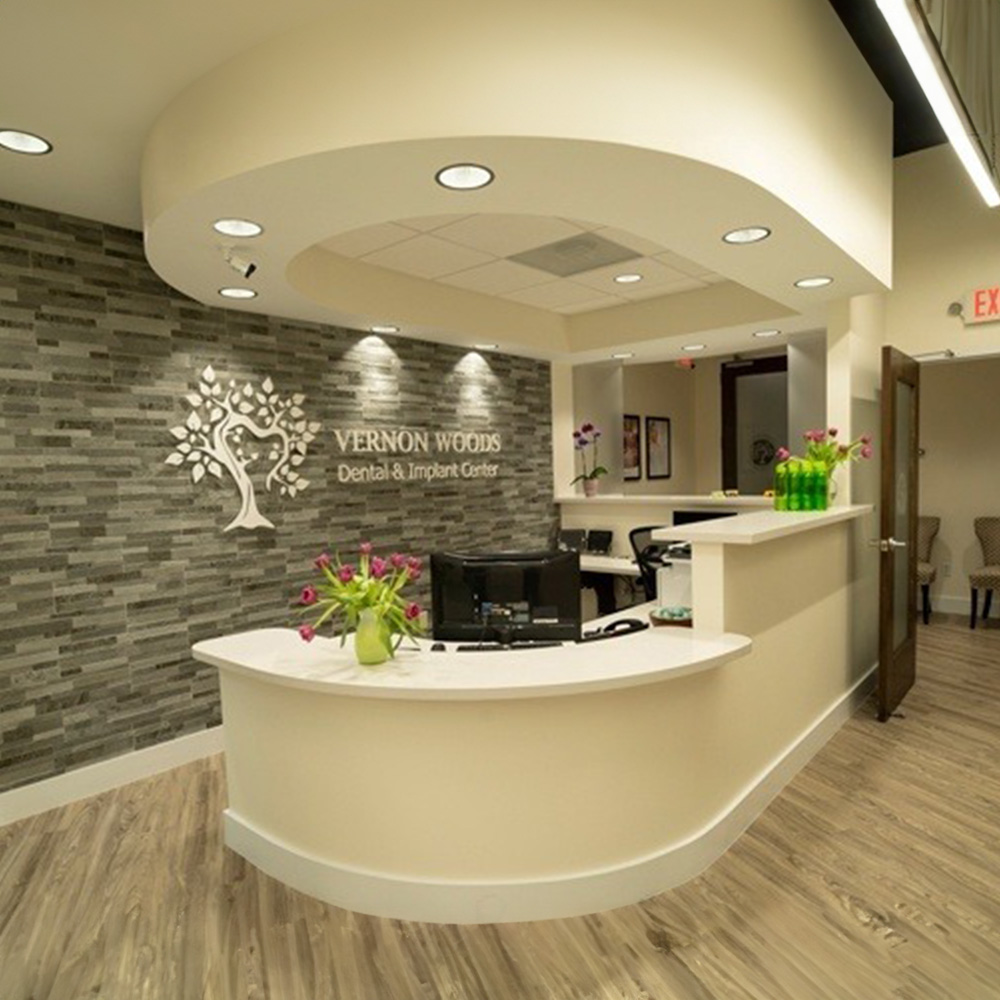
Ready to schedule your first visit and to join the Vernon Woods Dental & Implant Center family?
Scheduling your visit or getting answers to your questions is simple. The helpful team at Vernon Woods Dental & Implant Center is here to assist you! We can easily help you book appointments, explain treatment details, and address any concerns you have. Connect with us however you prefer—by phone or our quick online form. Don't delay your smile goals; contact us today and experience the comfort and confidence that personalized dental care provides.

Back to top