

When a tooth’s enamel and dentin are compromised by decay or minor damage, a carefully placed filling rebuilds the tooth’s form and restores reliable function. A contemporary restoration does more than merely plug a cavity — it preserves healthy structure, seals out bacteria, and helps the tooth withstand daily biting forces.
Tooth decay remains one of the most common oral health problems across all ages. Because of that, filling procedures are among the most frequently performed services in general dentistry. Advances in materials and placement techniques mean restorations today can be both durable and discreet, allowing patients to keep their natural teeth longer with fewer follow-up procedures.
At Vernon Woods Dental & Implant Center, our team emphasizes conservative dentistry: we remove only the damaged or decayed tissue and rebuild the tooth in a way that maintains its strength and natural contours. We combine clinical expertise with modern materials to deliver restorations that look natural and perform reliably.
Humans have attempted to repair damaged teeth for millennia. Archaeological evidence shows early restorative efforts thousands of years ago, and common metal restoratives became widely used in more recent centuries. For much of modern dental history, silver-colored amalgam was favored for its longevity and ease of placement.
In the latter half of the 20th century and into the 21st, tooth-colored materials and ceramics became mainstream. These newer options provide the functional advantages of older materials while offering superior aesthetics and the benefit of being free from metals in the visible areas of the mouth.
Treatment decisions are tailored to the individual patient: we consider the tooth’s location, the size of the cavity, bite dynamics, aesthetic priorities, and overall oral health. Our goal is to restore comfort and function while preserving as much healthy tooth structure as possible.
Before any work begins, we review options in clear terms so you understand why a specific material or technique is recommended. Gentle preparation, precise bonding, and careful finishing are all part of our process to ensure that your filling is comfortable, long-lasting, and unobtrusive.

There is no one-size-fits-all filling. Several materials are available today, each with distinct advantages. Choosing the right option depends on the tooth’s location, how much tooth structure needs replacement, cosmetic goals, and how the restoration will be loaded during chewing.
Conservative, tooth-colored materials are ideal when appearance matters or when preserving tooth structure is a priority. Strong ceramics and gold remain excellent choices for longevity in high-stress areas. Glass ionomer materials can be useful in specific situations where fluoride release or chemical bonding to the tooth is beneficial.
We’ll recommend the material that best balances durability, preservation of the natural tooth, and aesthetic outcome. Our team will explain the reasons behind each option so you can make an informed choice.
Composite fillings are made from resin blended with finely ground glass or ceramic particles. They’re available in a range of shades to closely match natural tooth color, making them an excellent option for visible teeth. Because composites bond directly to the remaining tooth, less healthy enamel or dentin typically needs to be removed.
Composite restorations provide a balance of aesthetics and function. They can be used to repair decay, restore chipped edges, or improve minor cosmetic concerns. Over time they may be more prone to surface wear or staining than ceramics, but with good care they offer many years of service.
Amalgam has a long track record of durability, particularly in large posterior (chewing) teeth where strong chewing forces occur. While less commonly chosen for visible areas due to its appearance, amalgam remains a dependable option where longevity is the primary concern.
Glass ionomers bond chemically to tooth structure and gradually release fluoride, which can help protect the tooth from further decay. They’re frequently used in pediatric dentistry, in areas near the gumline, or as a temporary solution during multi-stage treatments.
These materials are convenient when moisture control is a concern or when minimal preparation is desired, although they typically don’t match the wear resistance of composites or ceramics for long-term posterior restorations.
Ceramic restorations are fabricated outside the mouth and then bonded into place. They excel at mimicking natural tooth translucency and resist staining and wear better than many direct materials. Ceramics are an excellent choice for larger restorations where aesthetics and durability are both priorities.
Because they are made in a lab or with CAD/CAM technology, ceramic restorations offer a precise fit and long-term stability when bonded correctly.
Gold alloys remain one of the most durable and biocompatible restorative options. Though less commonly chosen for visible teeth today, gold can provide exceptional longevity and a gentle fit with opposing teeth, especially for large restorations in back teeth.
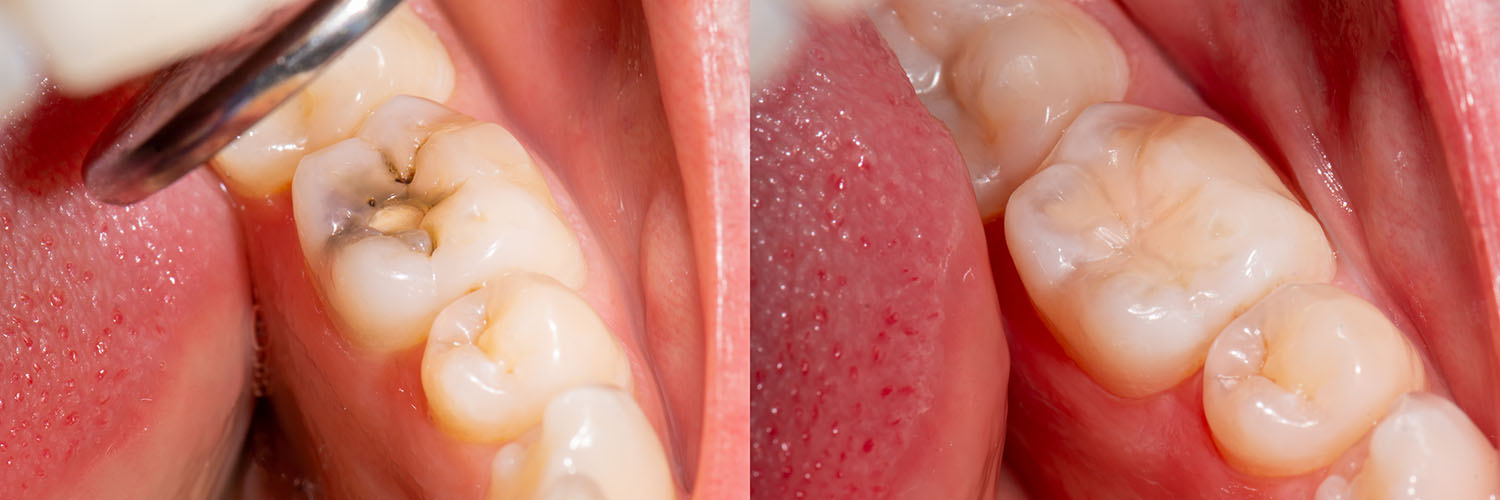
Treatment begins with a careful exam and, when needed, radiographs to determine the extent of decay. We explain the findings and outline a plan that preserves healthy structure and restores the tooth’s integrity. In many cases, a single appointment is sufficient to complete the procedure.
Most fillings are placed under local anesthesia so the tooth is comfortably numb during the procedure. Modern techniques — whether we use rotary instruments, laser, or air abrasion — are focused on removing only the decayed tissue while conserving the sound tooth.
After decay removal, the tooth is shaped to retain the restoration and, depending on the material chosen, a bonding agent or cement is used to secure the filling. We carefully check and adjust your bite before finishing, so the restoration feels natural and comfortable when you chew.
If a cavity is especially large or close to the nerve, we may stage treatment or recommend an indirect restoration (an inlay/onlay or crown) to better protect the tooth. Patients who prefer additional relaxation during treatment can discuss dental sedation options with our clinicians to find an appropriate approach for comfort and safety.
A newly placed filling typically feels different for a short period while your mouth adjusts. Minor sensitivity to temperature or pressure is common and usually resolves within days or a few weeks as the tooth settles and any inflammation subsides.
Initially, protect the area while the anesthesia wears off to avoid accidental biting of the cheek, lip, or tongue. Avoid very hard or sticky foods for a brief period if your restoration is extensive; once fully set and adjusted, most fillings tolerate normal chewing without special restrictions.
Good oral hygiene and routine dental checkups are the best defenses against future decay. Regular brushing with fluoride toothpaste, daily interdental cleaning, and professional exams help identify wear or marginal problems early so restorations can be maintained rather than replaced whenever possible.
Watch for lingering or worsening symptoms:
Some sensitivity is expected, but persistent pain, swelling, or changes in bite should be evaluated promptly so we can address them before they become more serious.
Expect small adjustments:
Occasionally a filling requires a minor bite modification after you’ve used it for a day or two. Returning for a quick adjustment keeps your bite balanced and comfortable.
Caring for restorations:
Certain restorations, especially composites, can show surface wear or staining over many years. We’ll monitor their condition at recall visits and recommend repairs or replacement when that will best preserve your tooth.
Maintain regular visits:
Routine exams let us catch small problems early. Catching and fixing a minor issue is often simpler and less invasive than treating a large failure later on.
We take pride in delivering precise, thoughtful restorative care. If you have questions about the type of filling recommended for your needs or want to discuss how a restoration fits into your overall treatment plan, please contact our office for more information.
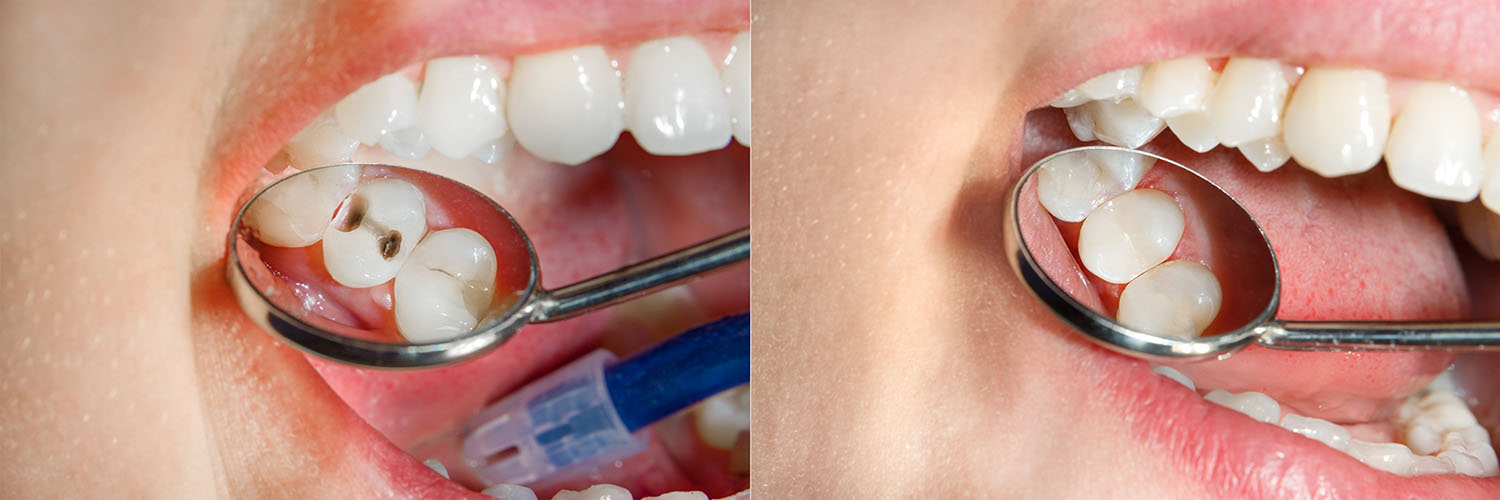


Dental fillings are restorations placed into a tooth after decay or minor damage has been removed to rebuild the tooth’s shape and restore reliable function. They seal the prepared area to block bacteria and help the tooth withstand everyday biting forces. Fillings preserve as much healthy tooth structure as possible and can prevent the need for more extensive treatment later.
At Vernon Woods Dental & Implant Center in Sandy Springs, GA, clinicians emphasize conservative techniques so only the damaged tissue is removed and the restoration is bonded or fitted to the remaining tooth. We discuss material choices and expected outcomes before treatment so patients understand how the filling will protect their tooth. The goal is to restore comfort, maintain chewing ability, and preserve long-term oral health.
Several restorative materials are commonly used, each with different strengths and aesthetic qualities. Composite resins are tooth-colored and bond to enamel and dentin, glass ionomers release fluoride and bond chemically, ceramics are lab-fabricated for excellent wear resistance and appearance, and gold alloys are noted for durability and biocompatibility. The choice depends on the tooth’s location, the size of the defect, aesthetic priorities, and chewing forces.
Composite materials are often preferred where appearance matters or when conservative preparation is desired, while ceramics or gold may be chosen for larger posterior restorations that require long-term strength. Glass ionomers can be useful in situations where moisture control is difficult or fluoride release is beneficial, such as pediatric care. Your dentist will explain the benefits and trade-offs of each option for your specific situation.
Composite fillings offer strong aesthetic advantages because they are available in multiple shades to match natural teeth and require less removal of healthy tooth structure due to adhesive bonding. Amalgam has a long track record of durability in high-stress posterior teeth but is metallic in appearance and usually reserved for nonvisible areas when long-term strength is the primary concern. Ceramic restorations are fabricated outside the mouth or milled chairside and combine excellent aesthetics with superior resistance to staining and wear.
Composites may show surface wear or staining over many years and sometimes require maintenance, while ceramics tend to retain their appearance longer and resist abrasion. Amalgam remains a dependable option for some large restorations, though it is chosen less frequently in visible areas. Material selection balances form, function, and conservation of tooth structure based on clinical judgment and patient preference.
Treatment starts with a careful clinical examination and radiographs when needed to determine the extent of decay and choose an appropriate restorative plan. Local anesthesia is commonly used so the tooth is comfortable while the clinician removes decayed tissue and shapes the cavity to retain the restoration, using rotary instruments, air abrasion, or other minimally invasive tools. After preparation, the selected material is placed and bonded or cemented, then shaped and polished to restore proper form and contact with adjacent teeth.
Before you leave, the dentist checks and adjusts your bite so the restoration feels natural during chewing, and any necessary postoperative instructions are reviewed. For very large defects close to the nerve, the team may recommend an indirect restoration such as an inlay, onlay, or crown to provide greater protection. Sedation options are available for patients who prefer additional relaxation during treatment and can be discussed ahead of time.
A newly placed filling can feel different for a short time while the mouth adjusts; mild sensitivity to temperature or pressure is common and usually subsides within days to a few weeks. Initially you should avoid biting the cheek or lip while numb and take care with very hard or sticky foods for a brief period if the restoration is extensive. If sensitivity persists, if you experience swelling, or if your bite feels uneven, contact the office for an evaluation.
Long-term care for fillings mirrors good preventive habits: brush twice daily with fluoride toothpaste, clean between teeth daily, and maintain regular dental checkups to monitor margins and wear. During recall visits, clinicians check restorations for cracks, recurrent decay, or marginal breakdown and will recommend repairs or replacement when clinically appropriate. Prompt attention to changes helps preserve the tooth and reduces the likelihood of more invasive treatment.
The longevity of a filling depends on the material used, the size and location of the restoration, your bite pattern, and daily oral hygiene habits. Composites typically last many years but can wear or stain over time; ceramics and gold restorations generally offer longer-term durability when placed and bonded correctly. Small restorations in low-stress areas often outlast large restorations subjected to heavy chewing forces.
Other factors that influence lifespan include bruxism (tooth grinding), diet, the presence of recurrent decay, and the quality of the original placement. Regular dental examinations allow early detection of marginal wear or recurrent decay so that maintenance can be performed before a restoration fails. Your dentist will discuss expected longevity and monitoring strategies based on your chosen material and clinical situation.
If a cavity is especially large, extends beneath the gumline, or leaves too little healthy tooth structure, a direct filling may not provide adequate long-term strength and protection. In such cases, an indirect restoration like an onlay, inlay, or full crown is often recommended because these restorations cover more of the tooth and redistribute chewing forces. Indirect options are fabricated in a lab or milled chairside and then bonded to the prepared tooth for enhanced stability.
Teeth with large restorations, cracks that threaten structural integrity, or restorations close to the pulp may be better served by these more extensive solutions. Your dentist will evaluate the remaining tooth structure, occlusion, and functional demands to determine whether a crown or onlay will offer a better prognosis. Choosing the right restoration helps prevent fractures and reduces the risk of future endodontic treatment.
Dental fillings are widely used and considered safe when placed according to current standards of care and regulation. Materials such as composite resin, glass ionomer, ceramics, and gold have established safety profiles and are chosen based on biocompatibility and clinical suitability for the tooth in question. While amalgam contains metal alloys, modern practice evaluates the risks and benefits and limits its use based on location and patient preference.
If you have specific health concerns, allergies, or sensitivities, disclose them to your dentist so material selection can accommodate your needs. The team will explain the properties of recommended materials and any precautions to take during or after treatment. Open communication ensures a safe, personalized approach to restorative care.
Yes, fillings that show minor surface wear, marginal discoloration, or small chips can often be repaired or resurfaced depending on the material and clinical situation. When marginal breakdown or recurrent decay is present, replacement of the filling may be necessary to remove compromised tissue and restore the tooth’s integrity. In some instances, a failing filling signals that a more durable indirect restoration is appropriate to protect the tooth long term.
Regular dental examinations allow your clinician to monitor restorations and intervene early when maintenance is simpler and less invasive. The decision to repair versus replace depends on the extent of the problem, the type of material involved, and the remaining tooth structure. Prompt attention to changes helps avoid larger procedures and preserves the natural tooth whenever possible.
The choice of filling material is based on a combination of clinical factors and patient preferences, including the tooth’s location, the size and depth of the cavity, the amount of remaining tooth structure, and aesthetic goals. Bite forces and opposing dentition are also evaluated to select a material that will withstand functional demands, while considerations such as moisture control and the need for fluoride release may favor certain materials. Your dental history and any underlying conditions are reviewed to ensure biocompatibility and a predictable outcome.
During the consultation the dentist explains the pros and cons of appropriate options and answers questions so you can make an informed decision. Treatment plans are individualized, and the selected material is placed with meticulous technique to maximize longevity and appearance. If you have questions about how a particular material performs in daily life, the team can provide clinical details to help guide your choice.

Ready to schedule your first visit and to join the Vernon Woods Dental & Implant Center family?
Scheduling your visit or getting answers to your questions is simple. The helpful team at Vernon Woods Dental & Implant Center is here to assist you! We can easily help you book appointments, explain treatment details, and address any concerns you have. Connect with us however you prefer—by phone or our quick online form. Don't delay your smile goals; contact us today and experience the comfort and confidence that personalized dental care provides.

Back to top