

Good daily hygiene is the foundation of a healthy mouth, but even the most careful brushing and flossing can miss the tight spaces and hidden surfaces where plaque and tartar accumulate. Professional dental cleanings remove buildup that home care can’t, give your hygienist a chance to spot early signs of trouble, and help keep your smile looking and feeling its best. Regular cleanings are one of the simplest, most effective ways patients preserve oral health over time.
Plaque is a sticky film of bacteria that constantly forms on teeth. When plaque is not fully removed, it hardens into tartar (calculus), which bonds to tooth surfaces and can only be removed with professional instruments. Left unchecked, these bacterial deposits increase the risk of cavities and gum inflammation, and they can contribute to progressive periodontal disease. A routine cleaning interrupts that process before it advances.
Beyond the local effects in your mouth, growing evidence links chronic oral inflammation with broader health concerns such as cardiovascular disease and diabetes management. By reducing bacterial load and controlling gum inflammation, regular professional care supports overall wellbeing in addition to protecting teeth and gums. For many patients, cleanings are as much about general health maintenance as they are about maintaining a bright smile.
Professional cleanings also create an opportunity for early detection. During a cleaning appointment, a hygienist and dentist can identify developing issues—like small cavities, early gum recession, or unusual lesions—long before they require more extensive treatment. Early detection usually means simpler, less invasive care and better long-term outcomes.
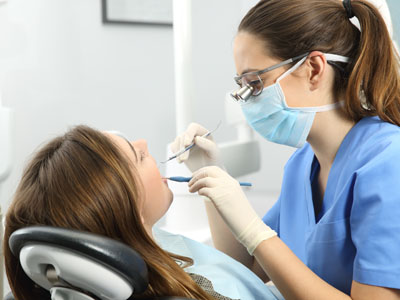
A typical appointment follows a structured sequence designed for thoroughness and efficiency. The hygienist starts with an exam of the teeth and gums, checking for signs of decay, inflammation, or other abnormalities. Next comes the removal of plaque and tartar using a combination of hand instruments and powered scalers, which lets the clinician clean both visible surfaces and the areas just beneath the gumline.
Ultrasonic or piezoelectric scalers use gentle vibrations and a water spray to loosen stubborn tartar, while hand instruments allow precise scaling in tight spots and around restorations. After mineralized deposits are removed, polishing smooths the tooth surface to reduce future plaque buildup and remove superficial stains. A final flossing and rinse complete the clinical portion of the visit.
Throughout the process, your comfort is a priority. Many patients describe routine cleanings as comfortable; however, for those with sensitivity, advanced periodontal disease, or anxiety, hygienists can tailor the approach with topical anesthetics, slower scaling techniques, or brief breaks to ensure a positive and manageable experience.
Gum disease ranges from reversible gingivitis to more advanced periodontitis, where supporting bone and connective tissue are affected. Professional cleanings play a central role in preventing and controlling these conditions by eliminating the bacterial biofilm that triggers inflammation. For patients showing early signs of gum disease, more frequent cleanings and targeted periodontal maintenance may be recommended to halt progression.
When periodontal pockets form, treatment moves beyond a standard cleaning to deeper cleaning protocols that reach below the gumline. Hygienists use specialized instruments and techniques to clean pocket areas and reduce bacterial communities that contribute to chronic inflammation. These interventions can stabilize gum health and, when combined with improved home care, often stop destructive changes in their tracks.
Ongoing periodontal maintenance is a collaborative effort. Patients who commit to regular professional care and consistent at-home hygiene typically see measurable improvements in pocket depths and tissue health. Hygiene visits are also the moment to reinforce technique, update home-care recommendations, and adjust the maintenance schedule based on each patient’s response to treatment.
While the standard recommendation for many patients is a cleaning every six months, the optimal interval varies depending on individual risk factors. People with a history of periodontal disease, active decay, weakened immune systems, or certain systemic conditions may need more frequent visits—sometimes every three to four months—to maintain stability. Conversely, low-risk patients with excellent home care might safely remain on a semiannual schedule.
Risk assessment is a routine part of each appointment. Hygienists evaluate factors such as plaque control, bleeding on probing, pocket depths, tobacco use, medication effects, and medical history to determine the most appropriate recall interval. This personalized approach helps ensure that care is proactive rather than reactive, catching small problems before they grow into larger ones.
Changes in health, medications, or lifestyle can alter your oral risk profile, so it’s wise to review your cleaning schedule regularly with your dental team. Adjusting the frequency of visits is a simple, effective way to align preventive care with your current needs and minimize future restorative treatment.
Cleanings offer a fresh start, but the day-to-day habits you practice at home determine how long that clean feeling lasts. Brushing twice daily with a fluoride toothpaste, flossing once daily, and using interdental cleaners or water flossers where appropriate will prevent plaque from reestablishing in hard-to-reach areas. Your hygienist can demonstrate techniques and recommend products tailored to your anatomy and preferences.
Dietary choices also influence oral health. Frequent consumption of sugary or acidic foods and beverages promotes plaque formation and enamel erosion. Moderating snacking, rinsing with water after acidic exposures, and choosing tooth-friendly snacks can help preserve both cleanliness and enamel integrity between visits.
Finally, be proactive about scheduling. Regular appointments are easiest to maintain when they’re booked in advance and treated as part of your routine health care. If you notice new tenderness, bleeding, or persistent sensitivity between visits, contact your dental team—early evaluation often prevents escalation and keeps your maintenance plan on track.
At the office of Vernon Woods Dental & Implant Center, our goal is to make preventive care straightforward, comfortable, and effective so patients can enjoy long-lasting oral health. If you’d like to learn more about our cleaning protocols or how often you should be seen based on your personal risk factors, please contact us for more information.


A professional dental cleaning is a clinical procedure performed by a licensed hygienist or dentist to remove plaque, tartar and surface stains that regular home care cannot fully eliminate. This preventive visit includes a focused examination of the teeth and gums and uses specialized instruments to clean above and below the gumline. Regular professional cleanings interrupt the buildup of bacteria that lead to cavities and gum inflammation.
Beyond preserving tooth structure, cleanings support overall oral health by reducing chronic inflammation and bacterial load. Early detection of problems during a cleaning often allows for simpler, less invasive treatment. For many patients, cleanings are a cornerstone of both dental maintenance and general health preservation.
A comprehensive cleaning typically begins with an exam of the teeth, gums and existing restorations to check for decay, inflammation or unusual findings. The hygienist then removes plaque and tartar using a combination of powered scalers and hand instruments to reach both visible surfaces and areas below the gumline. After scaling, teeth are polished to smooth the enamel, flossed to remove debris between teeth, and rinsed to complete the clinical portion of the visit.
Powered scalers such as ultrasonic or piezoelectric devices use gentle vibrations and a water spray to loosen hardened deposits, while hand instruments allow precise cleaning around tight contacts and restorations. Throughout the appointment, clinicians prioritize patient comfort and may adjust techniques for sensitivity or anxiety. The visit also provides time for education on home care and any recommended follow-up.
The common guideline for many patients is a cleaning every six months, but the ideal interval depends on individual risk factors and oral health status. People with a history of periodontal disease, active decay, tobacco use or certain medical conditions may need more frequent visits, often every three to four months. Low-risk patients with excellent home care may remain comfortable on a semiannual schedule.
Risk assessment is performed at each appointment and includes measurements such as bleeding on probing, pocket depths and evaluation of plaque control. Hygienists use that information, along with medical history and lifestyle factors, to recommend a personalized recall interval. Adjusting frequency proactively helps prevent progression of disease and reduces the need for complex treatment later.
A routine prophylaxis cleaning is designed for patients with healthy gums or minor gingivitis and focuses on removing plaque and tartar above and slightly below the gumline. A deep cleaning, often referred to as scaling and root planing, is a more intensive procedure targeting deeper periodontal pockets and bacterial biofilm on the root surfaces. The goal of scaling and root planing is to reduce pocket depths and eliminate the bacterial reservoirs that perpetuate inflammation.
Deep cleanings may require local anesthesia and multiple appointments to address affected areas thoroughly, followed by closer periodontal maintenance. After active therapy, patients typically move to a tailored maintenance schedule to monitor healing and prevent recurrence. The dental team will explain which approach is appropriate based on clinical measurements and diagnostic findings.
Ultrasonic and piezoelectric scalers are widely used and are considered safe when operated by trained clinicians. These devices use high-frequency vibrations combined with a water spray to loosen and flush away tartar and bacteria, which can shorten procedure time and improve cleaning effectiveness. For most patients the experience is well tolerated, though some people with sensitivity may notice mild discomfort during use.
Clinicians can manage comfort by adjusting power settings, using topical desensitizers, or pausing for breaks during the procedure. In cases of marked sensitivity or advanced periodontal disease, hygienists may supplement with slower hand scaling or localized anesthetic measures. The choice of instrument is always made with patient safety and comfort in mind.
Professional cleanings remove the bacterial biofilm and mineralized deposits that trigger gum inflammation, making them a first-line defense against gingivitis and periodontitis. By eliminating these deposits and smoothing root surfaces, cleanings reduce pocket depths and make it easier for tissues to heal. When disease is present, more frequent cleanings and targeted periodontal therapy help control bacterial communities and halt destructive changes.
Ongoing periodontal maintenance is a collaborative process that pairs in-office care with improved home hygiene. Regular re-evaluation allows the dental team to track pocket depth changes and adjust treatment plans as needed. Patients who follow personalized maintenance schedules and home-care instructions typically see better long-term outcomes.
Preparing for a cleaning appointment is straightforward: arrive with an up-to-date list of medications and any recent medical changes, and inform the team of new symptoms such as bleeding or persistent sensitivity. If you have specific dental anxiety or sensitivity, mention that when you schedule so staff can plan comfort measures. It is fine to eat beforehand unless you have an instruction to the contrary for another procedure taking place the same day.
For patients with complex medical histories it can be helpful to coordinate care with a physician or to bring recent medical records. Pregnant patients and those with systemic conditions should share those details so the hygienist can tailor the approach. Clear communication before the appointment helps the team deliver safe, effective care.
After a cleaning you may notice a refreshed sensation, smoother tooth surfaces and temporary sensitivity or mild gum tenderness for 24 to 48 hours. Some bleeding or slight gum soreness can occur, especially if inflammation was present before the cleaning, but these symptoms typically resolve quickly with careful home care. If sensitivity or pain persists beyond a few days, contact the dental team for an evaluation.
The clinical benefits of a professional cleaning—reduced bacterial load and cleaner surfaces—are immediate, but their duration depends on daily oral hygiene and risk factors. Consistent brushing, flossing and interdental cleaning extend the clean feeling and slow new buildup. To maintain improvements long term, follow the recall schedule recommended by your hygienist and report any changes promptly to Vernon Woods Dental & Implant Center if you have concerns.
Certain health conditions can increase susceptibility to gum disease and influence how frequently a patient needs professional care, so clinicians recommend closer monitoring for those affected. People with diabetes, pregnant patients and those with compromised immune systems often benefit from more frequent cleanings and careful periodontal assessments to reduce the risk of complications. Managing systemic health in coordination with dental care helps improve both oral and general outcomes.
Communication with your medical providers is important when systemic conditions are present so that dental care can be timed and tailored safely. Hygienists will review medications, blood sugar control and pregnancy status before planning treatment. These precautions ensure that cleanings are both effective and appropriate for each patient’s health profile.
Daily habits are the most powerful way to prolong the results of a professional cleaning: brush twice daily with a fluoride toothpaste, floss once daily or use interdental cleaners, and consider a water flosser if your anatomy or restorations make flossing challenging. Your hygienist can demonstrate techniques and recommend specific products to address sensitivity, crowding or gum issues. Consistency with these practices reduces plaque reformation and supports long-term oral health.
Diet and lifestyle also influence how quickly plaque and stains return, so moderating sugary and acidic snacks and rinsing with water after acidic exposures can help preserve enamel and cleanliness. Book follow-up appointments in advance and treat them as part of your routine preventive care to keep progress on track. If you have questions about daily care or need personalized guidance, contact Vernon Woods Dental & Implant Center for an individualized plan.
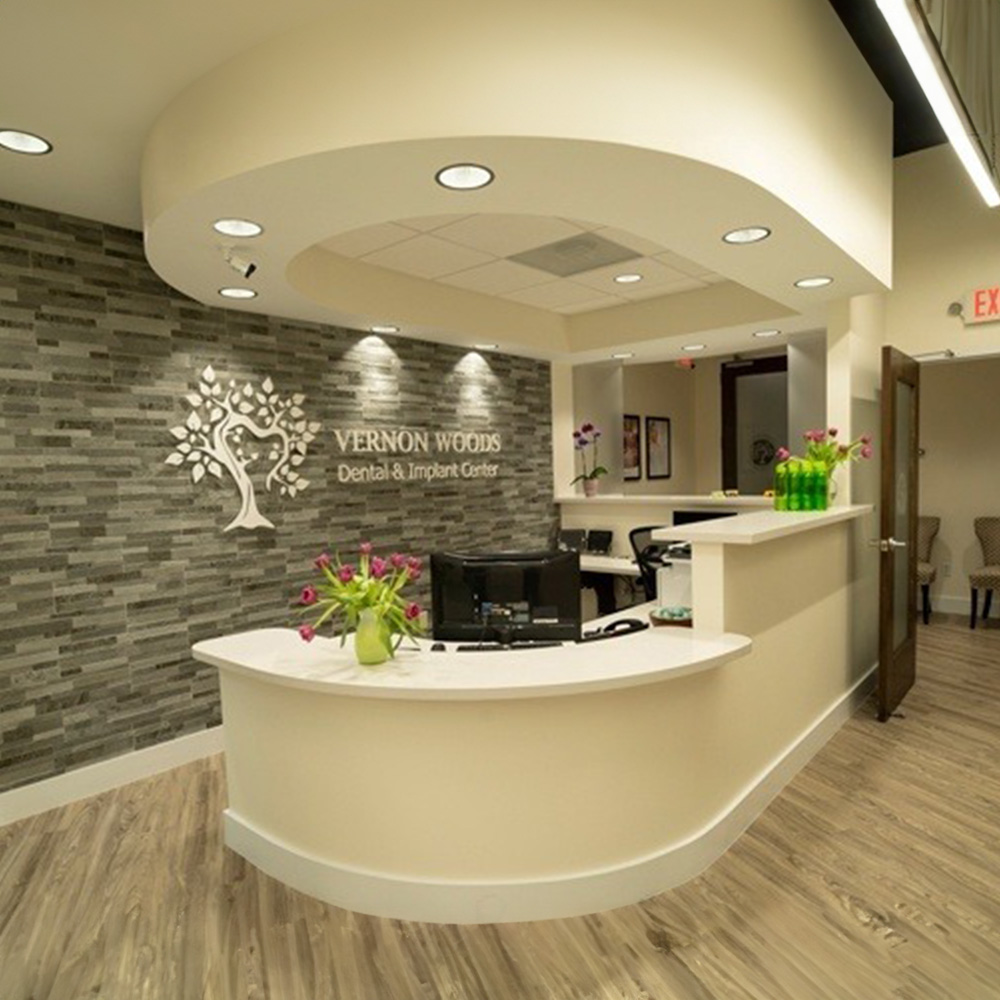
Ready to schedule your first visit and to join the Vernon Woods Dental & Implant Center family?
Scheduling your visit or getting answers to your questions is simple. The helpful team at Vernon Woods Dental & Implant Center is here to assist you! We can easily help you book appointments, explain treatment details, and address any concerns you have. Connect with us however you prefer—by phone or our quick online form. Don't delay your smile goals; contact us today and experience the comfort and confidence that personalized dental care provides.

Back to top