

A confident smile can change the way you move through the world — it opens doors in social settings, helps you feel more at ease at work, and signals health and vitality. When your teeth reflect the image you want to project, you’re more likely to smile freely and engage with others without hesitation.
Many adults notice flaws in their smile — discoloration, chips, uneven edges, small gaps, or teeth that don’t line up the way they used to. Modern cosmetic dentistry offers refined, predictable solutions that respect the natural structure of your mouth while improving appearance. You don’t have to accept imperfections when safe, minimally invasive options can produce natural-looking results.
Every smile tells a story, and the first step in designing a cosmetic plan is understanding what you want that story to say. Our team takes time to learn your priorities — whether you want a subtle refresh or a transformative change — and to evaluate how those goals fit with your oral health, facial proportions, and bite.
Instead of a one-size-fits-all approach, we focus on tailored recommendations that balance aesthetics and longevity. That means considering tooth color, size, alignment, and how your smile interacts with your lips and facial features. A careful, individualized plan produces results that look effortless and remain comfortable over time.
When treatment begins, we use diagnostic records and visual planning tools to preview possible outcomes and adjust details before any irreversible steps are taken. This collaborative planning reduces surprises and helps ensure the final result matches your expectations while preserving healthy tooth structure whenever possible.

Successful cosmetic dentistry blends technical precision with an artistic eye. Materials science has made it possible to replicate the translucency and sheen of natural enamel, while digital tools allow for exact shade matching and precise shaping. The result is work that enhances your smile without appearing artificial.
Attention to proportion and symmetry is as important as material choice. We examine how the teeth relate to the gums, the alignment of the midline, and the way your bite functions when planning restorations. Properly executed cosmetic treatments should support chewing efficiency and long-term oral health as much as aesthetics.
Continuing education and modern equipment keep the clinical side of cosmetic care reliable and predictable. With conservative preparation techniques and high-quality ceramics and composites, restorations can offer both beauty and durability while preserving as much natural tooth as possible.
Cosmetic care covers a wide spectrum — from quick, low-impact options that refresh your smile in a single visit to comprehensive multi-step plans that rebuild and realign multiple teeth. The right path depends on the condition of your teeth, your timeline, and the visual result you want to achieve.
Minimally invasive choices like tooth-colored bonding and professional whitening address common concerns such as minor chips, surface stains, and small gaps with excellent cosmetic effect and minimal recovery. For more complex issues, layered porcelain veneers or precision crowns can correct shape, color, and alignment more dramatically.
When teeth are missing or severely compromised, restorative solutions that integrate cosmetic principles — such as implant-supported restorations or custom bridges — restore both appearance and function. A thoughtful plan will sequence treatments to protect your oral health while delivering the aesthetic improvements you expect.

An attractive smile should also work well. When teeth are missing, uneven, or worn, the way your bite distributes force changes, which can accelerate wear or cause discomfort. Cosmetic dentistry that ignores function risks short-lived results; successful care improves aesthetics while stabilizing the bite and protecting remaining teeth.
Options to replace missing teeth range from traditional prosthetics to modern implant-based restorations that closely mimic natural tooth roots. These choices not only close gaps but help preserve jawbone and maintain facial support, contributing to a healthier, more youthful appearance.
At Vernon Woods Dental & Implant Center, careful diagnosis informs whether a restorative approach should prioritize conservative overlays, full crowns, or implant solutions. The goal is a durable outcome that restores comfort and chewing ability while creating a harmonious smile.
Composite bonding is a versatile option for repairing small chips, masking surface discoloration, or closing narrow gaps. The composite material is shaded to blend with the surrounding teeth, sculpted to the desired shape, and hardened in place — often in a single appointment.
Modern composite fillings and ceramic materials allow damaged or decayed teeth to be rebuilt without visible metal. These restorations bond to the tooth, restore proper form, and help maintain a seamless appearance across the smile while providing strength for everyday use.
In-office whitening systems and supervised take-home options offer predictable lightening of stained enamel. Administered under clinical guidance, these treatments can achieve meaningful shade improvement safely and quickly, setting a brighter foundation for any additional cosmetic work.
Porcelain veneers are ultra-thin facings bonded to the front surfaces of teeth to change color, correct minor rotations, or refine shape. When expertly designed, veneers create a balanced, lifelike smile that complements facial features while requiring minimal tooth reduction in many cases.
When a tooth has extensive damage, deep staining, or structural weakness, a ceramic crown restores full form and function. Crowns are customized to match adjacent teeth and can correct difficult cosmetic issues that less comprehensive treatments cannot address.

A rewarding cosmetic outcome starts with clear communication. During a consultation we discuss your aesthetic goals, examine oral health, and use visual aids to explore treatment possibilities. This process ensures you understand the steps involved and the sequence that will produce the best long-term result.
We aim to strike the right balance between appearance, comfort, and practicality. For example, some patients prefer the speed of single-visit enhancements, while others choose staged treatments that allow for healing and more predictable integration with other dental work.
Technology — from digital imaging to precision impressions — helps us plan and execute treatments with greater accuracy. These tools let you preview expected changes and allow the clinical team to translate designs into restorations that meet both cosmetic and functional goals.
Whether you’re refreshing a few front teeth or planning a comprehensive smile makeover, our practice combines careful assessment, high-quality materials, and meticulous technique to produce results that feel like a natural extension of your face.
In summary, cosmetic dentistry offers a wide range of options to enhance the look, comfort, and function of your smile. Thoughtful planning and modern materials let us deliver results that are both beautiful and long-lasting. For more information about cosmetic dental services or to discuss what might work best for your smile, please contact us today.


Cosmetic dentistry focuses on improving the appearance of the teeth, gums and overall smile while general dentistry emphasizes oral health, disease prevention and routine care. Many cosmetic treatments also restore function, but their primary goal is aesthetic enhancement achieved through procedures such as whitening, bonding, veneers and tooth‑colored restorations. Both disciplines overlap significantly, and responsible cosmetic care begins with a thorough oral health evaluation to ensure any aesthetic work supports long‑term dental health.
Because cosmetic dentistry touches on form and function, providers plan treatments to maintain chewing efficiency and periodontal stability while achieving the desired look. Modern materials and conservative techniques allow clinicians to enhance appearance without sacrificing structural integrity. A qualified cosmetic dentist balances artistic design, material science and clinical principles to produce results that are both attractive and durable.
Common cosmetic options include professional whitening to reduce or remove stains, composite bonding to repair small chips or close narrow gaps, porcelain veneers to refine shape and color, and ceramic crowns to rebuild teeth with extensive damage. Each procedure targets specific concerns: whitening improves shade, bonding corrects minor defects, veneers reshape the front teeth, and crowns restore form and strength for compromised teeth. Digital shade matching and high‑quality ceramic materials help these restorations blend seamlessly with adjacent teeth.
In cases of missing teeth, implant‑supported restorations and custom bridges are used to close gaps while preserving facial support and bite function. Orthodontic solutions such as clear aligners can correct alignment issues that affect the smile’s appearance before or in conjunction with restorative work. A comprehensive treatment plan often sequences several of these modalities to achieve a balanced, long‑lasting outcome.
Determining the right treatment begins with a detailed consultation that reviews your aesthetic goals, oral health status and facial proportions. The clinician examines tooth color, shape, alignment, the condition of existing restorations and the health of gums and supporting bone to ensure recommended procedures are appropriate and safe. Diagnostic records, including photographs and intraoral images, are used to document current appearance and guide planning.
A personalized treatment plan balances aesthetics with function by considering the bite, tooth conservation and long‑term maintenance needs. Visual planning tools and mock‑ups allow you to preview potential results and provide input before irreversible steps are taken. This collaborative approach helps align expectations and reduces the likelihood of surprises during treatment.
Advances in materials and fabrication techniques make it possible to create restorations that closely mimic the translucency, texture and color variation of natural enamel. Porcelains and modern composite resins are selected and layered to reproduce lifelike optical properties, and careful shade matching ensures restorations harmonize with surrounding teeth. Skilled laboratory work and digital design further refine contours and surface characterization for a natural appearance.
Durability depends on the chosen material, the extent of the restoration and how well the patient maintains oral health and avoids damaging habits. With conservative preparation and high‑quality ceramics, veneers and crowns can provide many years of service, and properly placed implant‑supported restorations function much like natural teeth. Regular professional care and appropriate at‑home habits are key to preserving both look and function over time.
Digital planning and imaging streamline cosmetic treatment by providing precise diagnostics, treatment simulations and reliable communication between the clinician, lab and patient. Tools such as intraoral scanners, digital radiography and smile design software help capture accurate records, visualize proposed changes and produce custom restorations that fit precisely. These technologies reduce guesswork and allow adjustments to be made before definitive work is started.
Using digital workflows also improves predictability and efficiency by enabling the fabrication of restorations that match planned contours and occlusion. Patients can preview simulated outcomes and provide feedback, which enhances shared decision making and confidence in the selected approach. In many cases, digital impressions eliminate traditional trays and improve comfort while delivering superior accuracy.
Effective cosmetic dentistry always considers how restorations will affect the way teeth meet and how forces are distributed during chewing. Restorations that correct shape and alignment should be designed to maintain or improve occlusion so that no single tooth is overloaded and long‑term wear is minimized. When bite issues are present, clinicians may incorporate occlusal adjustments or restorative sequencing to stabilize function before completing purely aesthetic elements.
Replacing missing teeth with implant‑supported restorations or well‑designed bridges helps preserve jawbone and facial support while restoring chewing ability. In cases of significant wear, a comprehensive approach can rebuild vertical dimension and protect remaining teeth. The goal is an attractive smile that also performs reliably under daily function.
Yes, cosmetic and restorative therapies are often integrated to address both appearance and oral health needs in a coordinated plan. For example, implant‑supported crowns can be designed to match veneer or crown work on adjacent teeth, creating a harmonious smile while restoring missing tooth roots. Full‑mouth reconstructions frequently combine orthodontics, implants, crowns and veneers to achieve optimal function and aesthetics.
Sequencing is important: clinicians evaluate when to complete tooth movement, periodontal therapy, implant placement and final restorations to ensure predictable healing and long‑term stability. A multidisciplinary approach often yields the best outcomes for complex cases, with each phase planned to protect tissues and preserve the desired aesthetic result.
During a cosmetic consultation the team reviews your smile goals, performs a comprehensive oral exam and documents the condition of teeth, gums and bite to determine appropriate options. Visual aids, photographs and digital scans may be used to illustrate potential changes and help you understand the steps involved in recommended treatments. The clinician discusses the risks and benefits of each option and outlines a sequence that prioritizes oral health while achieving the desired look.
Expect a collaborative conversation that allows you to express preferences about shade, tooth shape and the extent of change you want to pursue. The practice uses this information to create a tailored plan with clear milestones, anticipated timelines and guidance on maintenance. A careful diagnostic approach helps ensure the final outcome meets both aesthetic and functional expectations.
After cosmetic treatments, routine oral hygiene—brushing twice daily with a fluoride toothpaste and daily flossing—remains essential to protect both natural teeth and restorations. Regular professional cleanings and examinations allow the dental team to monitor the condition of restorations, catch early signs of wear or marginal staining and perform necessary maintenance. Avoiding abrasive whitening products or aggressive brushing helps preserve surface finishes on veneers and composites.
Sleep bruxism or other parafunctional habits should be managed with appropriate appliances or behavioral strategies to prevent premature wear or damage. Smoking cessation and moderation of highly staining foods and beverages will also support long‑term esthetic outcomes. Promptly reporting any changes, sensitivity or damage to your dental team helps address issues before they compromise the restoration.
Good candidates for cosmetic dentistry are generally adults in stable oral health who have realistic expectations about what treatment can achieve. Candidates should have healthy periodontal tissues and manageable levels of decay or infection, since untreated gum disease or active cavities must be addressed before elective aesthetic work. The clinician evaluates systemic and local health factors that could affect healing and the longevity of restorations.
At Vernon Woods Dental & Implant Center the team assesses medical history, periodontal status, bite relationships and habits such as grinding to determine suitability and to recommend preparatory care when needed. When necessary, the plan may begin with periodontal therapy, restorative repairs or orthodontic alignment to create a stable foundation for cosmetic improvements. This staged approach helps deliver predictable, durable and visually pleasing results.
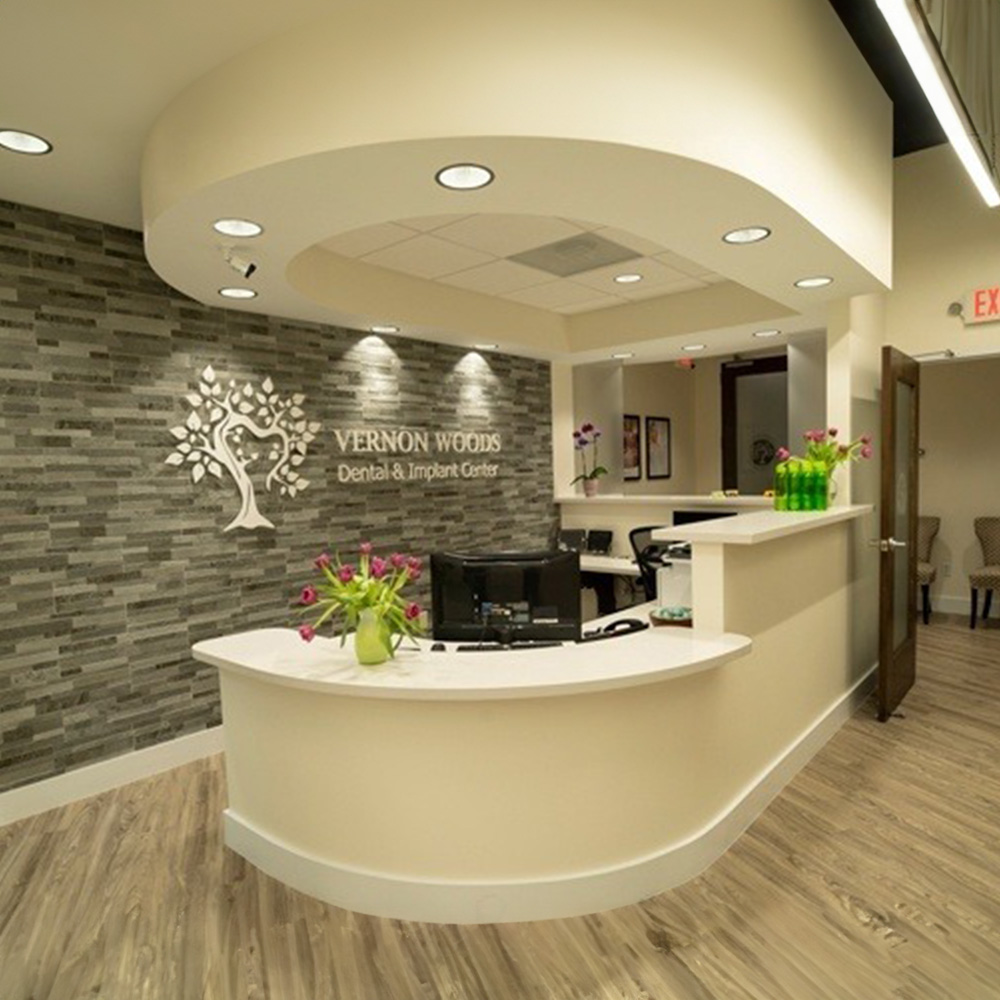
Ready to schedule your first visit and to join the Vernon Woods Dental & Implant Center family?
Scheduling your visit or getting answers to your questions is simple. The helpful team at Vernon Woods Dental & Implant Center is here to assist you! We can easily help you book appointments, explain treatment details, and address any concerns you have. Connect with us however you prefer—by phone or our quick online form. Don't delay your smile goals; contact us today and experience the comfort and confidence that personalized dental care provides.
Back to top