

At Vernon Woods Dental & Implant Center, we combine modern materials with thoughtful clinical planning to restore teeth so they look natural and perform reliably. Our team focuses on solutions that preserve tooth structure while meeting patients’ cosmetic and functional goals. Ceramic crowns are one of the most versatile options we offer when a tooth needs full coverage.
Although enamel is the hardest substance in the body, teeth still face wear, decay, and accidental injury. When a tooth has lost too much structure for a filling to provide lasting strength—or when appearance and bite must be corrected—a crown can restore form, protect remaining tooth, and return comfortable function.
Recent advances in dental ceramics mean crowns can now be metal-free without sacrificing durability. The materials and digital workflows available today allow us to craft restorations that blend seamlessly with adjacent teeth while meeting demanding functional needs.
A crown becomes a practical choice when a tooth is too compromised to be reliably repaired with a filling alone. Large cavities, fractured cusps, or teeth weakened by prior restorations often benefit from the protection and reinforcement a crown provides. Crowns fully encapsulate the tooth, redistributing chewing forces and reducing the risk of future breakage.
Patients who have had root canal therapy frequently receive a crown to protect the treated tooth. Without that full-coverage restoration, a root-treated tooth can be more susceptible to fracture because its internal structure has been altered. A properly fitted crown restores strength and restores a predictable biting surface.
Crowns are also used for cosmetic improvements and to correct bite relationships. They can mask deep stains, reshape misshapen teeth, and even help stabilize a bridge or an implant restoration. For people who clench or grind, certain ceramic materials provide additional resilience while maintaining a natural appearance.
To rebuild a tooth with extensive decay or structural damage
To replace a failing, large, or fractured filling
To restore an implant crown or support a dental bridge
To strengthen a tooth after root canal treatment
To improve the shape, color, or alignment of an individual tooth

All-ceramic crowns are prized for their lifelike optical properties—translucency, surface texture, and color depth that mimic natural enamel. These crowns interact with light in a way that avoids the opaque, “flat” look sometimes associated with older materials. For front teeth and other highly visible areas, ceramics produce the most convincing aesthetic results.
Beyond appearance, contemporary ceramics are biocompatible and gentle on neighboring soft tissues. Because they are metal-free, they eliminate visible dark lines at the gumline and reduce the risk of metal sensitivity for patients who have concerns about alloys. Many ceramic options resist staining and maintain polish well over time.
Technological improvements have also boosted strength. Modern glass-ceramics and advanced zirconia formulations can withstand significant chewing forces, making them suitable for both anterior and posterior restorations when chosen and designed appropriately by the clinician.
Highly natural translucency and shade matching
Requires less aggressive tooth reduction with some materials
Lighter weight and kinder to surrounding gum tissue
Metal-free composition for patients with sensitivities
Resistant to stains and long-term discoloration
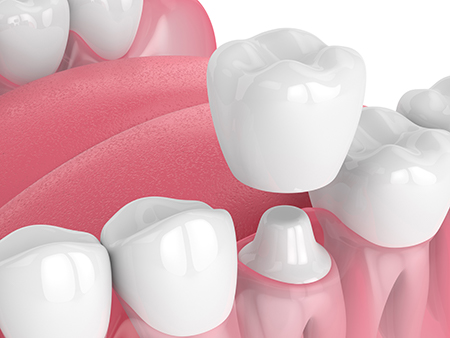
Not all ceramics are identical; the ideal material depends on the tooth’s location, the amount of bite force it endures, and how much of a cosmetic match is required. Our clinical evaluation considers these factors along with the remaining tooth structure to recommend a durable and attractive option.
Common choices include lithium disilicate for its balance of strength and translucency, pressable leucite-reinforced porcelains for precise esthetics, and several grades of zirconia for posterior strength. High-translucency zirconia blends improved esthetics with the robust properties traditionally associated with zirconia.
We work closely with dental technicians and use digital shade-taking and imaging to ensure the selected material is layered, stained, or glazed to harmonize with adjacent teeth. The result is a crown that doesn’t just restore function — it restores confidence in your smile.
Lithium Disilicate (esthetic and durable)
Leucite-reinforced pressable ceramics (excellent color control)
Monolithic (solid) zirconia (high strength for posterior teeth)
High-translucent zirconia (improved esthetics with strength)

The treatment begins with a focused exam and digital imaging to evaluate decay, fracture risk, and occlusion (how your teeth come together). We’ll discuss cosmetic goals and explain the material options that best suit your case. This step ensures predictable outcomes and aligns expectations for appearance and function.
During preparation, the tooth is shaped to provide a stable seat for the crown while preserving as much natural structure as possible. Many practices now use digital scans instead of traditional impressions; when appropriate, we use CAD/CAM technology to design restorations with precision and fewer adjustments.
After fabrication—either in a dental lab or with in-office milling—the crown is tried in for fit, shade, and bite. Minor refinements are made before final cementation. We’ll provide aftercare guidance, including cleaning strategies and habits to protect the restoration so it remains comfortable and attractive for years to come.
Our restorative philosophy centers on combining conservative preparation, material science, and careful occlusal planning. We prioritize solutions that strengthen teeth while preserving healthy tissue, and we collaborate with skilled technicians to ensure each crown meets high standards for fit and esthetics.
At Vernon Woods Dental & Implant Center, clinicians and staff emphasize clear communication and individualized care. Whether you need a single crown to save a tooth or a strategically planned series of restorations, we tailor treatment to support long-term oral health and a pleasing smile.
We also focus on follow-up care and practical maintenance tips. With routine exams and good home hygiene, ceramic crowns can provide many years of dependable service. If grinding or clenching is a concern, we discuss protective options that minimize wear and extend the restoration’s lifespan.
In summary, contemporary ceramic crowns offer a proven way to restore strength, improve appearance, and protect compromised teeth. If you’d like to learn whether a ceramic crown is the right option for your smile, please contact us for more information and to schedule an evaluation.


Ceramic crowns are full-coverage dental restorations made from tooth-colored ceramic materials designed to restore a damaged or weakened tooth. They reproduce the optical properties of natural enamel, including translucency and surface texture, so they blend with adjacent teeth for a lifelike appearance. Because they are metal-free, ceramic crowns avoid visible dark lines at the gumline and reduce the risk of metal-related sensitivities.
Ceramic crowns differ from porcelain-fused-to-metal and full-metal crowns primarily in esthetics and composition. Porcelain-fused-to-metal crowns use a metal substructure beneath a porcelain layer, which can compromise light transmission, while full-metal crowns prioritize strength over appearance. Modern ceramics, when selected and designed properly, offer a balance of realistic appearance and sufficient strength for many clinical situations.
A ceramic crown is typically recommended when a tooth has lost too much structure for a filling to provide durable support, such as after large cavities, fractured cusps, or failing restorations. Teeth that have undergone root canal therapy are also common candidates for crowns because the procedure alters the tooth’s internal structure and increases fracture risk without full coverage protection. A crown fully encapsulates the remaining tooth, helping to redistribute chewing forces and prevent further damage.
Crowns are also chosen for cosmetic corrections and functional adjustments, including masking deep stains, reshaping a misshapen tooth, or improving bite relationships. Crowns can support implant restorations and stabilize bridges when necessary, and certain ceramic formulations offer added resilience for patients who clench or grind. The final recommendation depends on the tooth’s condition, occlusion, and the patient’s esthetic goals.
Common ceramic materials include lithium disilicate, leucite-reinforced pressable porcelain, and various grades of zirconia, each offering a different balance of esthetics and strength. Lithium disilicate is prized for a natural translucency and good strength for anterior and many posterior teeth, while leucite-reinforced ceramics provide precise color control for highly esthetic needs. Zirconia is available in monolithic and high-translucency formulations and is often selected for its superior fracture resistance in posterior restorations.
The chosen material influences how the crown interacts with light, how thin the restoration can be, and how it wears against opposing teeth. Layered ceramics can deliver exceptional esthetics but may require careful occlusal planning to manage wear characteristics, whereas monolithic zirconia provides robustness with simpler maintenance. Clinicians evaluate location, bite forces, remaining tooth structure, and esthetic priorities when selecting the ideal ceramic.
The process begins with a detailed clinical exam and digital imaging to assess decay, fracture risk, and occlusion, and to plan the ideal restoration. Many practices use digital intraoral scanning instead of traditional impressions to capture precise anatomy, which supports CAD/CAM design workflows and facilitates communication with dental laboratories. When indicated, CAD/CAM technology can also enable in-office milling for a single-visit restoration, although some cases still benefit from lab-fabricated, layered work for superior esthetics.
After the crown is fabricated, the dentist checks fit, contact points, shade, and bite, making minor refinements before final cementation. Careful occlusal adjustments ensure the restoration distributes forces predictably and avoids premature contacts that could lead to fracture. Final cementation seals the crown in place and the team provides aftercare instructions to protect the restoration during the initial healing period.
During the preparation appointment the dentist first administers local anesthesia to ensure comfort while shaping the tooth to create a stable seat for the crown. The tooth is conservatively reduced to allow adequate thickness for the chosen ceramic material while preserving as much natural structure as possible. In many cases a digital scan is taken after preparation to capture the exact shape for fabrication.
Patients often receive a temporary crown to protect the prepared tooth while the final restoration is fabricated, and the temporary will be adjusted for comfort and function. Mild sensitivity or soreness around the treated tooth and adjacent gum tissue is common for a few days, and clinicians provide guidance on gentle cleaning and what to avoid while the permanent crown is being made. At the final appointment the temporary is removed and the permanent crown is tried in, adjusted, and permanently cemented.
Yes, contemporary ceramic materials are generally biocompatible and well tolerated by soft tissues, which helps maintain healthy gums around restorations. Because they are metal-free, ceramics eliminate concerns related to metal allergies and reduce instances of dark lines at the gingival margin. Many ceramic formulations resist staining and maintain their polished surface, contributing to lasting esthetics.
Proper design and finishing are essential to ensure cervical fit and smooth margins that support periodontal health, so working with experienced clinicians and technicians is important. Routine dental hygiene and professional cleanings help prevent plaque accumulation around crown margins, preserving both the restoration and the surrounding tissues over time.
The longevity of a ceramic crown depends on several factors including the chosen material, the quality of the tooth preparation and cementation, the patient’s oral hygiene, and functional habits like grinding or clenching. While many ceramic crowns provide reliable service for years, their performance is influenced by how well occlusion is managed and whether the underlying tooth remains healthy. Properly fitted crowns that avoid high occlusal stress and have sound supporting tooth structure tend to last longer.
Regular dental exams and prompt attention to any changes in bite, sensitivity, or appearance help identify potential problems early and extend the life of the restoration. For patients who grind or clench, custom night guards and occlusal adjustments can reduce wear and fracture risk. Good home care, including brushing with a nonabrasive fluoride toothpaste and daily flossing, also supports long-term success.
Ceramic crowns are suitable for both anterior and posterior teeth when the material is chosen appropriately for the location and functional demands. Highly translucent ceramics provide the most convincing esthetics for front teeth where light transmission and shade matching are critical for a natural result. For posterior teeth, stronger ceramics such as monolithic or high-translucency zirconia can withstand heavier chewing forces while still achieving an acceptable appearance.
Selection is case-specific and includes evaluating remaining tooth structure, occlusal forces, and the need for esthetic layering or staining. In some situations a clinician may recommend a layered approach for an anterior tooth and a monolithic design for a posterior tooth to balance esthetics and durability. Collaborative planning with experienced dental technicians ensures the chosen approach meets both functional and cosmetic requirements.
Caring for a ceramic crown follows the same basic principles as caring for natural teeth: brush twice daily with a nonabrasive fluoride toothpaste, floss daily, and maintain regular professional cleanings and exams. Avoiding hard or highly abrasive habits—such as chewing ice, opening packages with teeth, or repeated stress on a single tooth—reduces the risk of chipping or fracture. If you have a tendency to grind or clench, wearing a custom night guard can protect both the crown and your natural teeth from excessive wear.
Be attentive to any changes in sensitivity, bite, or the feel of adjacent gum tissue and report these during routine dental visits so issues can be addressed early. Professional checkups allow the clinician to monitor crown margins, contacts, and opposing tooth wear, and to perform preventive maintenance as needed. With consistent home care and regular dental follow-up, ceramic crowns can remain attractive and functional for many years.
Determining whether a ceramic crown is appropriate begins with a focused clinical exam, digital imaging, and a discussion of your cosmetic and functional goals, all of which are part of a comprehensive consultation. At Vernon Woods Dental & Implant Center in Sandy Springs, the care team evaluates remaining tooth structure, occlusion, and esthetic needs to recommend the most predictable and durable restoration for your situation. This diagnostic process ensures any chosen solution supports long-term oral health as well as the desired appearance.
During the consultation the dentist will review material options, expected steps in treatment, and protective measures to enhance longevity, such as night guards when indicated. If a crown is recommended, the practice will outline the imaging and planning steps that lead to precise fabrication and a comfortable final result. Scheduling an evaluation is the best way to get a personalized recommendation based on your smile and oral health.
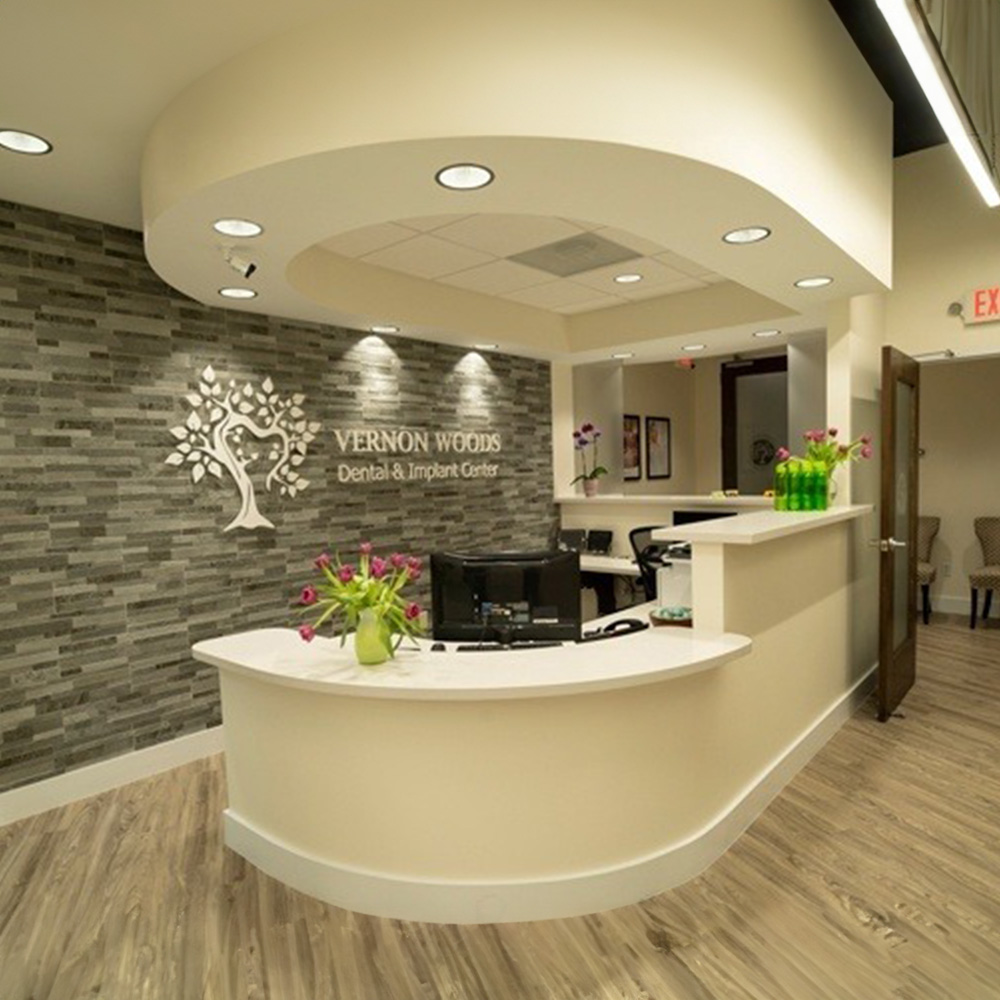
Ready to schedule your first visit and to join the Vernon Woods Dental & Implant Center family?
Scheduling your visit or getting answers to your questions is simple. The helpful team at Vernon Woods Dental & Implant Center is here to assist you! We can easily help you book appointments, explain treatment details, and address any concerns you have. Connect with us however you prefer—by phone or our quick online form. Don't delay your smile goals; contact us today and experience the comfort and confidence that personalized dental care provides.
Back to top