
Botox® treatments offer a minimally invasive option for patients seeking smoother facial lines and relief from certain muscular conditions. Administered carefully by a trained dental team, these injections can soften the appearance of expression lines and provide therapeutic benefits that complement comprehensive oral and facial care. At Vernon Woods Dental & Implant Center, we integrate cosmetic and functional approaches to help patients achieve both a natural look and improved comfort.
Botox® is a purified dermatologic and neurologic agent used to temporarily reduce muscle activity in targeted areas. By modulating nerve signals to small facial muscles, it prevents repetitive contractions that gradually form lines and creases. The result is a smoother appearance in areas such as the forehead, glabella (between the brows), and lateral eye region commonly called crow’s feet.
Although many people first think of cosmetic smoothing, Botox® also has well-established medical uses. In dental and orofacial care, it can be effective for addressing muscle-related issues such as bruxism (teeth grinding), temporomandibular joint (TMJ) muscle tension, and certain types of orofacial pain. These therapeutic applications leverage the same muscle-relaxing properties that make Botox® valuable for aesthetic treatments.
Because the effects are localized and temporary, Botox® provides clinicians with the flexibility to fine-tune treatment based on each patient’s anatomy and goals. Typical onset of visible improvement occurs within days, with peak effects developing over the first two weeks. Repeat treatments allow patients and clinicians to maintain desired results while adapting the approach as facial dynamics change over time.
A typical appointment begins with a focused consultation to review your medical history, current medications, and treatment goals. This conversation helps the clinician select safe injection sites and appropriate dosing for your anatomy. For patients presenting with muscle-related jaw or facial pain, an examination may include assessing bite patterns, muscle tone, and areas of tenderness.
When it’s time for the injections, the procedure is performed in-office. The area is cleaned, and in most cases topical numbing is unnecessary due to the small gauge of the needle and the brief nature of the injections. The clinician places a series of micro-injections at precise points to ensure balanced, natural-looking results. The entire appointment typically takes less than 30 minutes, making it convenient for patients with busy schedules.
After the injections, patients are given straightforward aftercare guidance to protect results and minimize side effects. Common recommendations include avoiding vigorous exercise, excessive heat exposure, and rubbing the treated areas for the first 24 hours. Most patients resume normal activities immediately and appreciate the minimal downtime compared with more invasive cosmetic procedures.
From a cosmetic perspective, Botox® can subtly soften dynamic wrinkles—those caused by muscle movement—helping patients look more rested and refreshed. When administered conservatively, the goal is to reduce the appearance of lines while preserving natural facial expressions, avoiding an overtreated or frozen look. A tailored plan ensures results that complement each patient’s unique facial proportions.
Therapeutically, Botox® can be a valuable adjunct in managing conditions that overlap with dental health. For patients who clench or grind their teeth, targeted injections can reduce excessive muscle activity, easing strain on teeth and restorations. For those with chronic jaw muscle tension or certain types of facial pain, Botox® may provide symptom relief when used alongside other conservative therapies like occlusal guards and physical therapy.
Integrating Botox® with comprehensive dental care allows clinicians to address both appearance and function. By viewing facial muscles as part of the broader oral system, treatment plans can be coordinated to support long-term oral health, reduce wear on dental work, and improve overall comfort in the head and neck region.
Botox® has a well-documented safety profile when administered by trained professionals using approved techniques. Side effects are usually mild and transient, commonly including localized redness, slight bruising, or temporary soreness at injection sites. Less commonly, a temporary droop of nearby muscles can occur if the product migrates from the intended area; careful technique and conservative dosing minimize this risk.
It’s important for patients to have realistic expectations: Botox® treats muscle-driven lines and conditions, but it does not replace structural interventions such as fillers, surgical procedures, or restorative dental work when those are indicated. Results are predictable within a known timeframe, and repeat treatments help maintain outcomes while allowing for ongoing adjustments to dosing and placement.
Prior to treatment, clinicians will review contraindications and discuss any medications or medical conditions that could affect safety. Open communication about past cosmetic treatments, neurologic conditions, or pregnancy status ensures that the treatment plan prioritizes both efficacy and patient safety.
Good candidates for Botox® are adults in generally good health who seek improvement in expression lines or relief from certain muscle-related concerns. Ideal candidates have realistic expectations about what Botox® can accomplish and understand that results are temporary. During the consultation, clinicians will evaluate facial anatomy, discuss goals, and determine whether Botox® alone or combined approaches would best meet the patient’s needs.
Preparation for a treatment session is straightforward. Patients are usually advised to avoid blood-thinning medications or supplements only if a clinician specifically recommends it for their situation, and to disclose all current medications and health conditions. On the day of treatment, arriving with a clean face and limiting alcohol or strenuous activity beforehand can help reduce the chance of bruising and promote optimal results.
Follow-up visits are an opportunity to assess outcomes and make refinements. Because each individual responds differently, clinicians may adjust placement or dosing at subsequent appointments to achieve the most balanced and natural appearance. Ongoing dialogue between patient and clinician ensures that care remains personalized and aligned with evolving goals.
In summary, Botox® is a versatile tool that can both refresh facial appearance and address functional muscle issues when used thoughtfully within a dental practice setting. If you’d like to learn more about whether Botox® is an appropriate option for your aesthetic or therapeutic needs, please contact us for more information.


Botox® is a purified neuromodulator that temporarily reduces muscle activity by blocking the nerve signal responsible for muscle contraction. When injected in small, targeted doses, it prevents repetitive muscle contractions that contribute to dynamic lines and certain functional problems. The effect is localized and adjustable, allowing clinicians to tailor treatment to each patient’s facial anatomy and goals.
Visible change often begins within a few days, with peak results developing over the first one to two weeks. Because the effect is temporary, treatments are repeated as needed to maintain results while allowing clinicians to refine placement and dosing over time. This flexibility is useful when balancing cosmetic smoothing with preservation of natural facial expression.
Cosmetic treatments most commonly target dynamic lines such as forehead creases, the glabella between the brows, and lateral eye lines often called crow’s feet. Other aesthetic zones can include subtle elevation of the brow, softening of forehead bands, and reduction of vertical lip lines when appropriate. Treatment plans focus on conservative placement so that movement and expression remain natural.
In dental and orofacial practice, clinicians also target muscles related to function, including the masseter for large or overactive chewing muscles and the mentalis for chin dimpling. These therapeutic placements can reduce muscle strain and complement other dental therapies, making Botox® a versatile tool for both appearance and comfort.
When administered by trained clinicians who understand head and neck anatomy, Botox® has a well-established safety profile. Dentists and dental specialists bring focused knowledge of facial musculature, occlusion, and oral function that can be advantageous for both cosmetic and therapeutic injections. Safe practice includes a thorough medical history review, recognition of contraindications, conservative dosing, and precise injection technique.
At Vernon Woods Dental & Implant Center, our clinicians follow evidence-based protocols and state regulations to reduce risk and optimize outcomes. Open communication about prior treatments, medical conditions, and current medications helps the team select appropriate candidates and tailor a plan that prioritizes safety and predictable results.
Most patients notice initial improvement within three to five days, with full effects becoming apparent around ten to fourteen days after treatment. The timeline can vary with the treatment area, individual metabolism, and prior exposure to neuromodulators. Clinicians often schedule a follow-up visit after two weeks to assess results and make minor adjustments if needed.
Results commonly last approximately three to four months, although some patients experience longer duration and others shorter response. Regular maintenance treatments can sustain the effect, and clinicians may adjust dosing or injection sites over time to match evolving goals and facial dynamics.
Botox® can be a useful adjunct in managing certain cases of bruxism (teeth grinding) and muscle-related temporomandibular joint (TMJ) discomfort by reducing excessive activity in target muscles. By weakening overactive muscles such as the masseters, injections may decrease clenching force and the strain placed on teeth and restorations. This approach is typically combined with other conservative measures rather than used as a standalone cure.
Effective management often includes a comprehensive plan that may involve occlusal appliances, physical therapy, stress management strategies, and dental adjustments when indicated. A customized evaluation helps determine whether Botox® is an appropriate component of care and how it should be integrated with other therapies to improve comfort and protect oral health.
A typical appointment begins with a focused consultation to review medical history, discuss aesthetic or therapeutic goals, and perform a brief physical examination of relevant muscles. The clinician marks injection sites and administers a series of micro-injections using a fine needle; topical anesthesia is rarely necessary due to the minimal discomfort. The procedure usually takes less than 30 minutes and is performed in-office.
After treatment, patients receive straightforward aftercare instructions such as avoiding rubbing or massaging treated areas, delaying vigorous exercise for 24 hours, and minimizing heat exposure. Most people resume normal activities immediately and experience only minor, short-lived effects like redness or mild bruising at injection points.
Good candidates are adults in generally good health who have realistic expectations about what Botox® can achieve and who seek reduction of dynamic lines or relief from muscle-related conditions. Candidates should disclose all medical history, including neurological conditions, allergies, and current medications, so clinicians can assess suitability. Those who are pregnant or breastfeeding, have certain neuromuscular disorders, or have known hypersensitivity to ingredients in the product are typically advised to avoid treatment.
A thorough consultation allows clinicians to identify contraindications and to discuss alternative approaches when Botox® is not appropriate. Patients with active infections at injection sites or unstable medical conditions should defer treatment until cleared by their medical provider.
Preparation is straightforward: arrive with a clean face, disclose all medications and supplements, and inform the clinician of recent cosmetic procedures or medical conditions. Patients may be advised to avoid excessive alcohol and, if specifically recommended by the clinician, to pause blood-thinning supplements or medications prior to treatment to reduce bruising risk. Follow any personalized instructions your provider gives you during the pre-treatment discussion.
Practical steps include planning for a short appointment window and arranging follow-up if your clinician requests a two-week check-in. Being well informed and transparent about your health supports a safer treatment experience and helps the clinician tailor dosing and placement to your needs.
Common side effects are generally mild and transient, including localized redness, slight bruising, tenderness, or a brief headache after injection. These reactions typically resolve within a few days and can be managed with simple measures such as cold compresses and over-the-counter analgesics when appropriate. Serious adverse events are uncommon when treatment is performed by trained professionals.
Less common complications, such as unintended muscle weakness or temporary drooping of nearby muscles, are minimized by conservative dosing and precise placement. If an unexpected effect occurs, patients should contact their clinician promptly so appropriate follow-up and supportive care can be arranged.
Botox® can complement restorative and preventive dental care by addressing muscular contributors to dental wear, pain, and dysfunction while also offering cosmetic improvement. For example, reducing masseter hyperactivity can lower stress on restorations and natural teeth, and addressing peri-oral muscle patterns may enhance outcomes for certain prosthetic or cosmetic procedures. Treatment planning considers occlusion, ongoing restorative needs, and long-term oral health goals.
Integration involves collaboration between the patient and the dental team to sequence therapies appropriately and to monitor effects over time. At Vernon Woods Dental & Implant Center, providers aim to coordinate Botox® with other modalities such as occlusal appliances and physical therapy when indicated to support durable, functional, and esthetic results.
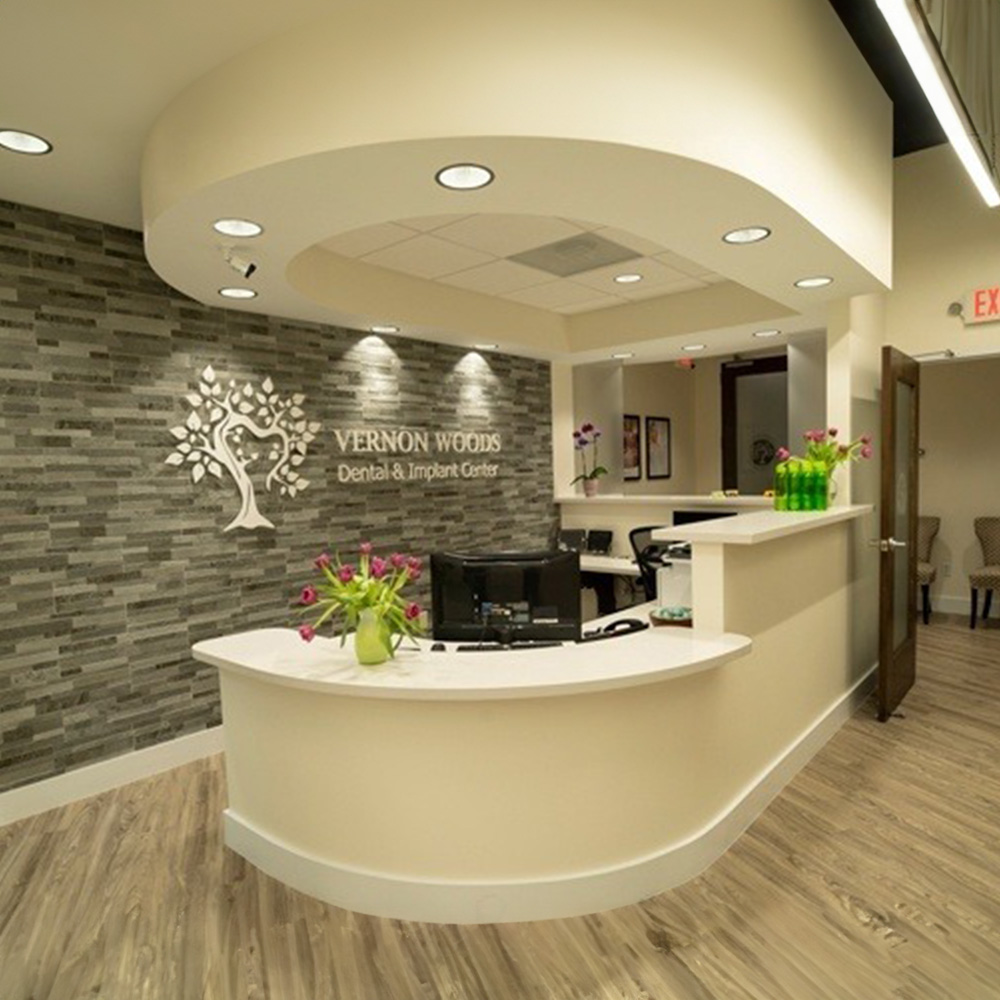
Ready to schedule your first visit and to join the Vernon Woods Dental & Implant Center family?
Scheduling your visit or getting answers to your questions is simple. The helpful team at Vernon Woods Dental & Implant Center is here to assist you! We can easily help you book appointments, explain treatment details, and address any concerns you have. Connect with us however you prefer—by phone or our quick online form. Don't delay your smile goals; contact us today and experience the comfort and confidence that personalized dental care provides.


Back to top
