
All-on-6® is a full-arch restorative solution that uses six dental implants to support a fixed prosthesis, replacing an entire upper or lower row of teeth. Unlike removable dentures that sit on the gums, an All-on-6® prosthesis is firmly anchored to implants that integrate with the jawbone, creating a stable foundation for chewing, speaking, and smiling. The result is a restoration that feels and functions much closer to natural teeth while eliminating the need for daily removal and adhesive products.
The technique emphasizes strategic implant placement and prosthetic design to distribute biting forces evenly across the jaw. By using six implants instead of fewer supports, clinicians can often provide a sturdier restoration that improves long-term durability and comfort. All-on-6® can be planned with digital tools such as 3D imaging to tailor implant positions to each patient’s unique anatomy, increasing predictability and safety.
For patients seeking a permanent, low-maintenance alternative to conventional dentures, All-on-6® offers a compelling balance of function and esthetics. It is important to understand that while the process aims to recreate a natural-feeling arch, success depends on careful planning, surgical skill, and commitment to oral health during the healing and maintenance phases.
All-on-6® is typically considered for adults who have lost most or all of the teeth in one arch, or those facing failing dentition that cannot be predictably preserved. Candidates may include people who find removable dentures uncomfortable or unstable, those who want a fixed long-term solution, and patients seeking improved chewing efficiency and speech. However, candidacy is evaluated individually rather than assumed.
A thorough clinical assessment is the starting point. This usually includes a comprehensive oral exam, medical and dental history review, and imaging such as cone beam computed tomography (CBCT) to assess bone volume and anatomy. These diagnostic steps help the dental team determine whether six implants can be placed in favorable positions without compromising vital structures.
General health factors are also considered because they can influence healing and implant integration. Conditions that affect bone metabolism or immune response, certain medications, and lifestyle factors like tobacco use are all taken into account. When appropriate, the treatment plan may be modified or additional preparatory procedures recommended to optimize the long-term outcome.
Treatment begins with individualized planning: digital scans, radiographic imaging, and a prosthetic design session establish the desired tooth shape, bite, and esthetics. Guided surgical planning helps the team visualize implant positions and anticipate the restorative outcome before any incisions are made. This planning phase is essential for efficiency and predictable results.
On the day of implant placement, the surgical team positions six implants in each treated arch according to the preoperative plan. In many cases, a temporary prosthesis can be attached that same day or shortly thereafter, allowing patients to leave with functional replacement teeth while the implants integrate with bone. This immediate provisional phase restores appearance and basic function while protecting the implants as healing progresses.
Osseointegration — the biological process by which bone bonds to the surface of implants — usually takes a few months. During this time, patients follow a staged progression from softer foods to normal chewing, guided by the clinical team. Once integration is confirmed, the temporary prosthesis is replaced with a custom-fitted final restoration crafted for long-term comfort, esthetics, and function.
One of the primary advantages of All-on-6® is stability. The six implants provide broad support for the prosthesis, reducing movement and enhancing confidence when eating, speaking, and smiling. Many patients report improved comfort compared with removable options because the restoration becomes part of the mouth’s functional system rather than a foreign piece that shifts on the gums.
Another benefit is the improvement in chewing efficiency. A fixed prosthesis supported by implants allows patients to eat a wider range of foods more comfortably, which can positively affect nutrition and quality of life. Additionally, implant-supported teeth help preserve the jawbone by transmitting functional forces into the bone, which can slow the bone shrinkage that commonly follows tooth loss.
From an esthetic standpoint, All-on-6® prostheses are designed to restore a natural-looking smile. Prosthetic materials and individualized tooth arrangement are selected to match facial features and personal preferences. Beyond looks and function, many patients appreciate the simplified daily routine: the prosthesis is cared for with normal oral hygiene practices rather than nightly removal and soaking.
Maintaining the health of the tissues around implants is essential for long-term success. Routine home care — brushing twice daily with a soft toothbrush, cleaning under and around the prosthesis as instructed, and using interdental cleaners where recommended — helps minimize plaque buildup and inflammation. The dental team will provide specific guidance tailored to each prosthesis design.
Regular professional follow-up is equally important. Periodic clinical exams and radiographic checks allow clinicians to monitor bone levels, soft tissue health, and the fit of the prosthesis. When necessary, adjustments to the prosthesis or hygiene protocol can be made to address wear, minor damage, or changes in oral health before they become more serious.
Lifestyle and general health also influence outcomes. Smoking, uncontrolled systemic conditions, and poor oral hygiene can raise the risk of complications. Conversely, patients who commit to recommended maintenance and follow-up care give their restorations the best chance for reliable, long-term function and appearance.
Deciding whether All-on-6® is the right approach begins with a thoughtful consultation and diagnostic workup. Our team will review your oral health goals, medical history, and imaging findings to present options that align with your needs. Treatment recommendations are based on clinical evidence and designed to balance functionality, esthetics, and long-term predictability.
If you live near Sandy Springs, GA, or are seeking care in the area, Vernon Woods Dental & Implant Center offers comprehensive implant planning and restorative services performed with modern diagnostic tools and a patient-centered approach. We prioritize clear communication so you understand the sequence of care, expected healing phases, and responsibilities involved in maintaining your new teeth.
To learn more about All-on-6® and whether it may be appropriate for you, please contact us for more information. Our team can explain next steps and help you schedule a consultation to explore personalized treatment options.


All-on-6® is a full-arch restorative approach that uses six dental implants to anchor a fixed prosthesis, replacing an entire upper or lower row of teeth. Unlike removable dentures that rest on the gums, this fixed restoration is secured to implants that integrate with the jawbone, offering greater stability for chewing, speaking and daily function. The implant-supported design also reduces or eliminates the need for adhesives and nightly removal routines.
The use of six implants can provide broader force distribution across the arch, which often enhances long-term durability and comfort compared with solutions that rely on fewer implants. Treatment planning commonly includes digital tools such as 3D imaging to position implants according to each patient’s anatomy, improving predictability. The result is a permanent-feeling restoration that aims to closely mimic the look and function of natural teeth.
Candidacy for All-on-6® is determined on an individual basis, typically for adults who have lost most or all teeth in an arch or who have dentition that cannot be predictably preserved. Patients who find removable dentures uncomfortable or unstable, or who want a fixed long-term solution, often consider implant-supported full-arch options. General health, bone volume and lifestyle factors are taken into account during evaluation.
Evaluation begins with a comprehensive oral exam, review of medical and dental history, and imaging such as cone beam computed tomography (CBCT) to assess bone anatomy and vital structures. Certain medical conditions or medications that affect bone healing may require modification of the treatment plan or preparatory procedures like bone grafting. The clinical team will discuss alternatives and recommend the most appropriate path based on diagnostic findings and treatment goals.
Planning an All-on-6® reconstruction relies on detailed diagnostics to map bone anatomy, nerve locations and sinus position when applicable. Digital intraoral scans and CBCT imaging are commonly used to create a three-dimensional view of the jaw, which supports guided implant placement and prosthetic design. These tools improve surgical accuracy and help the team predict restorative outcomes before surgery.
In addition to imaging, a thorough clinical examination and a review of medical history are essential to identify factors that can affect healing and implant integration. The prosthetic planning phase establishes tooth shape, bite relationships and esthetic goals, which inform implant positions and angulation. When necessary, the team will recommend preparatory procedures to optimize the site for implant placement.
On the day of surgery, six implants are placed in the prepared arch according to the preoperative plan, often using guided surgical templates derived from the planning images. Many clinicians are able to attach a temporary prosthesis the same day or shortly thereafter, allowing patients to leave with functional replacement teeth while implants begin to integrate. The immediate provisional restores appearance and basic function and is designed to protect the implants as healing progresses.
During the initial weeks, patients typically follow a staged diet and oral hygiene protocol to support healing and minimize stress on the implants. Clinical follow-up visits monitor soft tissue response and the stability of the provisional prosthesis. Once osseointegration is confirmed, the temporary prosthesis is replaced with a custom-fitted final restoration built for long-term function and esthetics.
Osseointegration, the biological process by which bone bonds to implant surfaces, usually takes a few months but can vary depending on individual health and bone quality. During this period patients will transition gradually from softer foods to more normal chewing as directed by the clinical team to avoid overloading implants. Routine follow-up appointments help the team confirm integration and address any early issues.
Patients can expect some swelling, mild discomfort and temporary dietary restrictions during the first several days to weeks after surgery; these symptoms are managed with prescribed or recommended medications and postoperative instructions. Good oral hygiene, adherence to follow-up schedules and avoiding tobacco use support successful healing. The practice will provide a clear timeline for when the final prosthesis will be fabricated and delivered based on healing progress.
Final All-on-6® restorations can be crafted from a variety of biocompatible materials chosen for strength, esthetics and long-term wear resistance. Common options include acrylic hybrid bridges reinforced with titanium bars for strength, as well as full-contour zirconia prostheses that offer high durability and a more natural appearance. Material selection depends on patient preferences, esthetic goals and the clinical requirements of the case.
Prosthesis design also varies by the degree of retrievability needed, hygiene access and lip support requirements. The restorative team will discuss the trade-offs between different materials and designs, such as repairability versus fracture resistance, to reach a solution that balances function and appearance. Custom shading, tooth shape and arrangement are selected to harmonize with each patient’s facial features and smile goals.
Effective home care is essential to maintain healthy tissues around implants and prolong the life of the prosthesis. Patients should brush twice daily with a soft toothbrush and clean around and under the prosthesis using interdental brushes or floss designed for implant-supported restorations, following the team’s specific instructions. Proper technique and consistency help minimize plaque accumulation and inflammation.
In addition to daily cleaning, patients should avoid habits that place undue stress on the prosthesis, such as chewing very hard objects or using teeth as tools. The clinical team may recommend adjunctive rinses or specialized cleaning devices depending on prosthesis design. If patients notice looseness, persistent soreness or changes in how the prosthesis fits, they should contact the office promptly for evaluation.
Regular professional follow-up is a key component of long-term implant success and typically includes clinical exams and periodic radiographic assessments to monitor bone levels and soft tissue health. Appointments allow the dentist to evaluate prosthesis fit, detect early signs of wear or damage, and make necessary adjustments to occlusion or hygiene protocols. The frequency of visits will be individualized based on oral health status and risk factors.
Professional cleanings for implant-supported prostheses may use specialized instruments designed to protect implant surfaces while effectively removing biofilm. Your provider will review and reinforce home care techniques at maintenance visits and identify any need for repairs or component replacement before problems escalate. Consistent monitoring helps preserve both the implants and the surrounding tissues over time.
As with any surgical procedure, All-on-6® carries risks that include infection, delayed healing, nerve irritation and, in rare cases, implant failure. Peri-implantitis, an inflammatory condition affecting tissues around implants, can develop if plaque control is inadequate or if other risk factors are present. Early detection and intervention are important to manage complications and protect implant health.
Management strategies include improved hygiene measures, professional debridement, local or systemic therapies when indicated, and, in some cases, surgical treatment to address bone or soft tissue problems. Preoperative planning and careful surgical technique reduce many risks, while patient factors such as smoking cessation and control of systemic conditions help improve outcomes. The clinical team will explain potential complications and the steps taken to minimize and treat them if they arise.
Deciding if All-on-6® is appropriate starts with a consultation that includes a review of your medical and dental history, an oral exam and imaging to assess bone anatomy and soft tissue condition. Bring a list of current medications, a summary of relevant medical conditions and any recent dental records or imaging if available, as these details help the team evaluate candidacy and plan treatment. Be prepared to discuss your daily habits and goals for function and esthetics so the team can align recommendations with your expectations.
If you are located near Sandy Springs, GA, or prefer to work with a practice experienced in implant dentistry, the team at Vernon Woods Dental & Implant Center can provide a comprehensive implant evaluation using modern diagnostic tools. During the visit they will explain possible preparatory procedures, the expected treatment sequence and the recommended maintenance steps to support long-term success. A clear plan and open communication help you make an informed decision about full-arch tooth replacement.
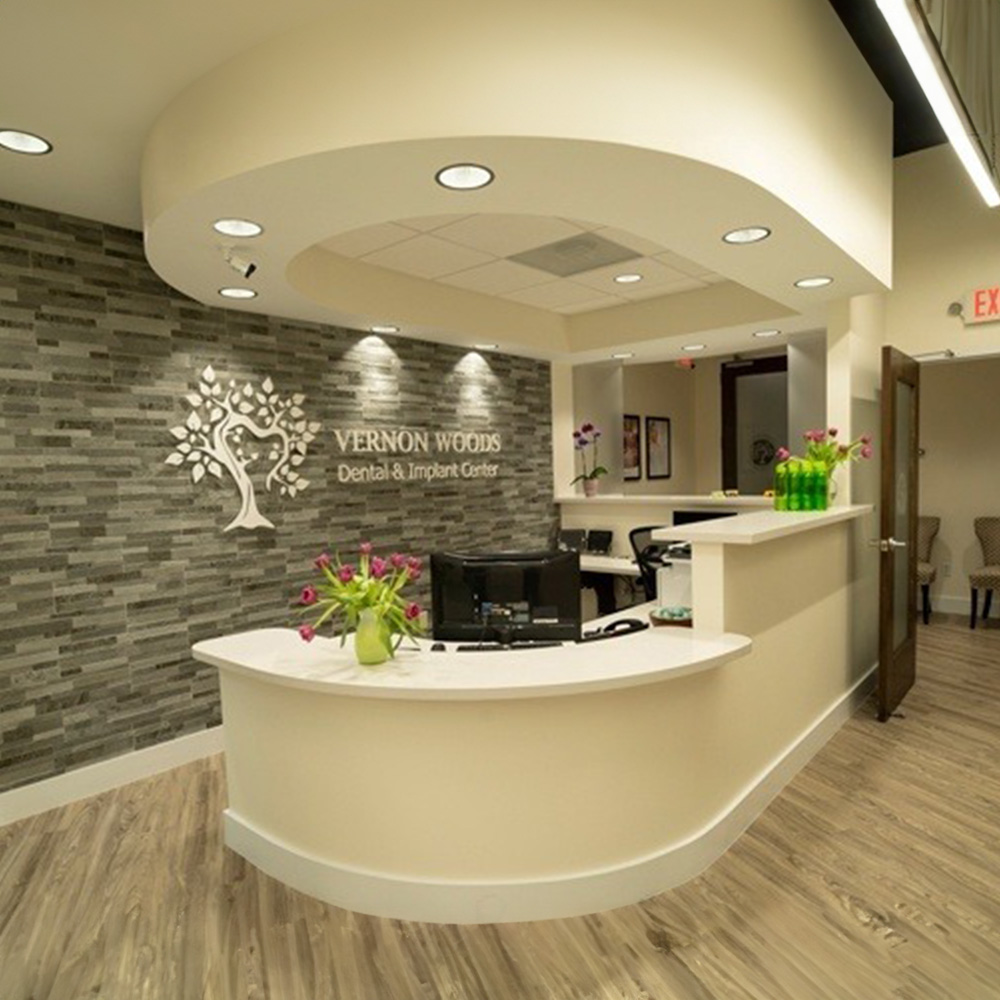
Ready to schedule your first visit and to join the Vernon Woods Dental & Implant Center family?
Scheduling your visit or getting answers to your questions is simple. The helpful team at Vernon Woods Dental & Implant Center is here to assist you! We can easily help you book appointments, explain treatment details, and address any concerns you have. Connect with us however you prefer—by phone or our quick online form. Don't delay your smile goals; contact us today and experience the comfort and confidence that personalized dental care provides.
Back to top
