
All-on-4® is a streamlined approach to replacing an entire upper or lower arch using just four dental implants to support a fixed prosthesis. Rather than addressing each missing tooth individually, this concept provides a stable foundation for a complete set of replacement teeth that feel and function much like natural teeth. For patients who have lost many teeth or who are facing full-arch extractions, All-on-4® creates a predictable path to a secure, long-term restoration.
At the heart of this treatment is careful planning. Digital imaging and clinical exams allow our team to evaluate bone volume, bite relationships, and esthetic goals so the prosthesis is designed to integrate with facial structure and speech. The result is a full-arch solution that restores chewing ability, supports facial contours, and improves overall oral health without requiring dozens of individual implants.
This method is well-suited to patients seeking a fixed alternative to removable dentures. Because the prosthesis is attached to implants, it eliminates many of the common concerns associated with traditional dentures — slipping, sore spots, and the need for adhesives. Patients can expect better stability for eating and speaking and a restoration that is maintained much like natural teeth.
When considering All-on-4®, it's important to work with a practice experienced in full-arch implant workflows. Our clinicians combine modern surgical protocols with prosthetic expertise to ensure each restoration meets functional and esthetic expectations while prioritizing patient comfort and safety.
The All-on-4® procedure typically begins with a comprehensive consultation and 3D imaging to map anatomy and plan implant placement. Two implants are positioned near the front of the jaw and two at strategic angles toward the back to maximize contact with available bone. This configuration often allows for a secure anchorage even when posterior bone volume is limited, reducing the need for extensive grafting in many cases.
One of the defining features of the All-on-4® concept is the ability to deliver immediate function. Following implant placement, a provisional full-arch prosthesis is attached the same day or shortly thereafter, so patients leave the appointment with a complete, functioning smile. This temporary bridge protects the surgical sites while allowing the patient to eat and speak with confidence during the healing phase.
Over the following months, the implants osseointegrate — they bond with the jawbone — creating a durable foundation for the final prosthesis. Once healing is sufficient, the provisional restoration is replaced with a customized, definitive arch crafted for long-term wear. That final prosthesis is shaped and shaded to match the patient's esthetic goals and to restore natural function.
Throughout the process, careful communication between the surgical and prosthetic teams ensures transitions are smooth and predictable. Patients receive clear instructions for post-operative care and interim limitations so healing proceeds without complications and the final outcome meets expectations.
All-on-4® is appropriate for many adults who have multiple failing teeth, full-arch tooth loss, or who are planning to have an entire arch extracted. Good candidacy depends on a combination of general health, oral health, and specific anatomic factors such as bone quality. During a consultation, our team evaluates medical history, oral conditions, and lifestyle factors to determine the safest and most effective treatment pathway.
Advanced imaging gives our clinicians a detailed view of the jawbone, sinus anatomy, and nerve positions so we can plan implant placement with precision. If bone volume is sufficient for the angled posterior implants, the need for grafting may be reduced or avoided. When grafts are necessary, we discuss the options and sequence treatments so patients understand the timeline and clinical rationale.
We also consider functional concerns — occlusion (how teeth come together), parafunctional habits, and expectations for chewing and esthetics. Patients with uncontrolled systemic conditions or habits that could compromise healing are managed in collaboration with their primary care providers so risks are mitigated. In many cases, modifications to treatment sequencing or additional preparatory care allow otherwise complex cases to proceed successfully.
Every plan is individualized. Our goal is to present clear, evidence-based recommendations and to answer questions about alternatives so patients can choose the solution that best fits their health, goals, and daily life.
While restoring a confident smile is an important outcome, All-on-4® delivers advantages that extend into daily function and oral health. A fixed implant-supported prosthesis restores reliable biting force, enabling patients to enjoy a wider variety of foods than with many removable options. This improvement in masticatory efficiency supports better nutrition and overall quality of life.
Implants also help preserve the underlying jawbone. When tooth roots are absent, bone gradually resorbs; implant fixtures stimulate the bone in a manner similar to natural roots, helping maintain facial structure and preventing the facial collapse that can occur with long-term denture wear. Maintaining bone volume has both functional and esthetic benefits over the long term.
Comfort and hygiene are other notable gains. A securely anchored prosthesis reduces sore spots and instability associated with dentures, and because the appliance is fixed, daily maintenance focuses on cleaning around implant components and the prosthesis rather than removing and soaking into solutions. Our team guides patients through effective hygiene routines to protect both gum health and implant longevity.
Finally, modern materials and digital design allow prostheses to be highly aesthetic and durable. With appropriate care and routine follow-up, implant-supported arches can provide many years of reliable service, making them a dependable option for patients aiming for long-term improvement.
Initial recovery from All-on-4® surgery is typically manageable. Patients should expect some swelling, mild discomfort, and dietary adjustments in the first week or two; these are normal parts of healing and are addressed with standard post-operative guidance. Because a provisional prosthesis is in place, patients maintain a natural appearance and functional ability during this period, though diet may be limited to softer textures while tissues recover.
Follow-up visits are a critical part of the process. We schedule appointments to monitor healing, assess soft tissue response, and make any necessary adjustments to the provisional restoration. Once the implants have fully integrated, the transition to the final prosthesis involves careful fitting and occlusal refinement so the restoration performs comfortably over time.
Long-term success depends on routine professional care and consistent home hygiene. Regular checkups allow the team to evaluate implant health, prosthesis fit, and surrounding gum tissue. Professional cleanings and periodic maintenance of the prosthesis help prevent complications and extend service life. We also provide personalized instructions for at-home routines that protect implants and preserve oral health.
With attentive follow-up and good oral hygiene, patients can expect durable function and a restored quality of life. Our team remains available to answer questions, address concerns, and support each patient through every stage of treatment and beyond.
At Vernon Woods Dental & Implant Center, we focus on delivering predictable, patient-centered implant solutions that emphasize both form and function. If you would like to learn whether All-on-4® is the right approach for your situation, please contact us for more information and to schedule a consultation.
1All-on-4 is a registered trademark of Nobel Biocare


All-on-4® is a full-arch tooth replacement solution that uses four dental implants to support a fixed prosthesis for an entire upper or lower arch. The design places two implants near the front of the jaw and two angled implants toward the back to maximize contact with available bone and provide stable support. This approach delivers a predictable foundation that restores chewing function and facial contours without placing an implant at every missing tooth site.
Careful digital planning and clinical evaluation guide implant placement and prosthesis design so the final restoration integrates with the patient’s bite and esthetic goals. After implant placement patients often receive a provisional bridge for immediate function while the implants osseointegrate with the jawbone. Once healing is complete the provisional is replaced by a custom final prosthesis shaped and shaded to match the patient’s expectations.
The All-on-4® concept differs from traditional implant therapies primarily in its streamlined use of four implants to support a full-arch prosthesis rather than placing individual implants for every missing tooth. Angled posterior implants often allow clinicians to engage denser anterior bone and avoid complex grafting, which can shorten the overall treatment sequence for many patients. This configuration also supports immediate provisionalization so patients can leave with a functioning smile on the day of surgery or shortly thereafter.
Traditional protocols sometimes use more implants and staged grafting when posterior bone is insufficient, which can extend healing and treatment time. All-on-4® combines surgical and prosthetic planning to provide both predictable function and reliable esthetics with fewer surgical sites. The treatment still requires careful case selection and prosthetic expertise to achieve long-term success.
Good candidates for All-on-4® are adults with multiple failing teeth, extensive tooth loss across an arch, or those planning full-arch extractions who prefer a fixed alternative to removable dentures. Candidacy depends on overall health, oral health, bone quality, and realistic expectations about function and maintenance. Patients with uncontrolled systemic conditions or habits that compromise healing are evaluated and, when appropriate, managed in collaboration with their medical team.
Advanced imaging such as CBCT helps clinicians assess bone volume, sinus anatomy, and nerve positions to determine whether angled implants will provide adequate support without grafting. The treatment team also evaluates occlusion, parafunctional habits, and esthetic goals to design a personalized plan. When additional preparatory care is needed, the sequence and rationale are explained so patients understand the steps involved.
The consultation begins with a thorough review of medical and dental history, an intraoral exam, and digital imaging to create a comprehensive map of the jaws and surrounding anatomy. Clinicians discuss the patient’s goals for chewing function and appearance and review prosthetic options, implant positions, and the expected timeline for provisional and final restorations. This stage establishes realistic expectations and identifies any factors that may require modification of the treatment plan.
Using 3D imaging and digital workflows, the team simulates implant placement and designs the prosthesis to integrate with facial structure and speech. The practice outlines post-operative care, follow-up appointments, and hygiene protocols so patients know what to expect during healing and long-term maintenance. Informed consent and clear answers to patient questions are prioritized before scheduling any surgical steps.
Bone grafting is not always necessary with All-on-4® because the posterior implants are intentionally angled to engage available anterior bone and maximize existing support. Many patients who lack posterior bone volume can avoid extensive grafting due to this strategic implant placement, which reduces the need for additional surgical procedures. Nonetheless, grafting may be recommended when bone deficiency is severe or when specific esthetic or functional objectives require augmentation.
When grafting is required the team discusses the type of graft, the expected healing time, and how it affects the overall treatment sequence. Some cases can be staged so grafting and implant placement occur in different appointments to optimize outcomes. The decision to graft is individualized and based on imaging, clinical findings, and the patient’s long-term goals.
On the day of surgery patients can expect implant placement under local anesthesia with optional sedation based on the treatment plan and patient preference. A provisional full-arch prosthesis is often attached the same day or shortly afterward to provide immediate function and appearance while the implants begin to heal. Post-operative instructions cover wound care, pain management, and dietary modifications to protect surgical sites during the initial healing phase.
Mild swelling, discomfort, and temporary changes in diet are normal during the first week or two and are managed with standard guidance and medications as needed. Follow-up visits are scheduled to monitor healing and adjust the provisional restoration for comfort and function. Patients are advised to report any unusual pain, prolonged bleeding, or signs of infection so issues can be addressed promptly.
After implant placement the osseointegration period typically spans several months, during which the provisional prosthesis protects the surgical sites and allows the patient to eat and speak with confidence. Once the implants have achieved stable integration the team takes final impressions or digital scans to design a custom definitive prosthesis tailored for long-term wear. The transition to the final restoration includes careful fitting, shading, and occlusal refinement to ensure comfort and proper function.
During the interim period patients follow dietary guidelines and attend periodic evaluations so the provisional restoration can be adjusted as tissues heal. Good oral hygiene and adherence to follow-up appointments are essential to protect implant sites and surrounding gum tissue. The final prosthesis is fabricated from durable materials and supported by ongoing professional maintenance to maximize longevity.
Daily hygiene is vital for long-term success and includes brushing the prosthesis and cleaning beneath and around implant components using interdental brushes, floss designed for implants, or a water irrigator as recommended by your clinician. Routine home care reduces plaque accumulation and helps prevent peri-implant inflammation, which can compromise implant health if left unchecked. Patients should adopt a consistent cleaning routine and follow any specific instructions provided at the time of prosthesis delivery.
Professional maintenance visits are scheduled regularly to evaluate implant stability, soft tissue health, and prosthesis fit, and these appointments may include specialized cleaning around implant components. Timely care for wear or component issues helps prevent small problems from becoming larger complications. If you notice loosening, pain, or persistent redness around implants, contact your care team promptly for assessment.
As with any surgical procedure, All-on-4® carries risks such as infection, implant failure, prosthetic complications, and changes in sensation if nearby nerves are affected. Careful preoperative planning, adherence to sterile surgical protocols, and patient commitment to post-operative instructions reduce the likelihood of complications. Early detection through scheduled follow-ups allows the team to address concerns before they progress.
If complications arise the treatment team evaluates the cause and recommends appropriate interventions, which may include antibiotics, prosthetic adjustments, or in rare cases revision procedures. Long-term prevention focuses on good oral hygiene, smoking cessation when applicable, and prompt reporting of symptoms that suggest infection or mechanical issues. The goal is to manage risks proactively to preserve implant health and prosthesis function.
Select a provider with demonstrable experience in full-arch implant workflows, access to digital imaging such as CBCT, and an integrated surgical-prosthetic team that coordinates care from implant planning through final restoration. Ask about the clinician’s training and the practice’s approach to digital planning, provisionalization, and long-term maintenance so you understand how cases are managed from start to finish. Inquire about the materials used for provisional and final prostheses and how occlusion and esthetics are evaluated throughout treatment.
It is appropriate to request a clear explanation of the proposed sequence of care, anticipated healing timeline, and follow-up schedule so you can plan accordingly. Discuss lifestyle factors such as smoking or medical conditions that might affect outcomes and how the team addresses these risks. Vernon Woods Dental & Implant Center in Sandy Springs, GA performs comprehensive assessments and can walk you through the specifics of an All-on-4® plan during a consultation.
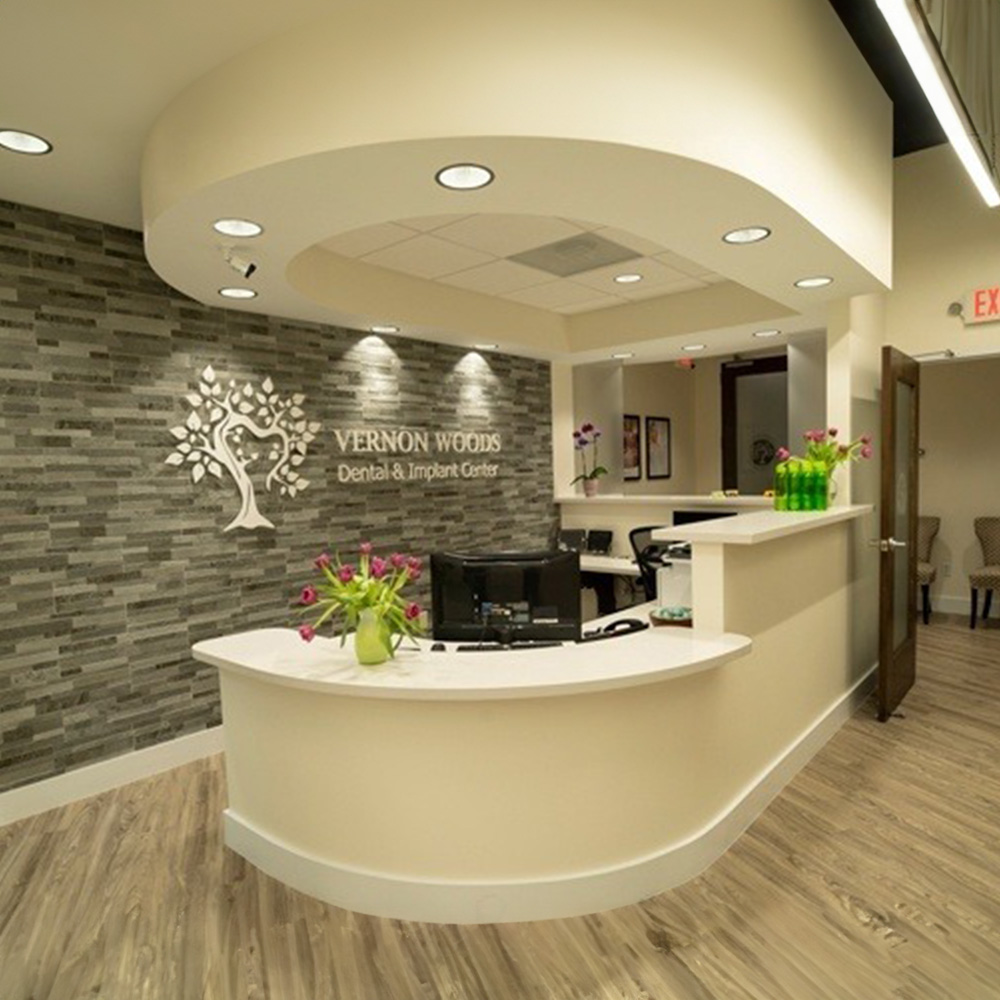
Ready to schedule your first visit and to join the Vernon Woods Dental & Implant Center family?
Scheduling your visit or getting answers to your questions is simple. The helpful team at Vernon Woods Dental & Implant Center is here to assist you! We can easily help you book appointments, explain treatment details, and address any concerns you have. Connect with us however you prefer—by phone or our quick online form. Don't delay your smile goals; contact us today and experience the comfort and confidence that personalized dental care provides.

Back to top
